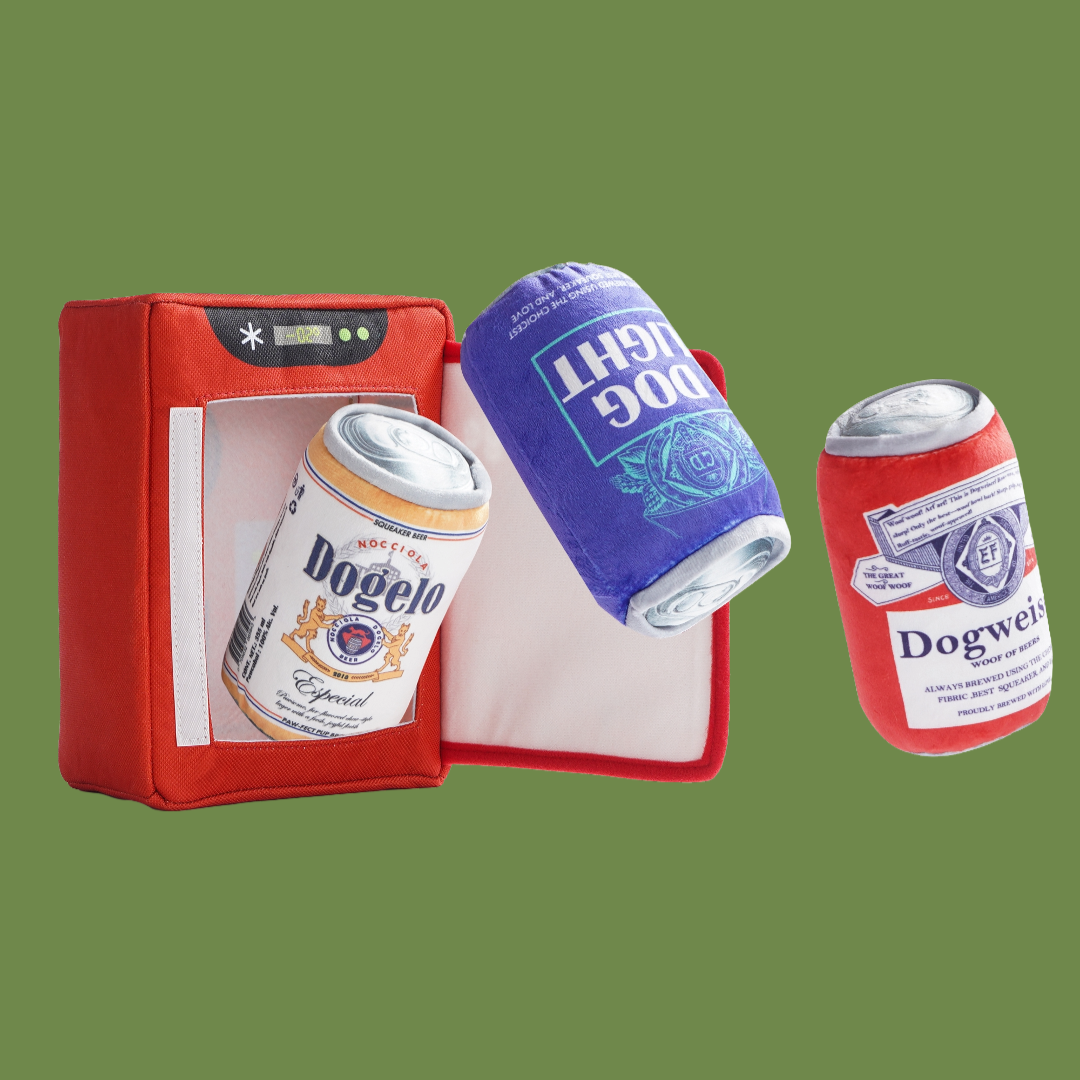
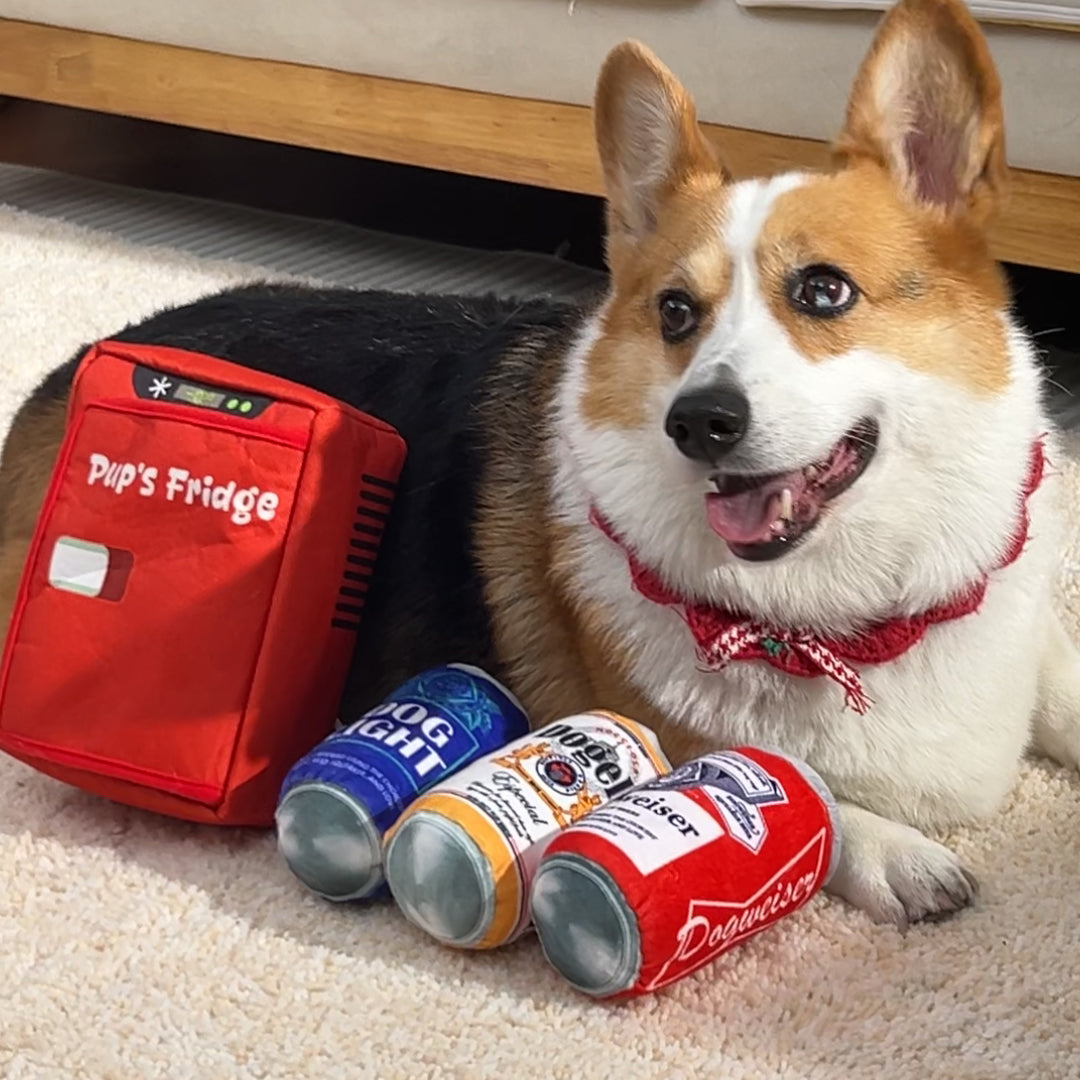
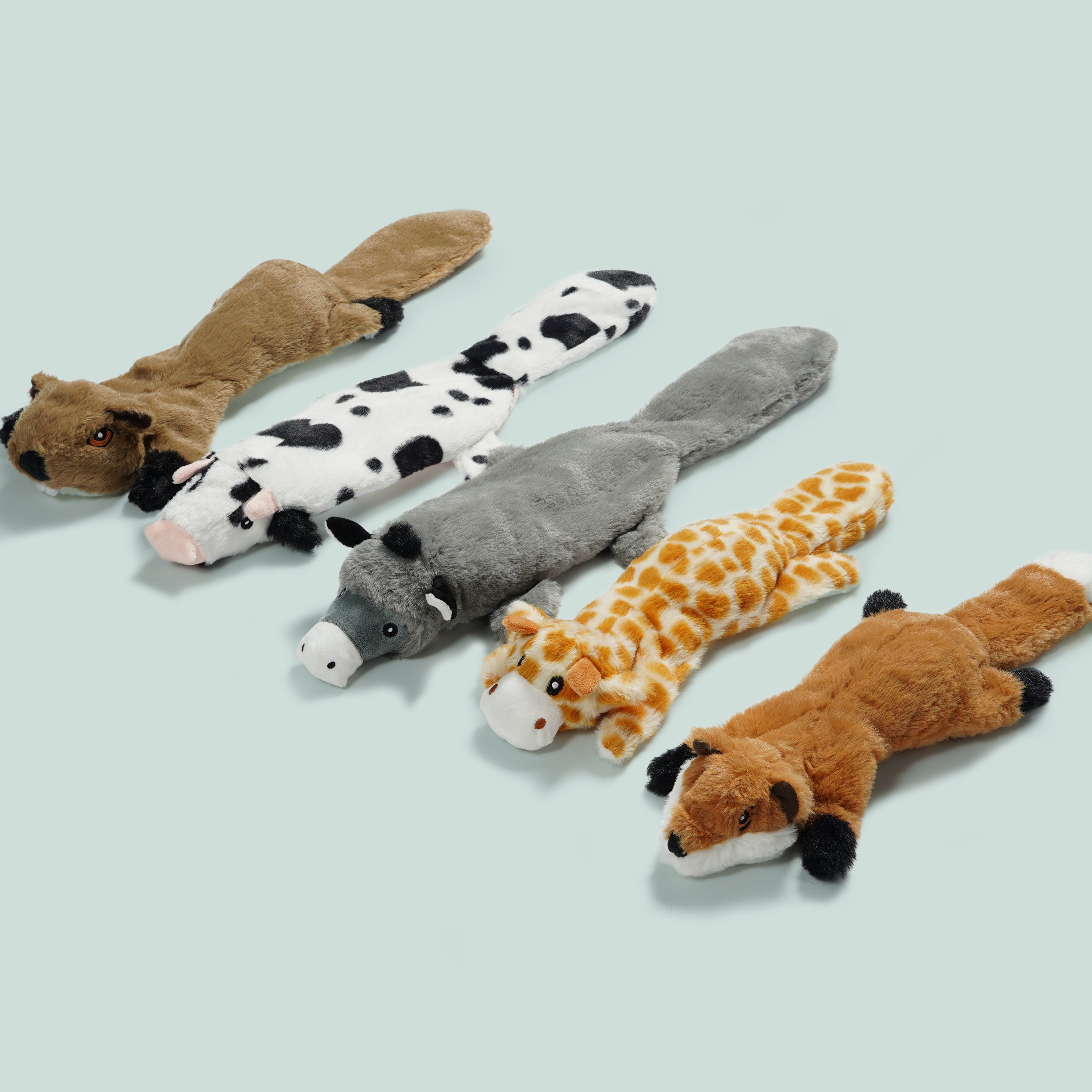
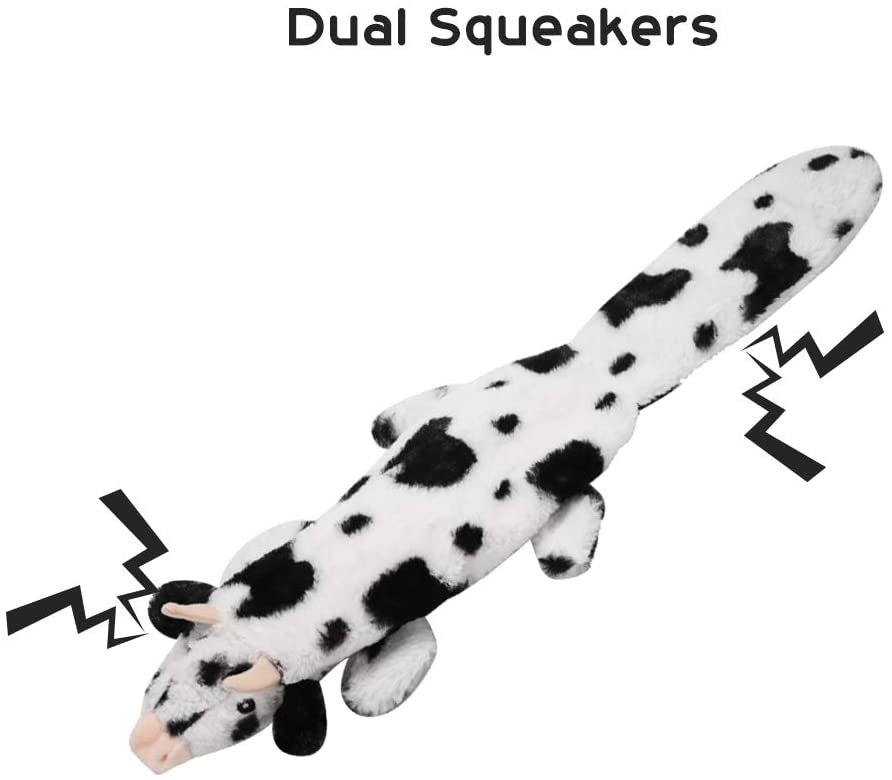
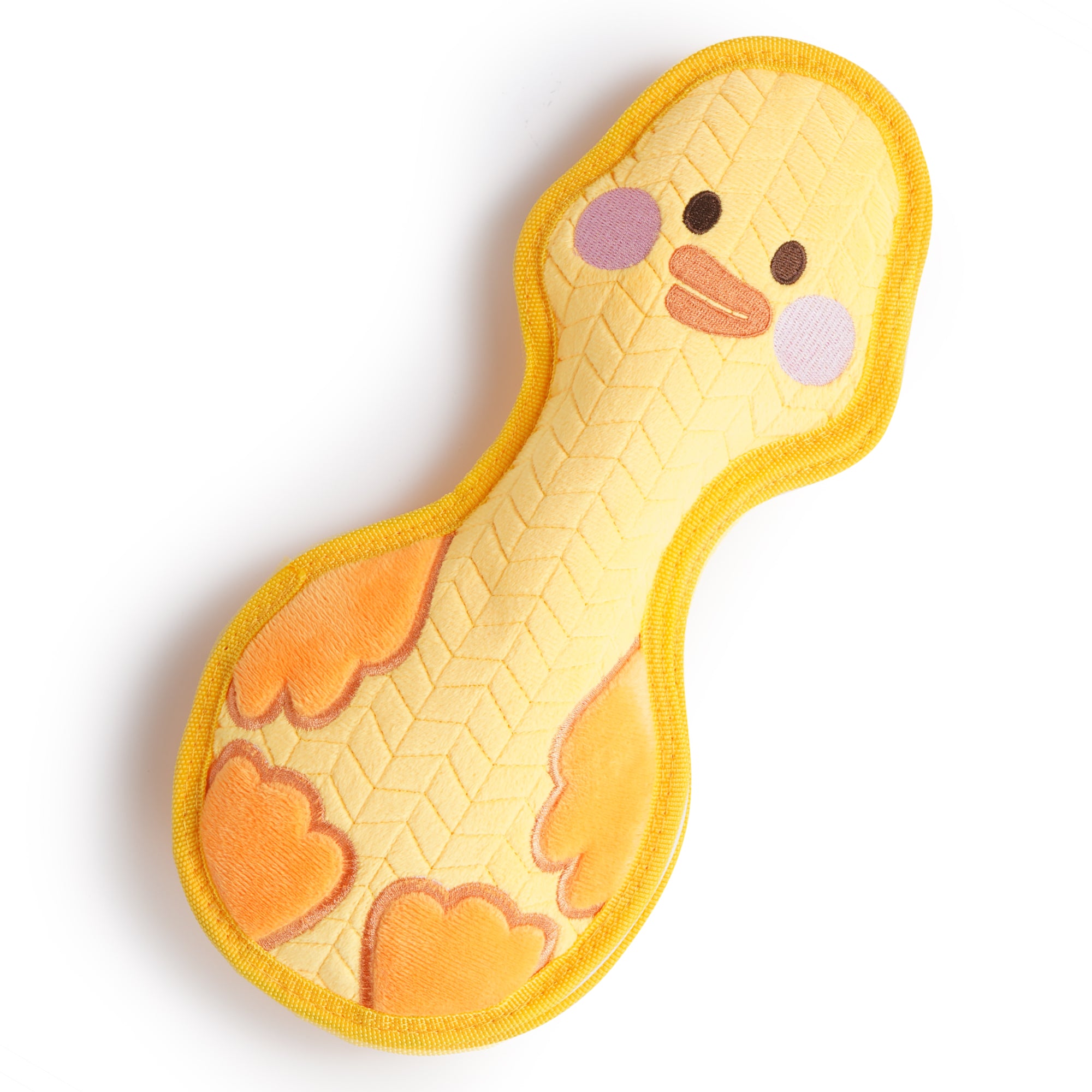
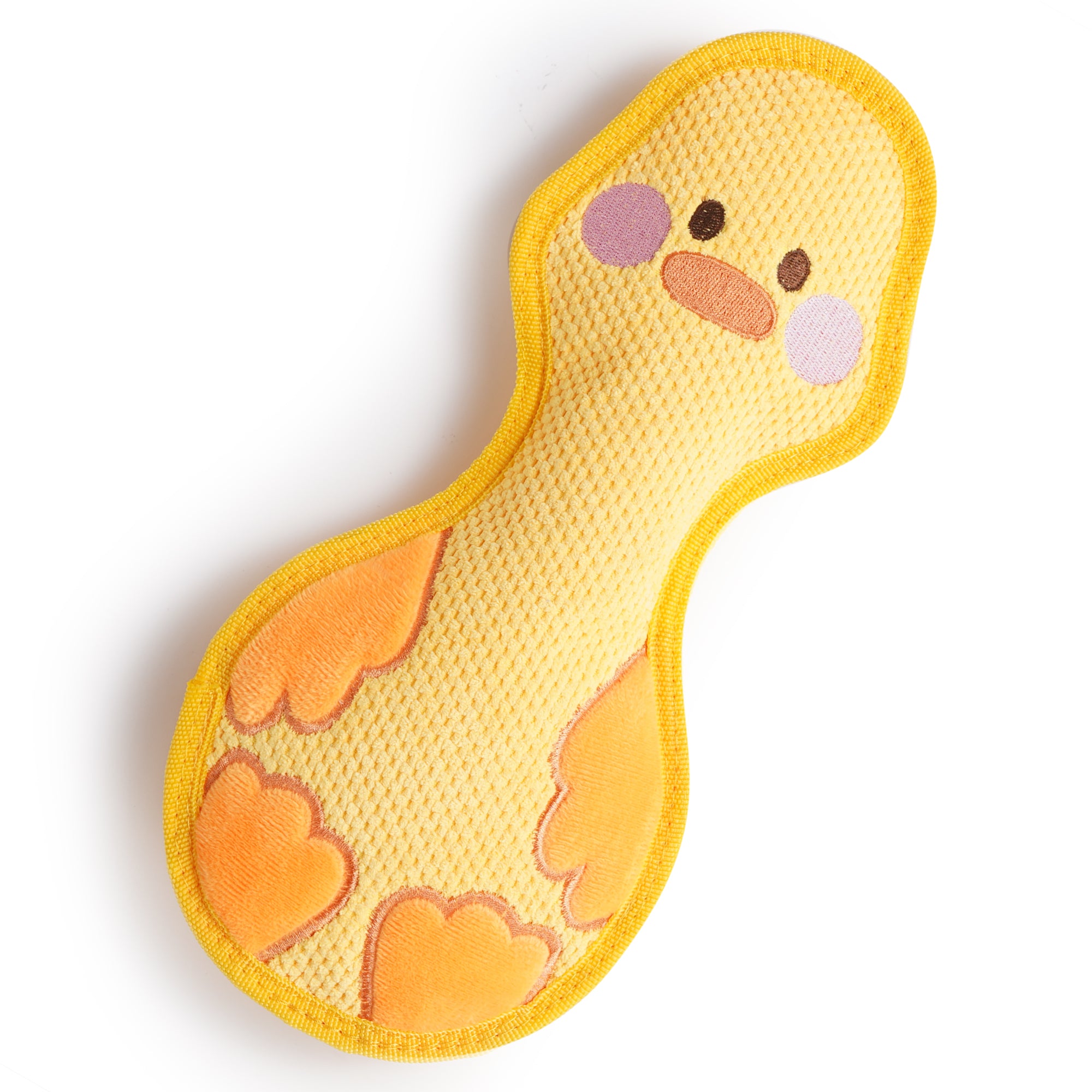
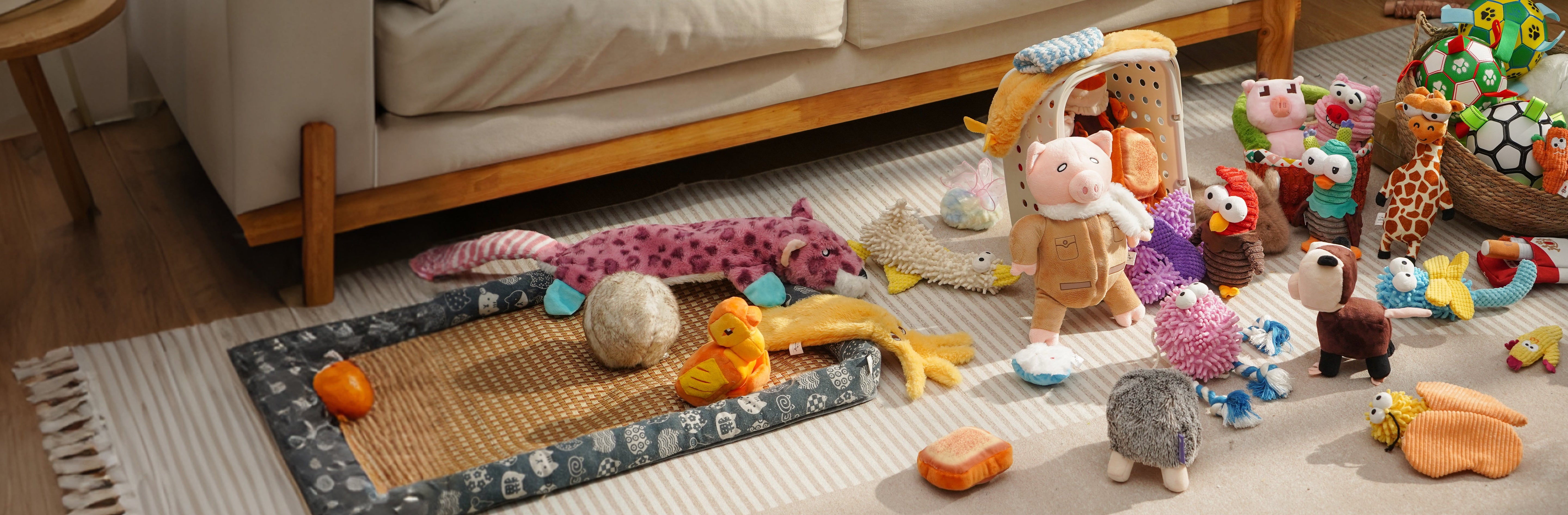
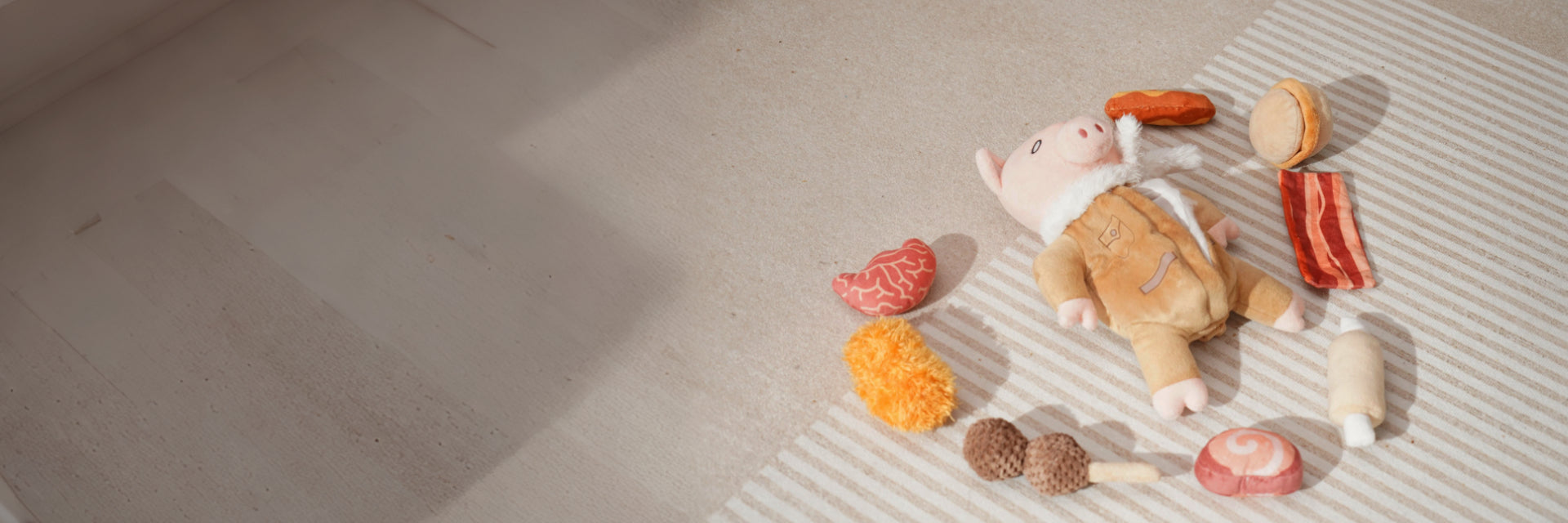
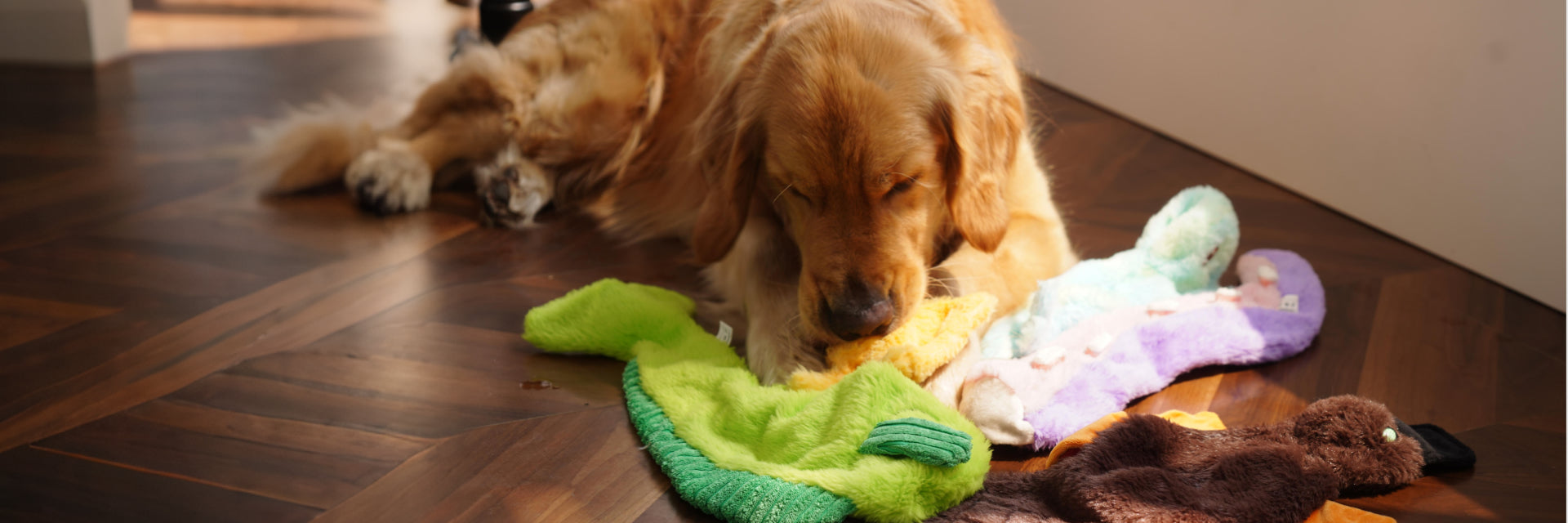
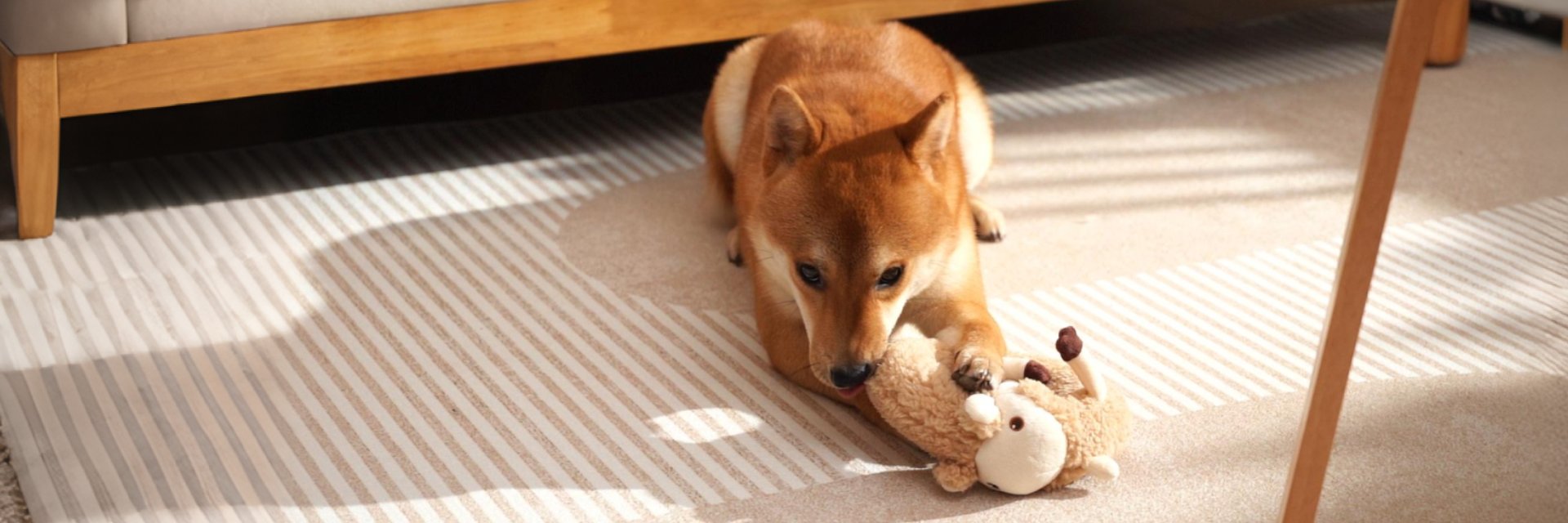
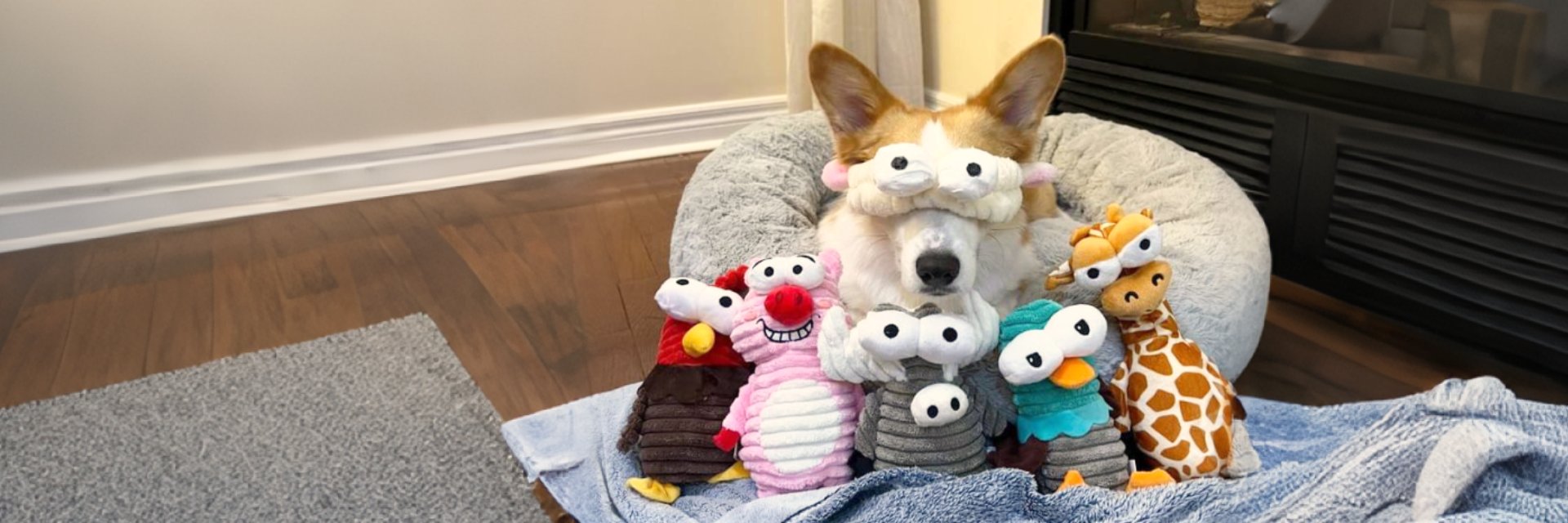
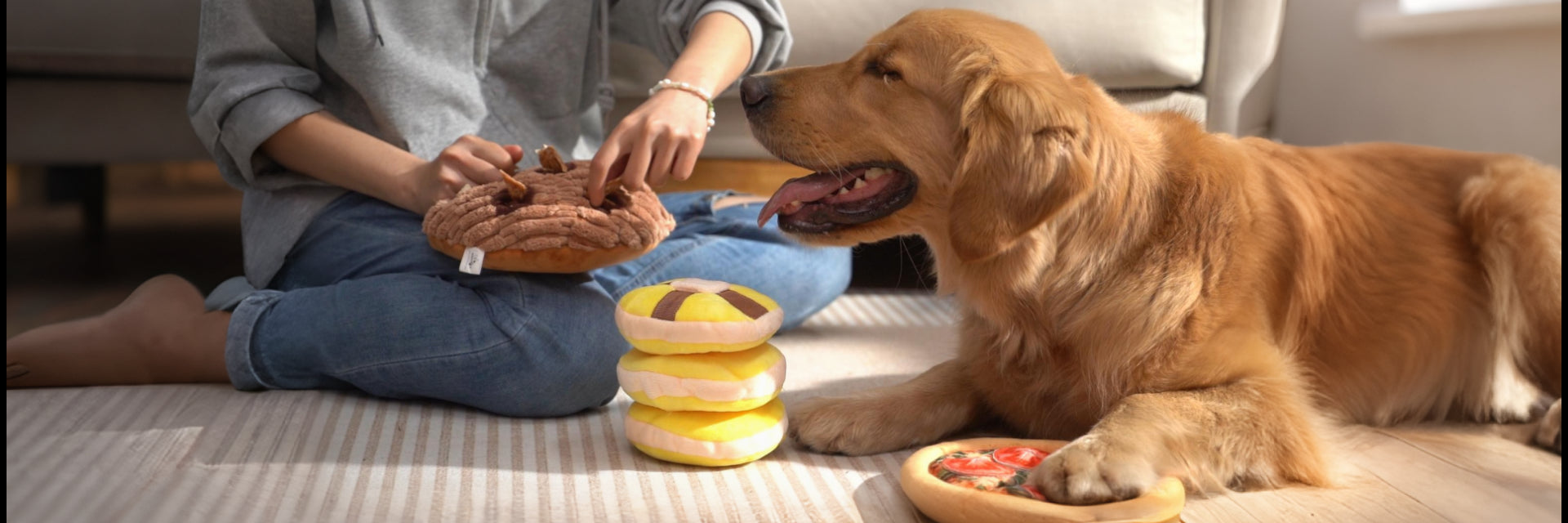
Many dog owners notice their pets excitedly greet a new toy, only to see it abandoned days—or even minutes—later. This behavior is rooted in canine psychology: dogs get bored with toys as the novelty fades and repeated exposure makes each toy less interesting. For lasting engagement, introducing a toy rotation system is one of the most effective strategies to revive excitement, boost mental stimulation, and ensure enrichment without needing to constantly buy more toys.
Why Do Dogs Get Bored With Toys?
Dogs quickly lose interest in toys due to a natural process called habituation. When a dog becomes fully familiar with a toy’s appearance, sound, feel, and scent, the toy no longer stimulates curiosity or excitement. Additional reasons boredom sets in include:
- Lack of variety: Dogs exposed to the same toys daily will find them increasingly predictable and dull.
- Overexposure: Unlimited access to every toy at once accelerates novelty loss.
- Low stimulation: Toys that do not engage a dog’s senses (sound, movement, texture) or match play style (tug, fetch, chew, hunt) often get ignored.
- Solo play overload: Many dogs need human interaction for maximum enjoyment. Toys become background objects if not paired with playtime together.
- Potential health issues: When a dog suddenly stops playing, discomfort from dental problems, arthritis, fatigue, or anxiety could be the true cause.
Definition: What Is Toy Rotation?
Toy rotation is the practice of keeping only a few toys available for your dog at one time, while the remaining toys are hidden and swapped in regularly. This approach enhances novelty every time a toy reappears, making old toys feel new and interesting again. A thoughtful rotation schedule greatly increases overall engagement and prevents playtime from becoming stale.
How to Set Up an Effective Toy Rotation System
Implementing toy rotation at home is straightforward and requires only a few simple steps:
- Sort toys by type: Group toys into categories (e.g., squeaky, plush, chew, tug, puzzle, fetch) for balanced rotation.
- Select 3-5 toys to leave out: Pick a small, diverse mix that covers different play styles and sensory experiences.
- Store the rest: Hide remaining toys in a bin, closet, or dedicated toy box. Out of sight, out of mind is critical for novelty.
- Swap toys every 2-7 days: Refresh your dog’s selection on a predictable schedule to maintain excitement. The exact interval can vary by your dog’s level of interest—some benefit from daily swaps, others from weekly ones.
Recommended Toy Mix for Rotation
- 1 chew toy (for self-soothing and solo play)
- 1 interactive toy (for fetch or tug with you)
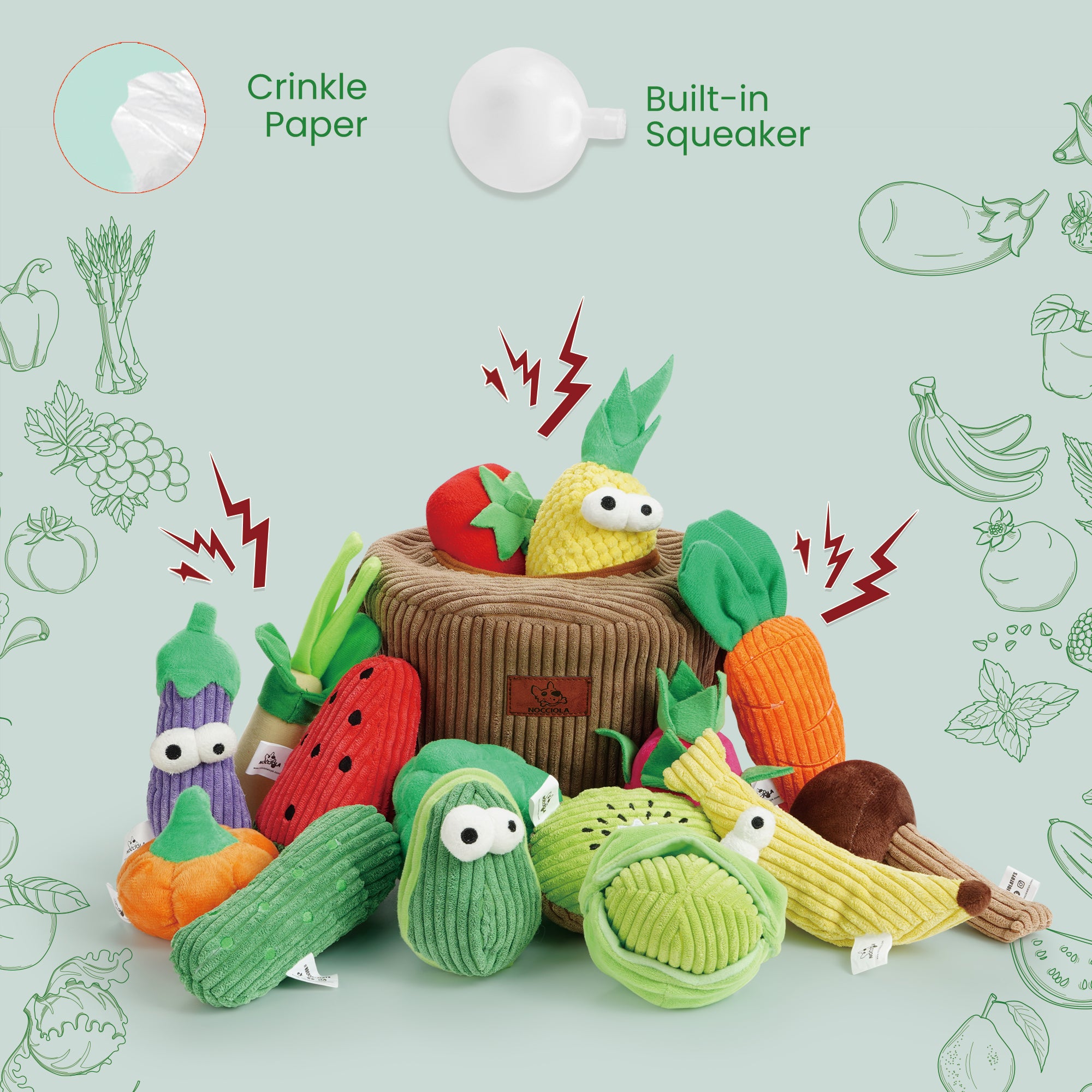
- 1 sensory toy (squeak, crinkle, or varied texture)
- 1 puzzle or treat toy (for problem-solving and enrichment)
This blend helps ensure toys do not feel redundant and allows observation of your dog’s true preferences.
Why Toy Rotation Works: The Science of Canine Boredom
Dogs are intrinsically drawn to novel experiences (“neophilic”), meaning newness excites and motivates them. When toys are rotated, their scent, feel, and play value are revitalized after a rest out of sight. This prevents "toy fatigue" and maximizes the return on each item you buy. In fact, only a handful of toys in rotation can bring more joy than a large pile left out constantly.
Signs Your Dog Needs a Better Toy Strategy
Not sure if it’s time for a toy rotation? Look for these patterns:
- Toys are only entertaining for a few minutes before being ignored
- Your dog hunts through the toy pile without settling on one
- Your dog only plays when you initiate engagement
- Toys are destroyed rapidly or lose all appeal after day one
- Household objects become more interesting than toys
How to Choose Toys for an Effective Rotation
Dogs respond best to toys with a mix of unique textures, movements, sounds, and purposes. For the most effective system, look for:
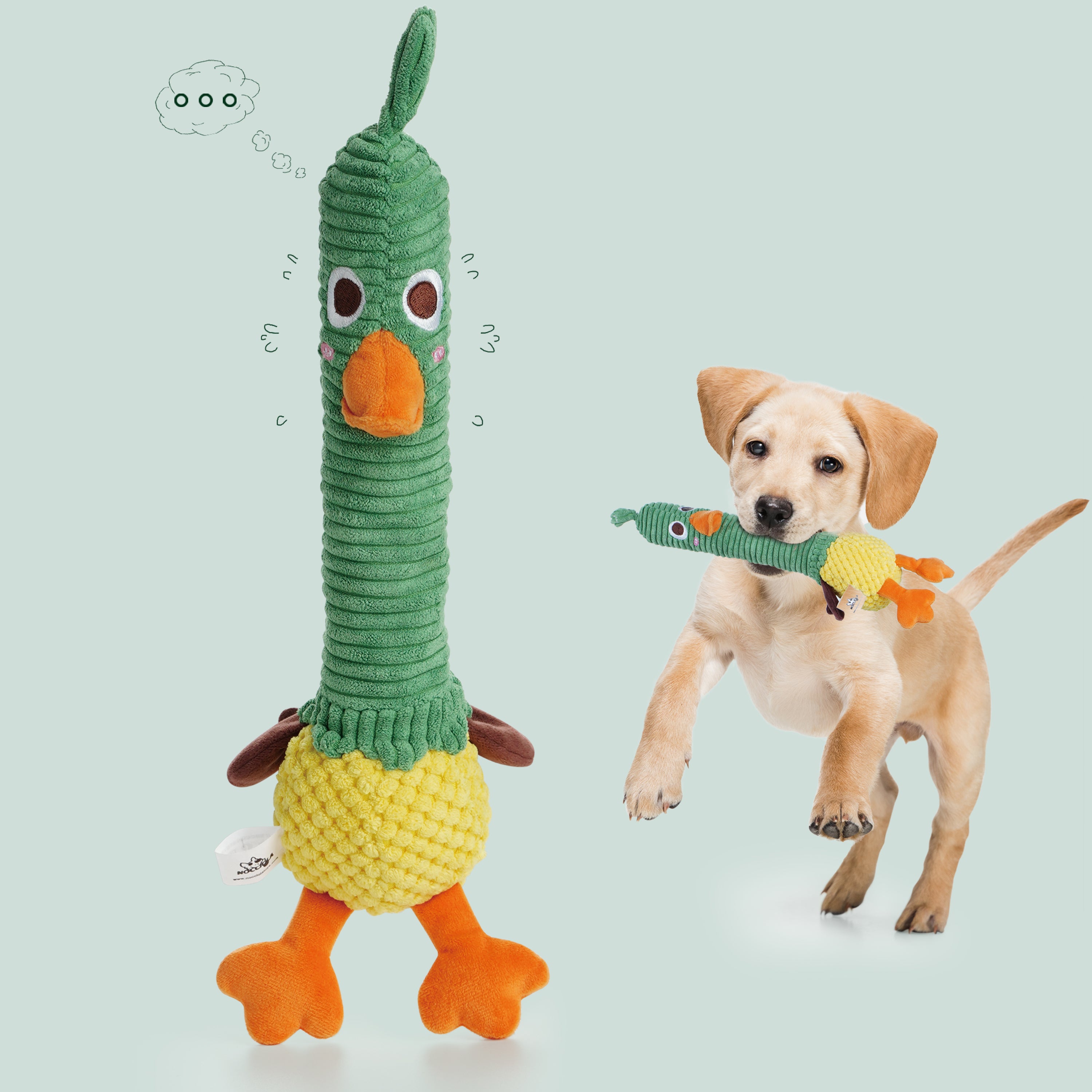
- Squeaky toys for audio stimulation
- Crinkle or textured toys for extra feedback
- Tug and fetch toys for interactive play
- Plush toys for comfort and gentle carrying
- Puzzle or treat-dispensing toys for mental challenge
If your dog is a strong chewer, prioritize size and durability. Learn more about choosing plush toys for chewers in our dedicated blog.
Toy Sizing and Sub-Brand Differentiation at Nocciola Toys
Nocciola Toys specializes in toys designed specifically for modern pet parents who treat their dog as family. Our collections, including sub-brands like Durabite (for tough chewers) and Fuzzwoof (interactive tech-infused plush), make it easy to create a balanced, engaging rotation. Size options are clearly labeled for small, medium, and large dogs, and our FAQ gives guidance on sizing up for stronger chewers or larger jaws.
A Sample 7-Day Toy Rotation Schedule
If you want to start your own rotation, try this one-week plan:
- Pick 4 toys: one chew, one squeak, one plush, and one puzzle/treat toy.
- Engage in at least one joint play session daily with your dog using the available toys.
- On day three, replace two of the toys with others from your stored stash.
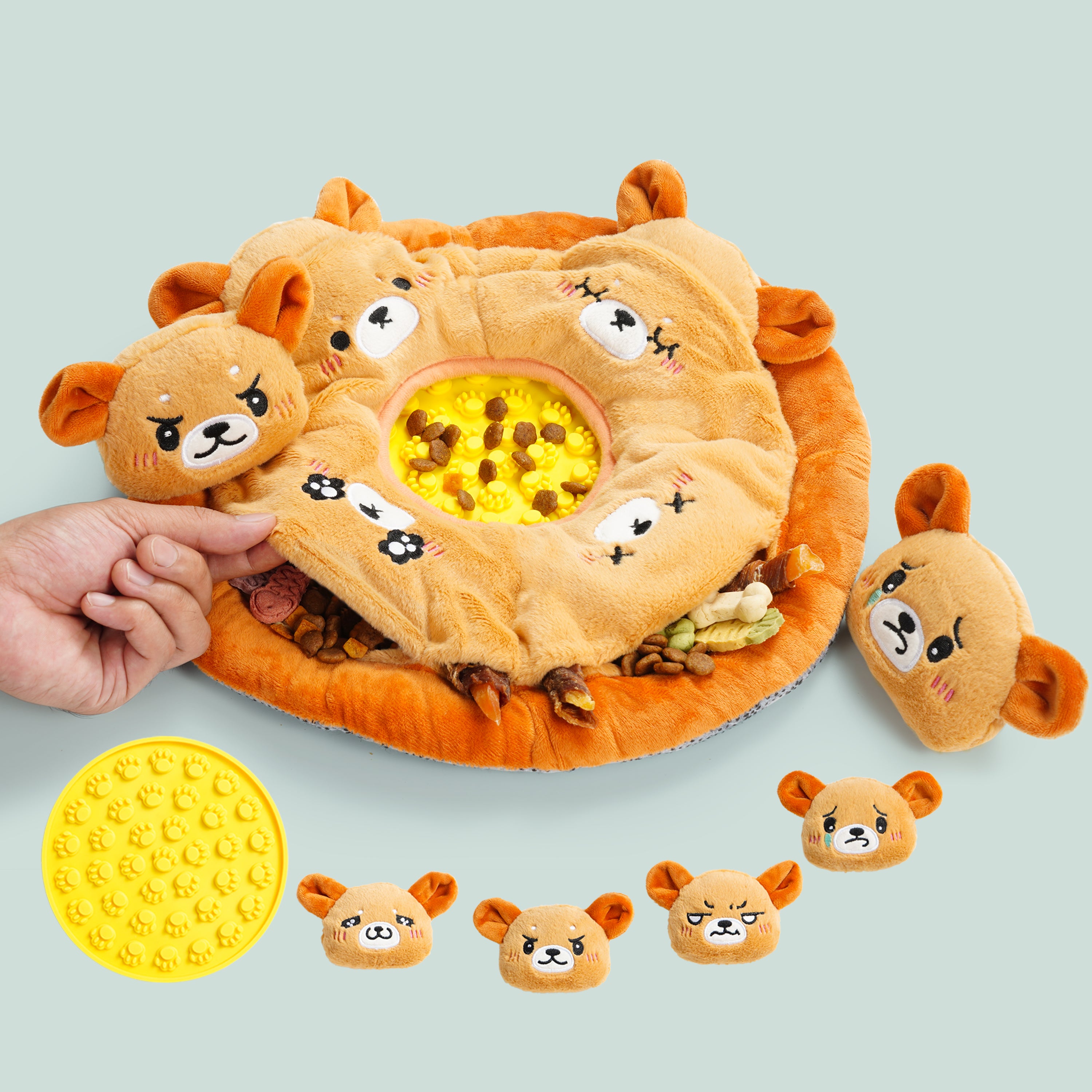
- On day four, introduce a food-related enrichment toy or hide treats in a plush containing pockets.
- Continue mixing and swapping, noting which toys elicit the most play.
This flexible approach lets you tune your rotation to keep pace with your dog’s interest and play style.
When Toy Boredom Signals Other Issues
If your dog abruptly ceases to play with toys or seems generally disinterested in play, consider a health check. Dental problems, joint pain, stress, or anxiety can all lower a dog’s desire for fun—even with a varied toy supply. A sudden change, especially with other symptoms, warrants consultation with a veterinarian.
Best Practices for Toy Rotation and Enrichment
- Observe your dog: Watch how your dog reacts to each toy. Repetition should be avoided for toys that consistently get ignored.
- Keep toys fresh: Regularly clean toys to maintain scent and hygiene, which also helps maintain interest.
- Leverage themed sets: Nocciola’s themed packs and sub-brands make category rotation simple, allowing for distinct experiences (such as puzzle-based play versus aggressive chewing).
- Pair with human interaction: Even with a perfect rotation, dogs crave playtime with their owners. Incorporate games like tug, fetch, or hide-and-seek with new toy introductions.
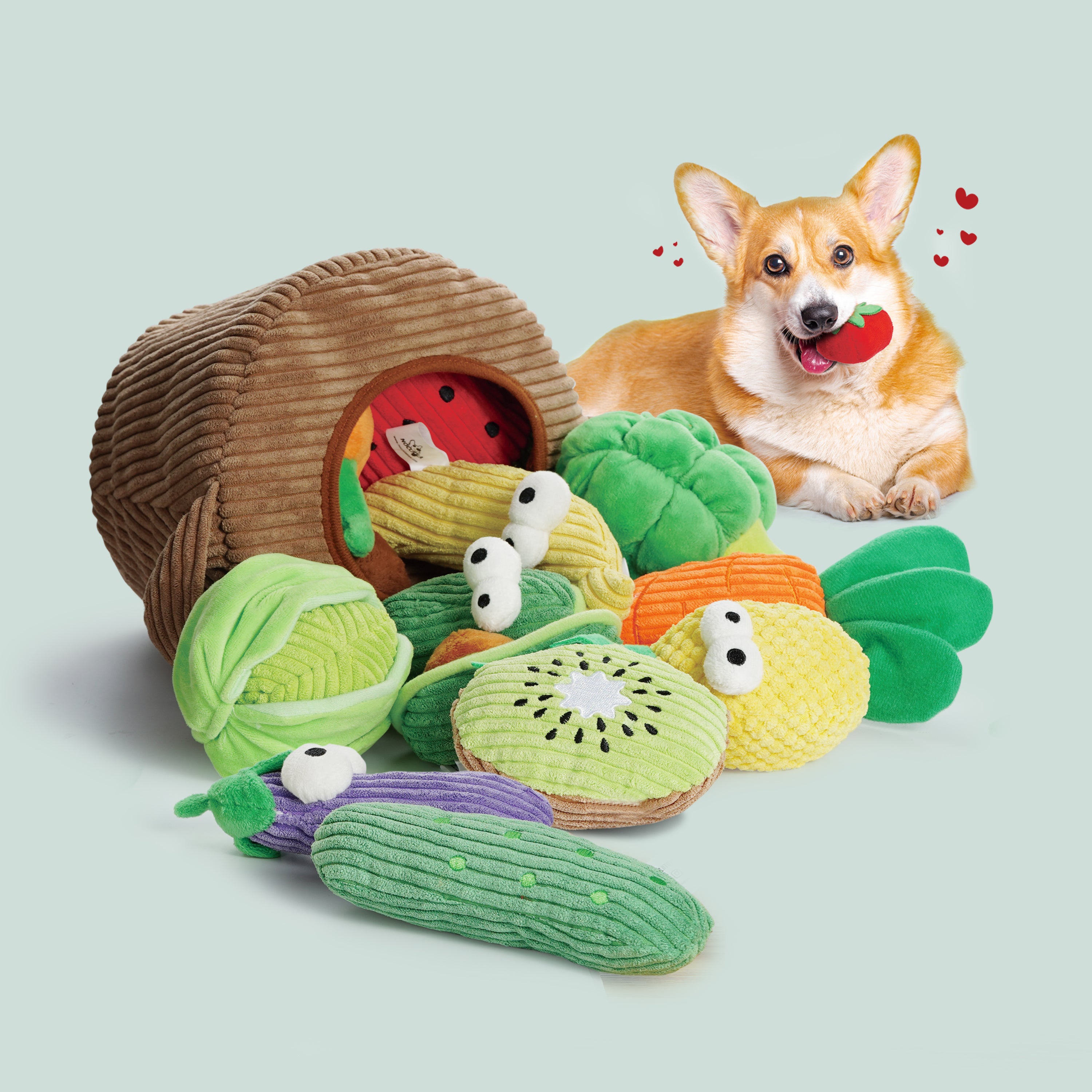
- Use enrichment puzzles: Toys such as the Pumpkin Puzzle Dog Toys offer layers of stimulation.

Including diverse and engaging toys, like the Nocciola Teeth Enrichment Puzzle Dog Toys, can help keep playtime dynamic and mentally stimulating.

Direct Insights: Rotating With Nocciola Toy Packs
Nocciola Toys’ curated sets, such as the 10 Pack Bread Dog Toys and the 10 PCS Seafood Boil Small Dog Toys, offer variety in texture, sound, and interactivity. These packs are suited to rotation strategies as they feature multiple play options to keep your dog guessing.

Frequently Asked Questions
Why does my dog ignore toys after a few days?
Dogs are naturally curious about new things. After repeated exposure, toys become part of the environment and no longer stimulate the brain. Regular rotation is essential to keep their interest.
How many toys should I rotate at a time?
Most dogs do best with 3-5 toys available, featuring at least one for each play style—chewing, tugging, fetching, sensory, and puzzle.
Can toy rotation help prevent destructive behavior?
Yes. Rotating toys can reduce destructive chewing or other unwanted behaviors by providing new, engaging outlets for your dog’s energy and natural instincts. Pairing rotation with enrichment-focused toys supports positive play.
What if my dog does not play with toys at all?
If your dog ignores all toys, consider health checks for dental, joint, or anxiety issues. If cleared, experiment with a wider variety of toys and add human interaction during playtime to see what motivates them.
Are Nocciola Toys a good fit for toy rotation?
Yes. Nocciola Toys’ broad range, including plush, tough, interactive, and puzzle-based products, is specifically designed for enrichment and suits a rotation approach perfectly. Varied textures, themes, and play styles make it easy to build an engaging toy cycle.
How do I know which toys my dog really likes?
Keep a simple log or take note of which toys consistently get carried, chewed, or prompted for play. Over time, you’ll learn your dog’s preferences and can refine your rotation for maximum engagement.
Conclusion
Dogs thrive on novelty, variety, and engaging challenges. If your pet seems bored with toys, the solution often lies in not buying more, but making smarter use of what you already have through effective rotation. By observing play patterns and slowly introducing diverse categories of toys, you’ll keep your dog mentally sharp and physically active—most importantly, you’ll deepen your bond along the way. For more ideas on enrichment and engaging routines, see our posts on building routines for engagement and interactive dog puzzle toys.
If you want to explore playful, enrichment-first dog toys with unique textures, humor, and thoughtful details, browse the evolving selection at Nocciola Toys. Our team puts dog happiness and safe, engaging play at the center of every design, so you can build the perfect rotation for your furry family member.