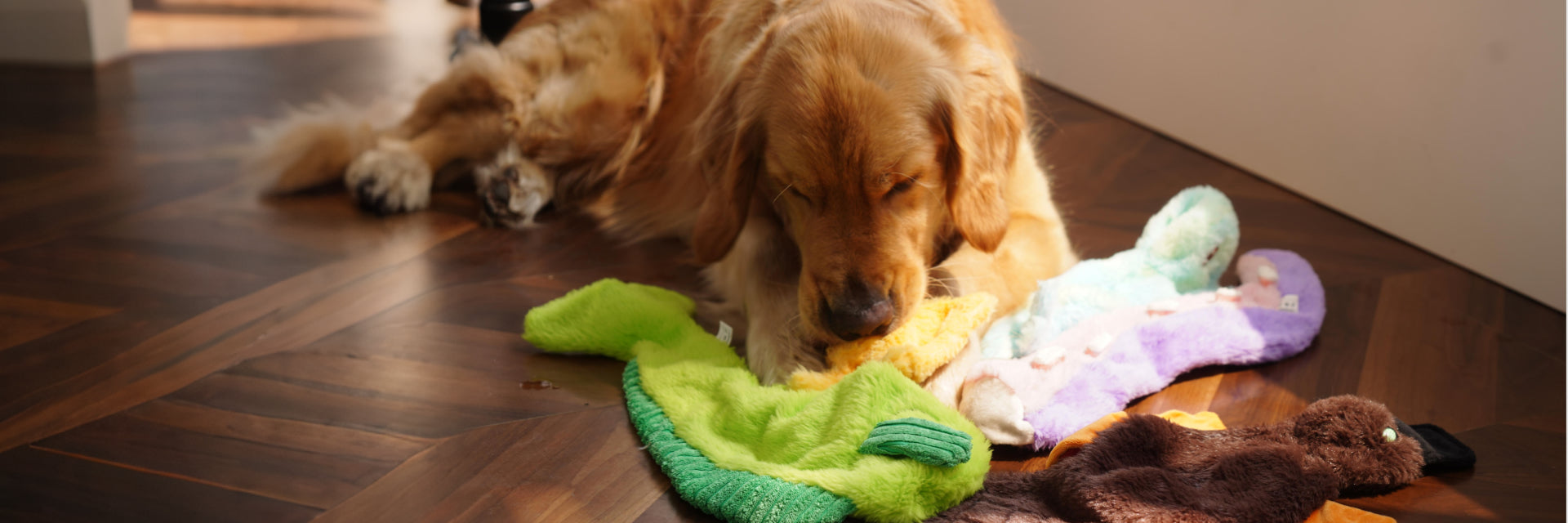
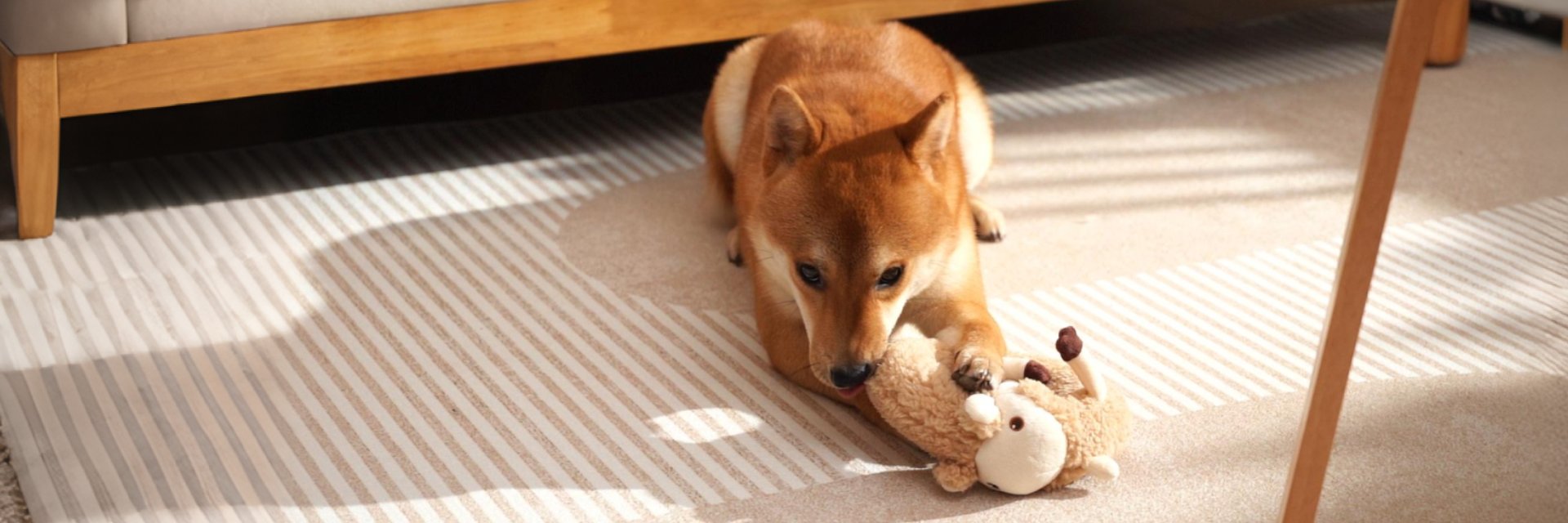
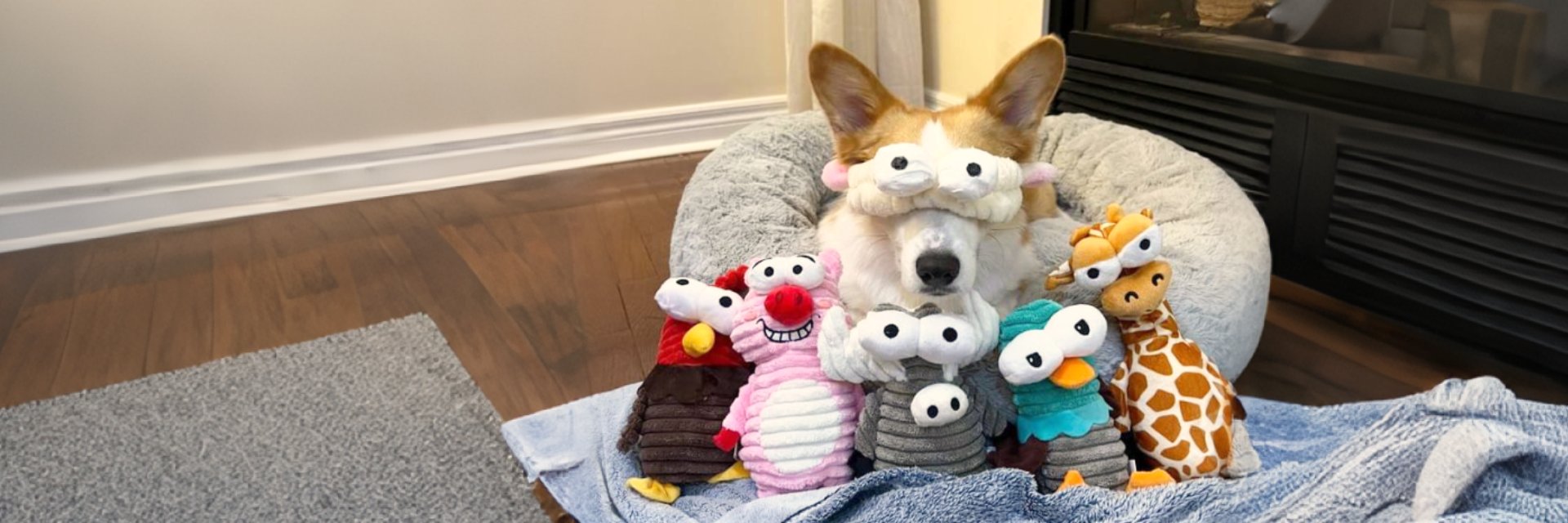
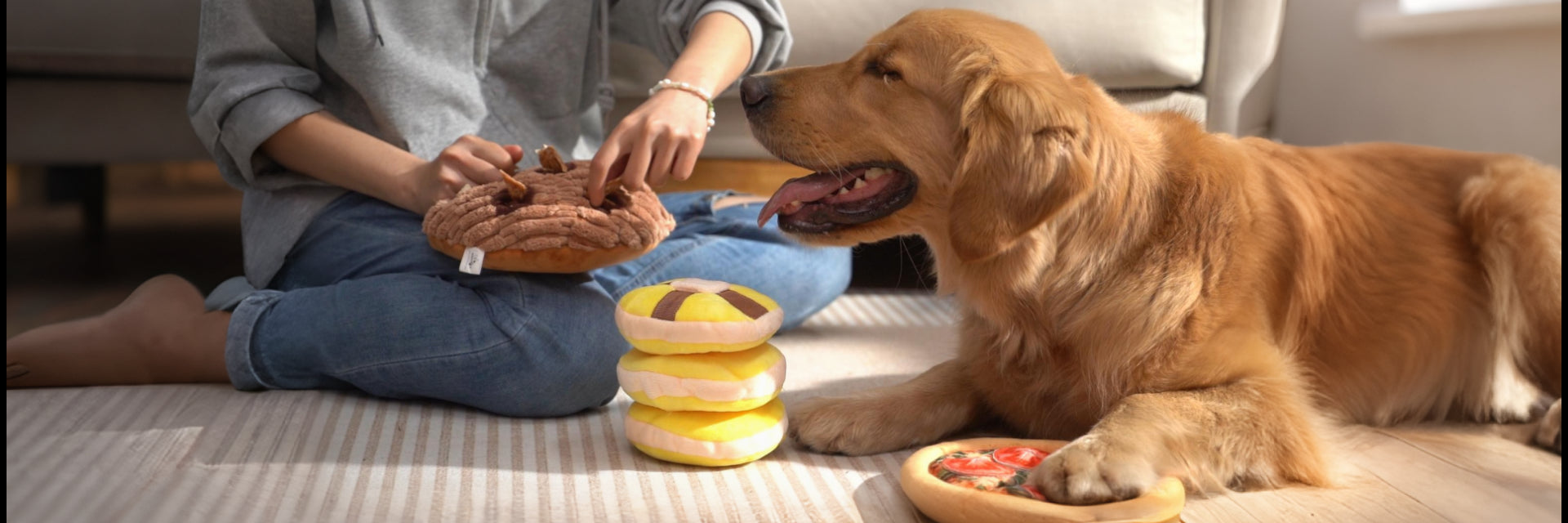
Bringing home a newly adopted dog can be life-changing, but many pet parents notice that their new companion is uninterested, hesitant, or even confused by toys at first. This is a normal stage, especially for dogs from shelters, rescues, or backgrounds with little exposure to enrichment activities. Helping a new dog learn to play with toys is not just about fun—it is essential for their mental health, bonding, stress relief, and building positive routines.
The key to success is patience, gradual exposure, and using positive associations. Clear steps, consistency, and understanding your dog’s needs will foster curiosity and help unlock their natural desire to play. At Nocciola Toys, we design enrichment-driven, personality-packed toys for dogs who are family. Our expert insights and products are crafted to support every stage of a newly adopted dog's toy journey.
Understanding Why Newly Adopted Dogs May Ignore Toys
Many new dogs hesitate with toys because of stress, unfamiliarity, or insecurity. If they were never given toys, lived in high-stress environments, or have just experienced a major transition, they often do not know what toys are for. Some common reasons include:
- Lack of previous exposure or enrichment
- Stress and sensory overload from a new home
- Fear, anxiety, or lack of routine
- Not understanding that toys signal fun or reward
The good news is that virtually all dogs can learn the joy of play with a supportive and low-pressure approach.
Definition: Toy Learning for Adopted Dogs
"Toy learning" is the process of introducing and motivating a dog—especially one with little or no prior experience—to interact with toys in ways that promote mental engagement, exercise, and bonding. For newly adopted dogs, this involves slow exposure, positive reinforcement, and matching toys to their unique play styles and preferences.
Step-by-Step Approach: Teaching a New Dog to Play With Toys
1. Create a Calm, Predictable Introduction Environment
Start in a quiet space with minimal distractions. Allow your dog to approach the toy without any pressure. Sessions should last 5 to 10 minutes, focused only on gentle exposure. If your dog shows any interest, even a glance or a sniff, praise calmly.
2. Reward Curiosity at Every Stage
Instead of expecting full-blown play on day one, reward your dog for investigating, touching, or sniffing the toy. Use a treat, gentle praise, or a soft “yes” marker. Progress may look like this:
- Looks at the toy → reward
- Moves toward the toy → reward
- Touches or sniffs the toy → reward
- Places mouth on or picks it up → reward
By celebrating these "micro-wins," your dog learns that interacting with the toy is positive, building confidence with each step.
3. Make the Toy Enticing With Movement and Interaction
Dogs are often drawn to movement. Instead of handing your dog a toy, wiggle it, roll it, or gently drag it along the floor. Let your own excitement show, as enthusiasm from the human can be contagious. This "discovery" process is at the heart of our designs at Nocciola Toys, as our products often feature textures, sounds, and interactivity to naturally pique curiosity.
4. Incorporate Food for Positive Associations
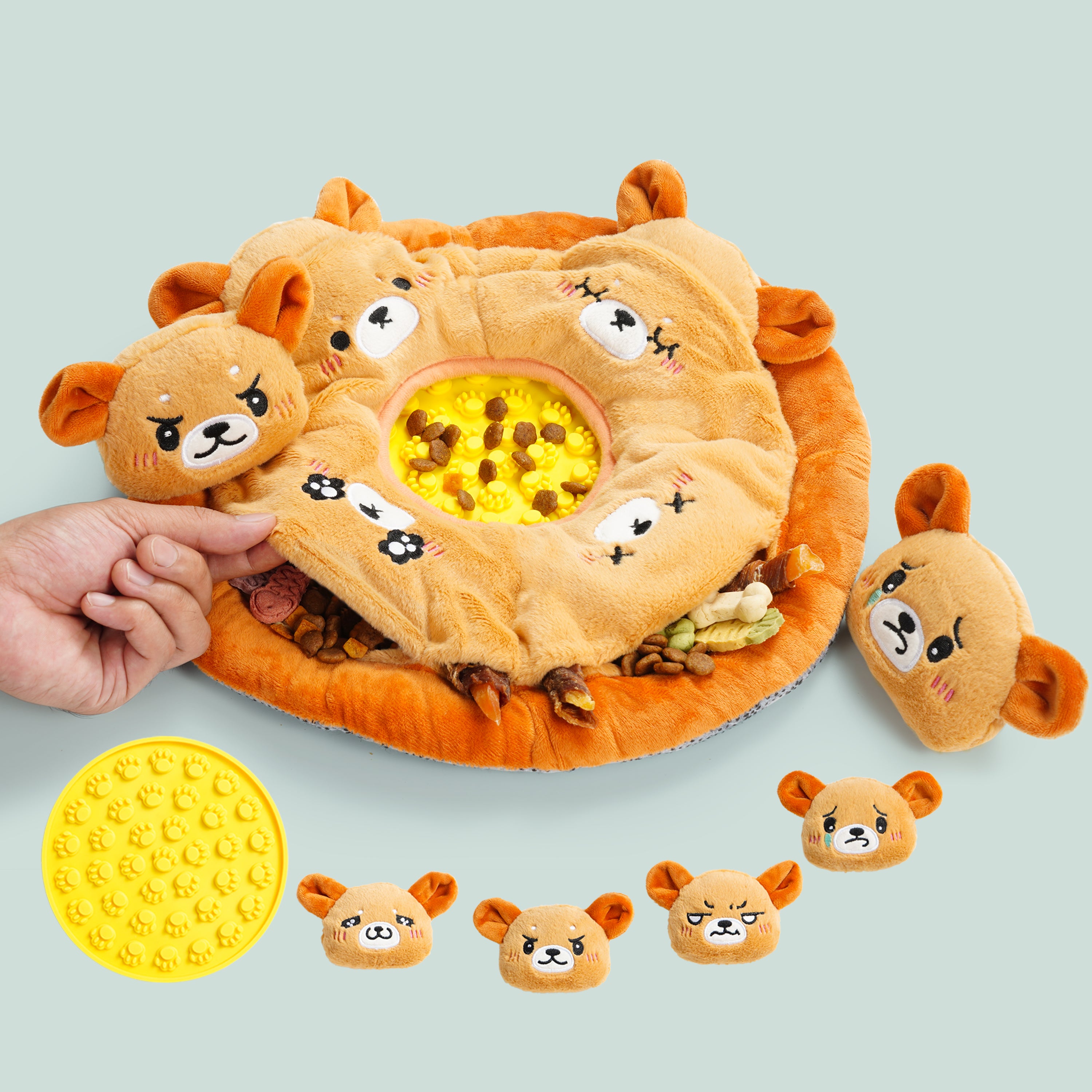
Food is a powerful motivator. Start by placing treats near or inside a toy (if design permits), letting your dog “find” the reward. The toy then becomes a cue for positive things. For puzzle or snuffle toys, this process turns exploration into a natural game.
Try a simple session:
- Set the toy 3–5 feet away and let your dog notice it.
- Praise and treat for any interaction.
- Place a treat inside or on top if the toy allows.
- Repeat short, successful exposures a few times daily.
Snuffle or treat-dispensing toys are especially useful for shy or hesitant dogs. Explore more ideas for what to put inside treat-dispenser toys in our guide on treat-dispensing toy fillers.
5. Find the Right Toy for Your Dog’s Play Style
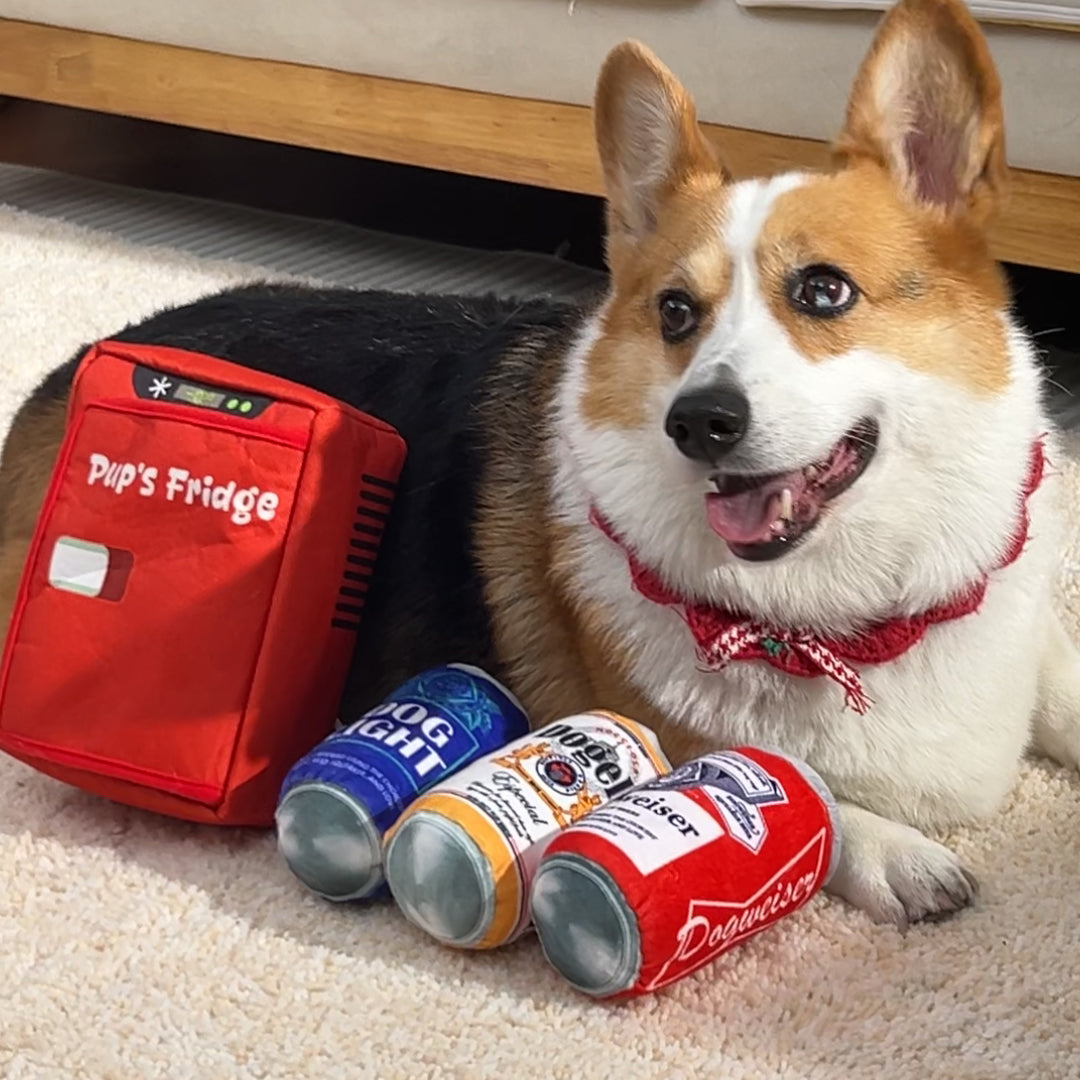
Each dog is unique. Some love plush toys, others enjoy squeaky or puzzle toys, and some prefer tug or fetch games. Observe what your dog responds to naturally, then select toys that amplify those instincts.
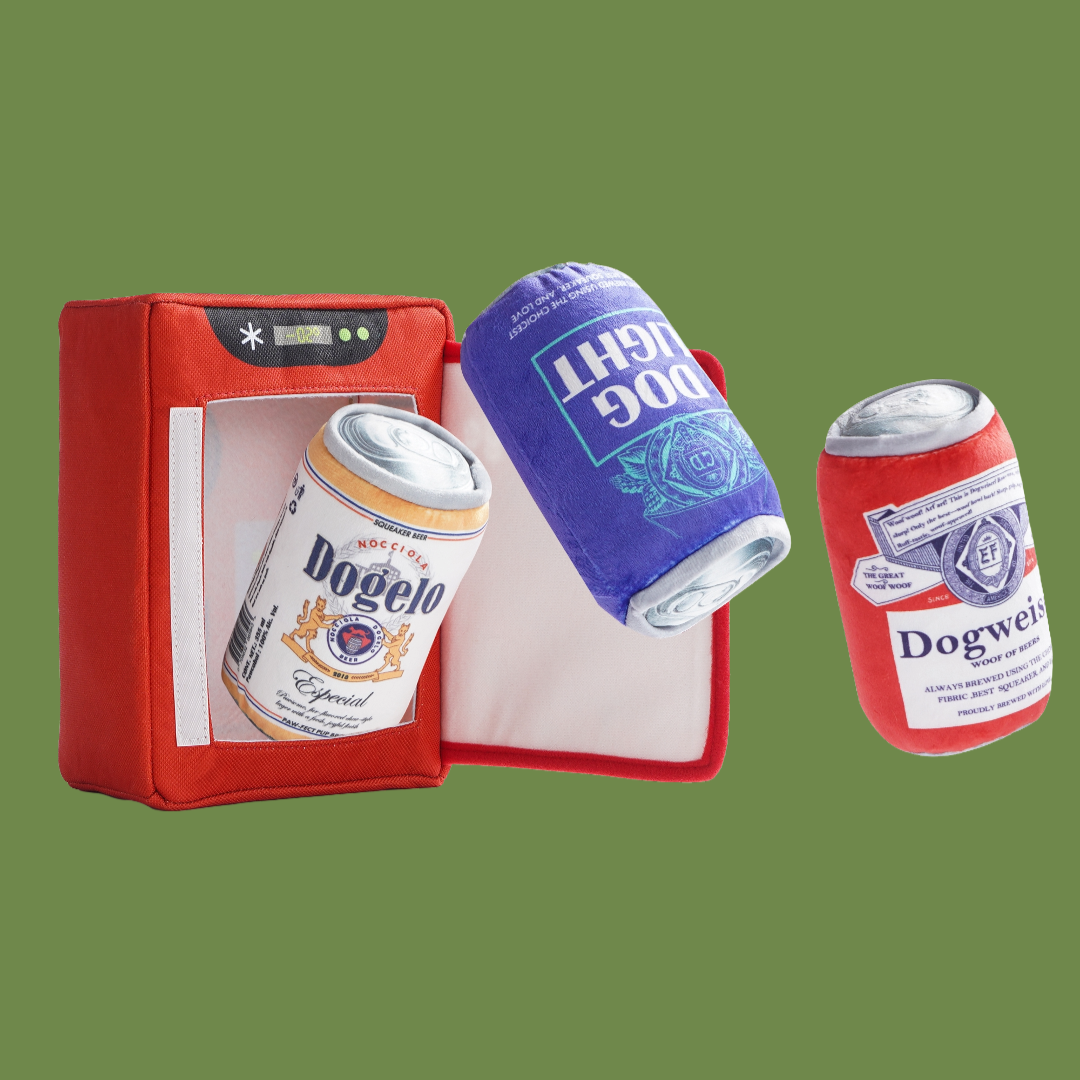
Popular and proven options from Nocciola Toys include:
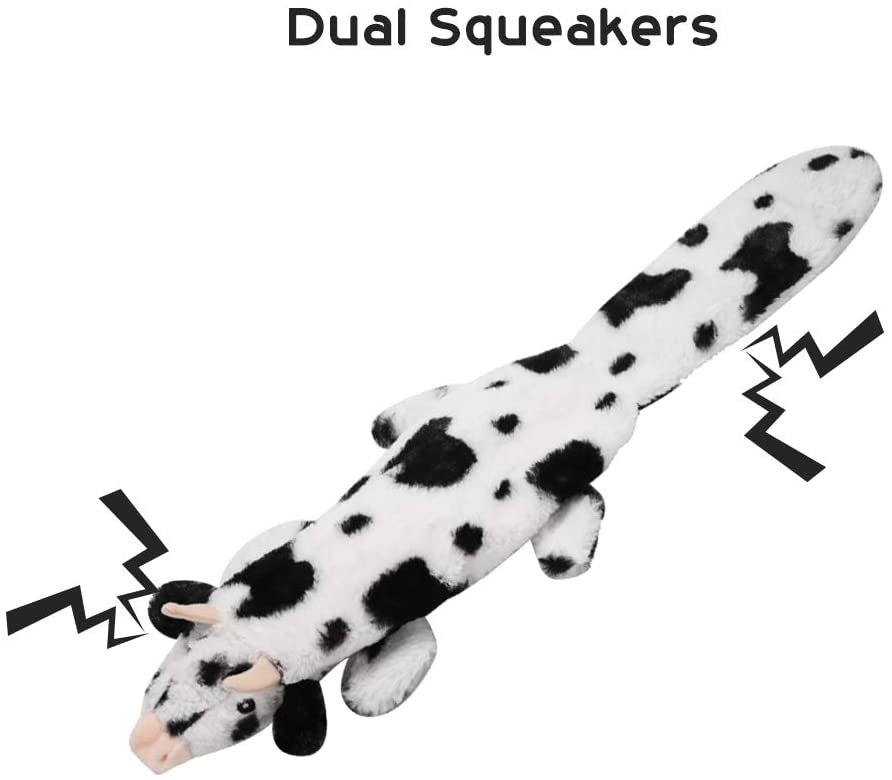
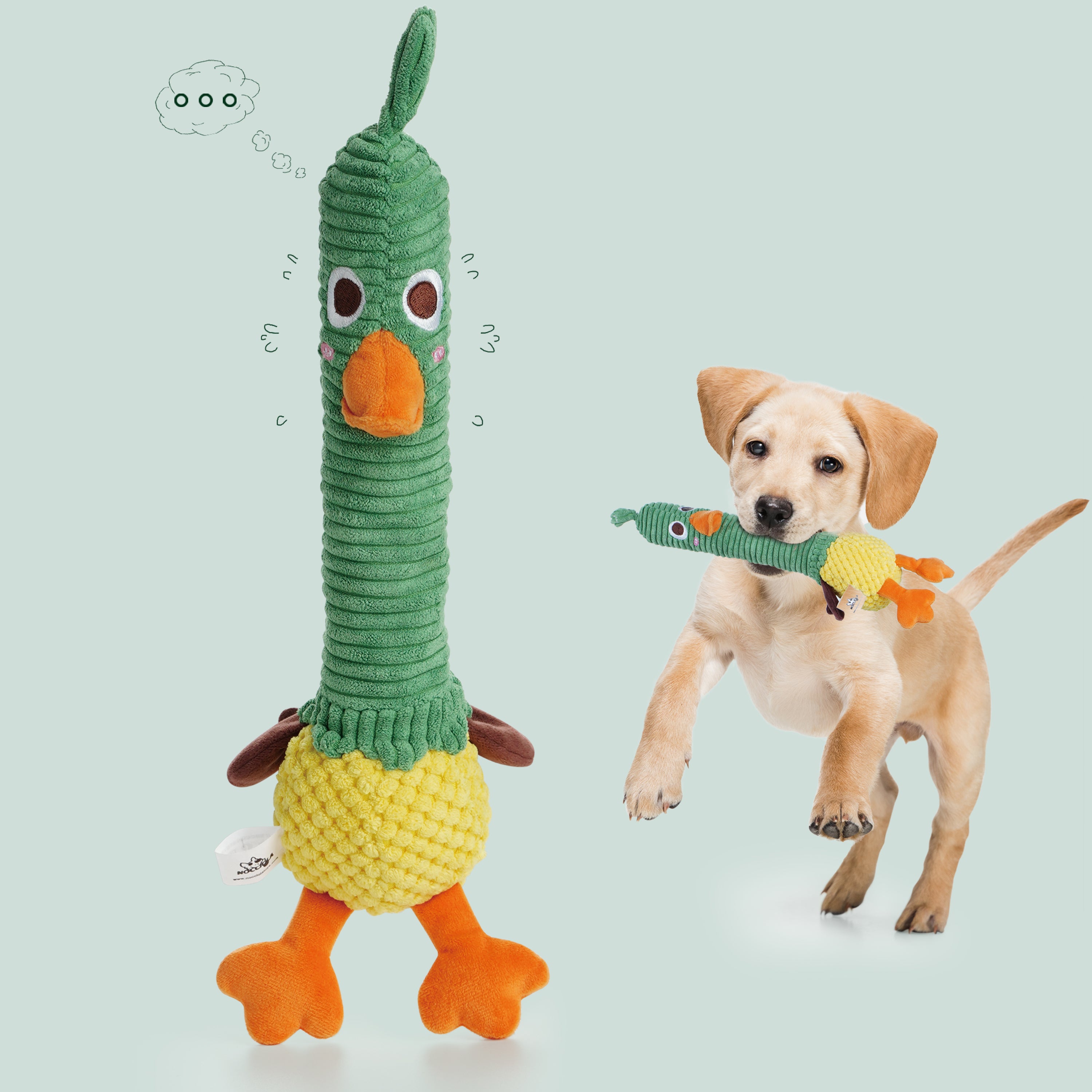
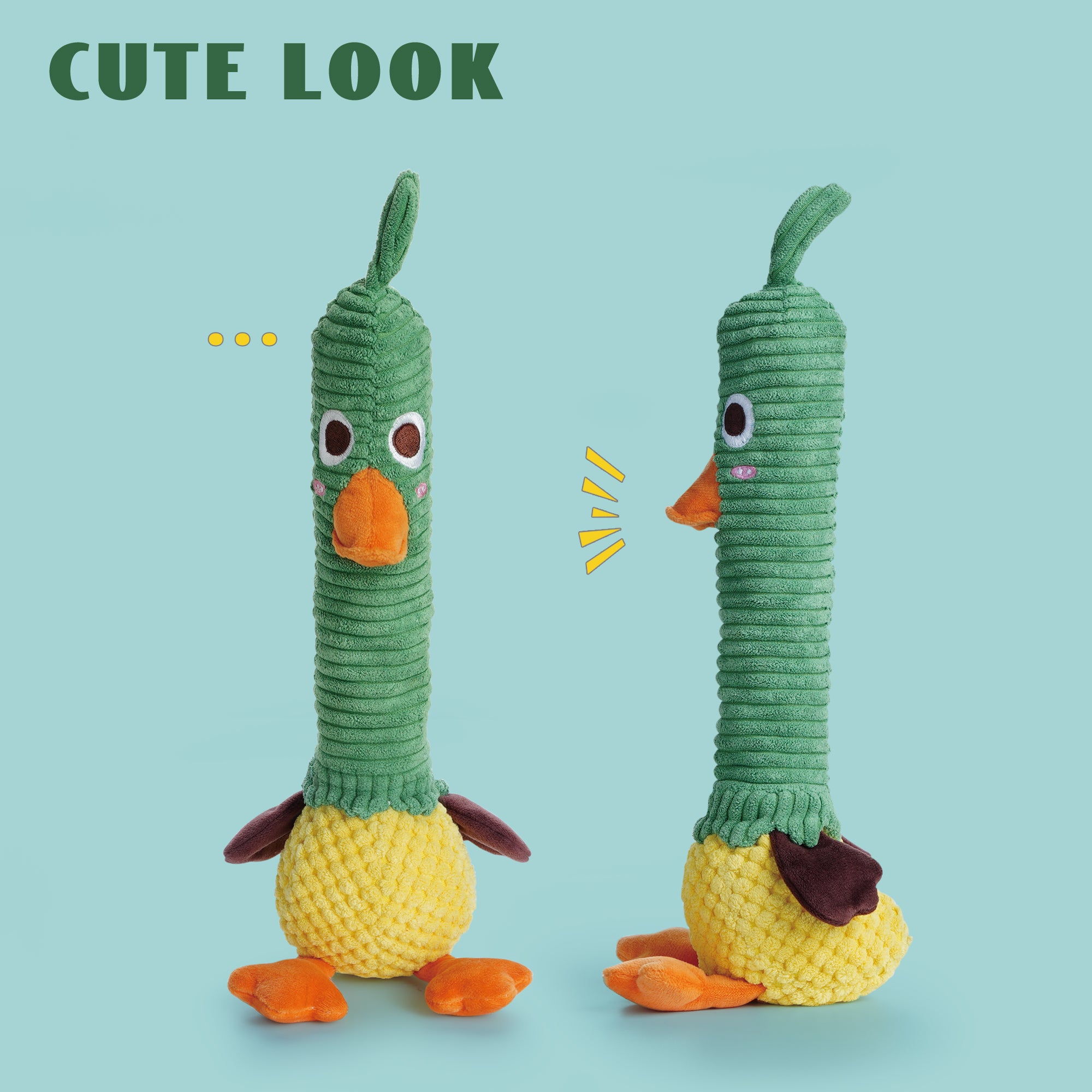
- Squeaky toys for dogs who respond to sound cues
- Puzzle toys and treat-hiders for curious, food-motivated dogs
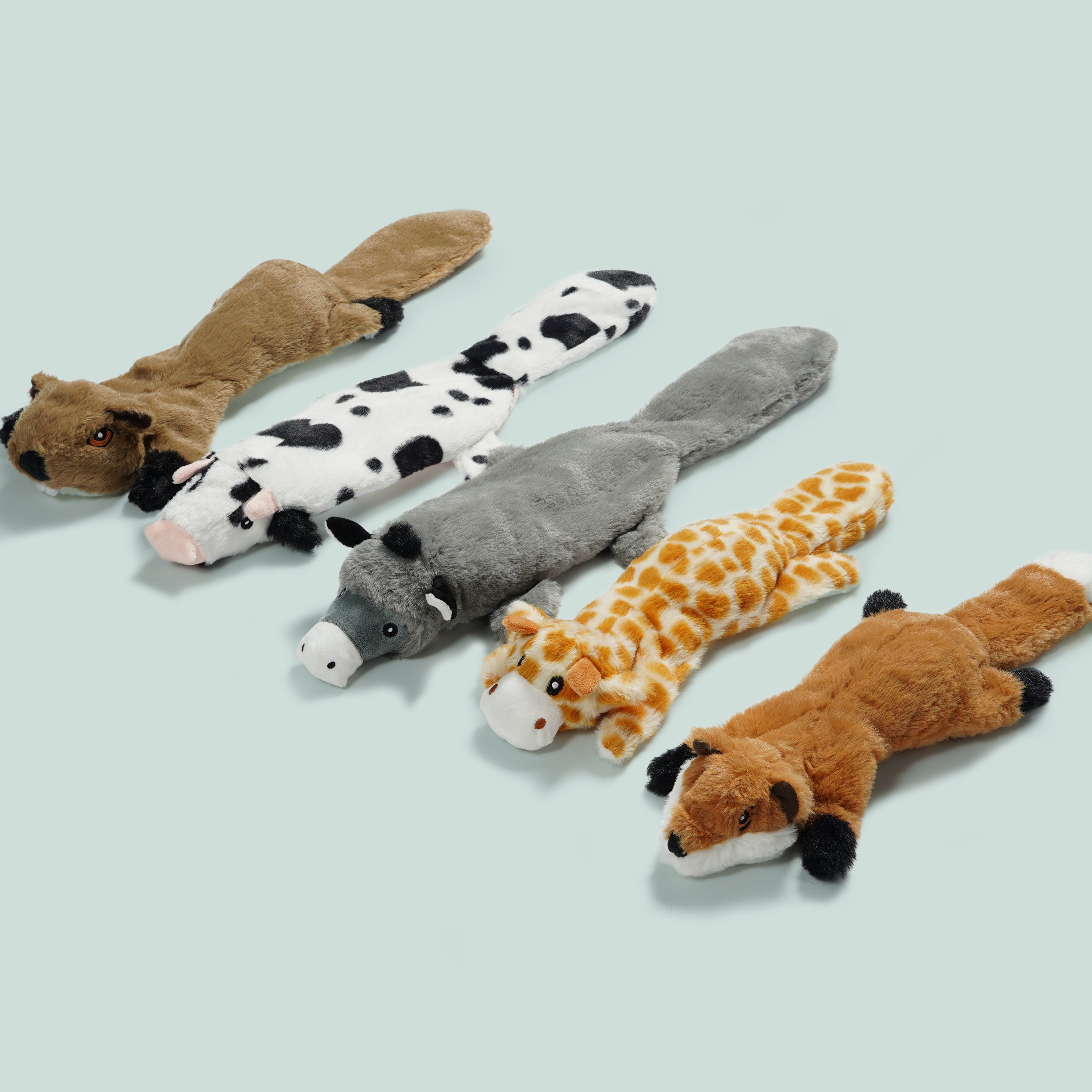
- Tough plush toys for mild to moderate chewers
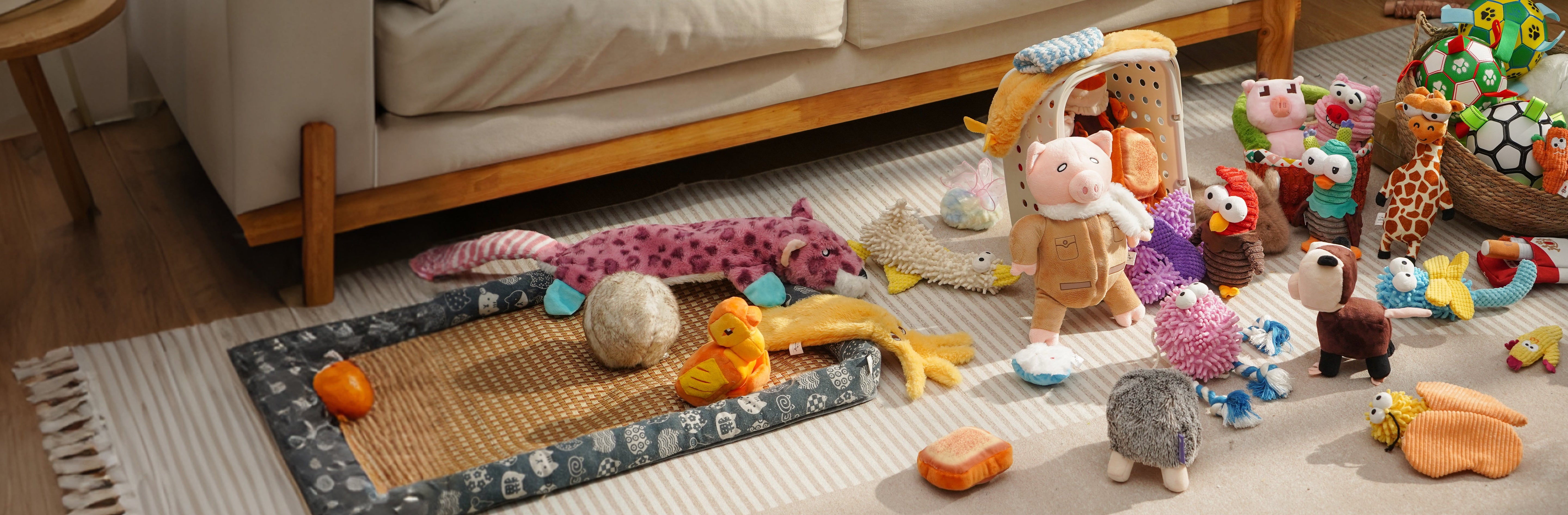
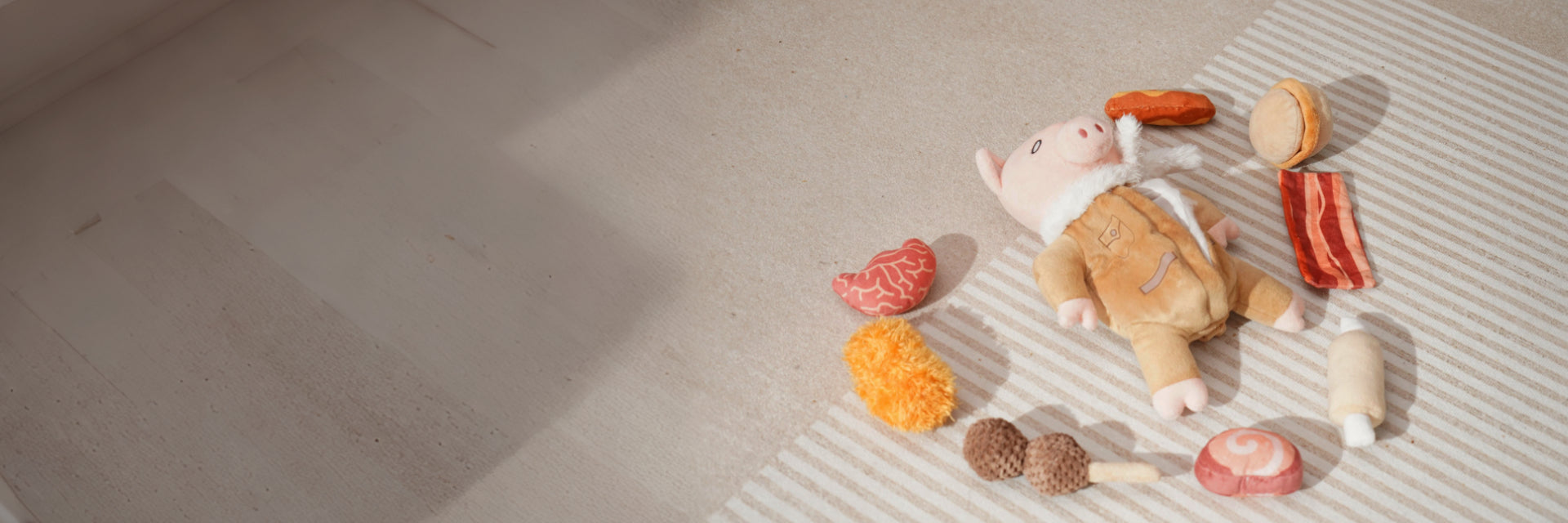
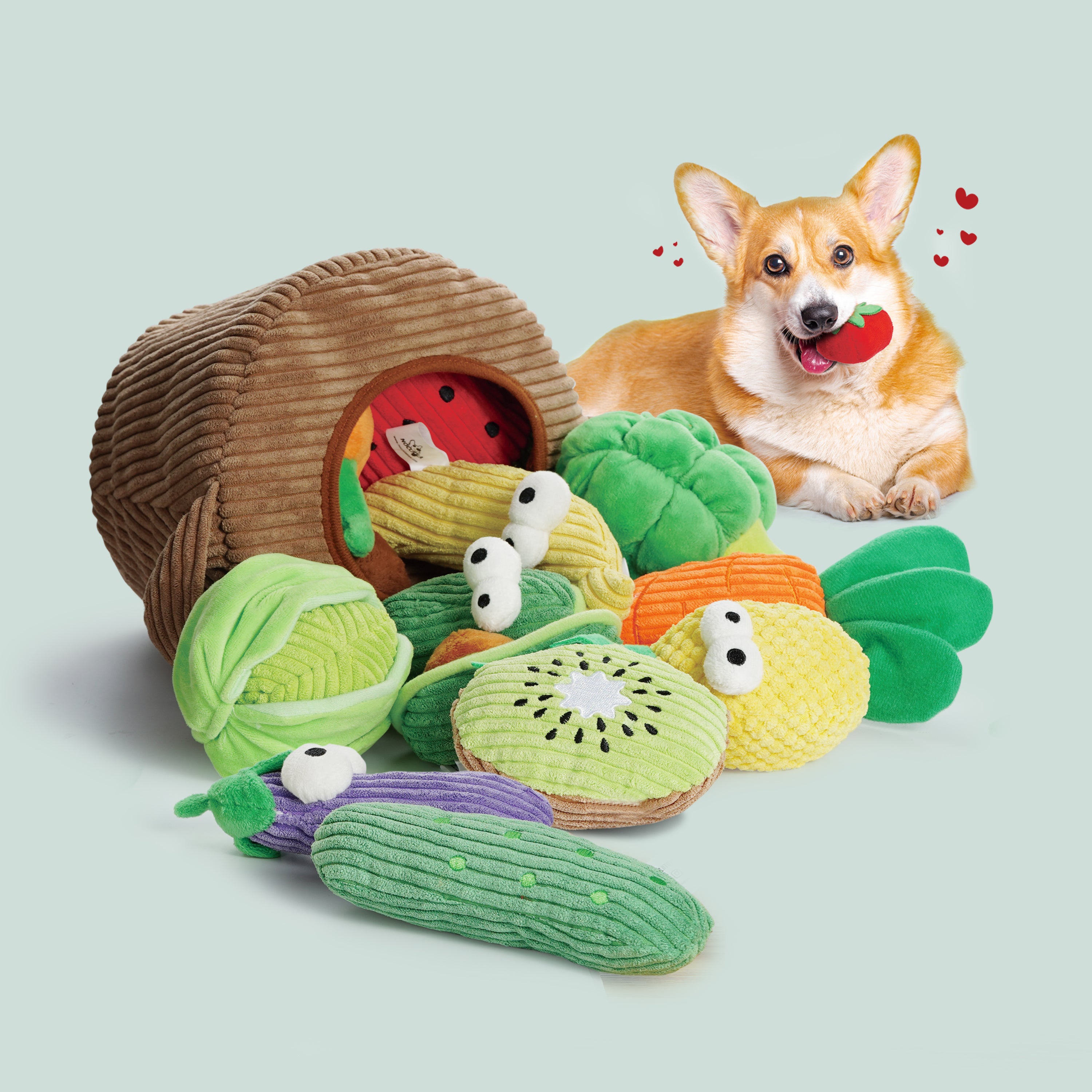
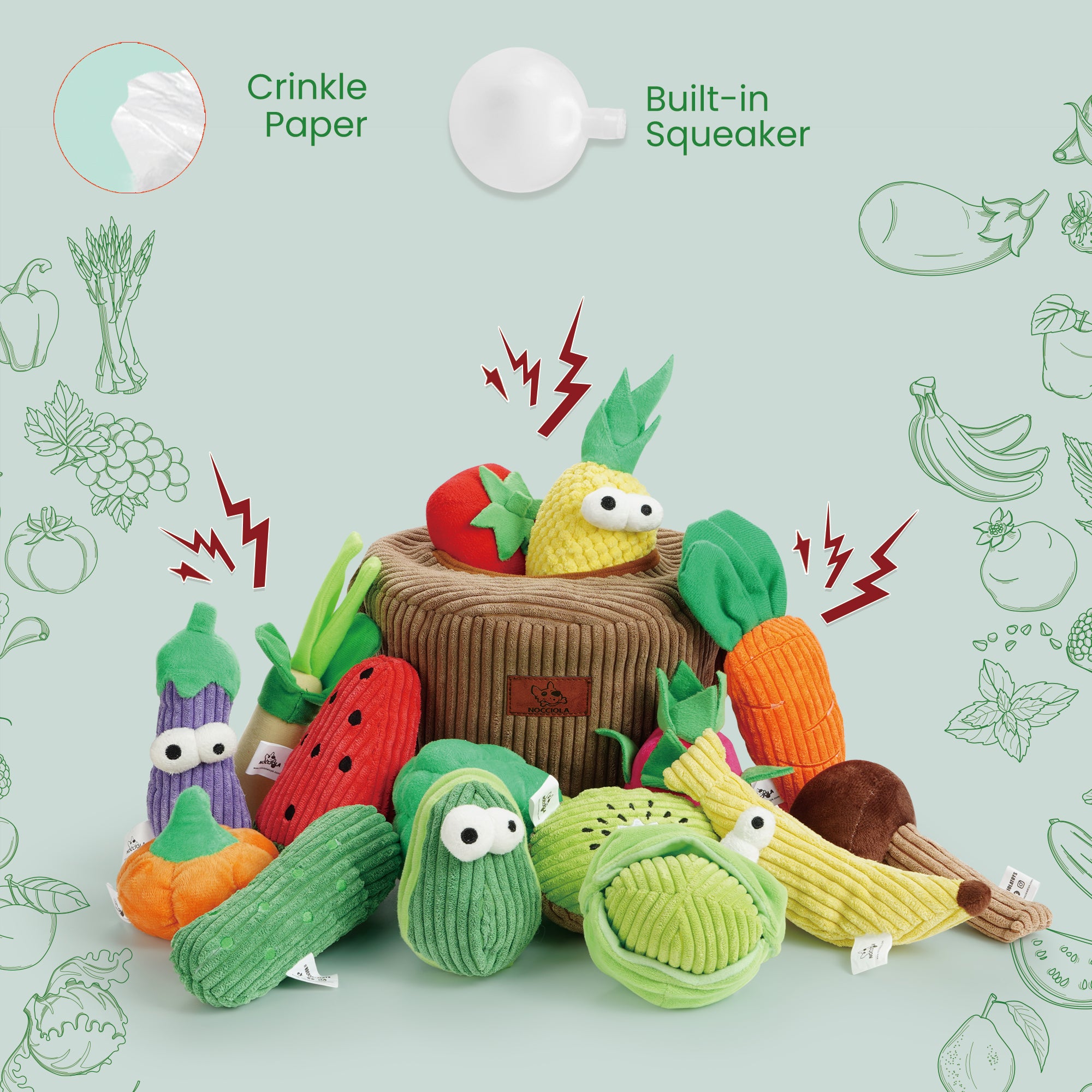
For example, the Nocciola Stuffed Pig Dog Toys not only allows play with multiple smaller toys but also lets you hide treasures inside, encouraging dig, search, and retrieve behaviors.

6. Teach One Toy Game at a Time
Dogs learn best with clear goals. If teaching fetch, start by rolling a toy only a short distance, then reward your dog for moving toward or picking it up. For tug, use brief, gentle tugs followed by the cue “drop” with an immediate reward. For puzzle toys, demonstrate how the toy "works," then let your dog investigate with encouragement.
Short, focused sessions—such as 5 minutes of tug, fetch, or puzzle time—are all most dogs need in the beginning. Check out our blog on assessing puzzle toy difficulty to keep enrichment positive and achievable.
7. Keep Toys Special With Limited Access
Many dog trainers recommend not leaving all toys out all the time. Put away high-value or interactive toys between play sessions. This keeps novelty and excitement high, reducing the chance that your new dog gets bored or sees the toy as “background clutter.”
Rotating toys weekly is especially useful for dogs who lose interest quickly. For more on this strategy, read our article about why dogs get bored with toys and how rotation helps.
8. Practice With a Predictable Routine
Consistency and routine are powerful for newly adopted dogs. Include short toy sessions in your daily schedule, matching playtime to meals, walks, or rest breaks. Even three 5-minute sessions per day can accelerate a dog’s learning and create positive anticipation around toys.
- Morning: reward-curiosity play after a walk
- Afternoon: gentle toy introduction with food rewards
- Evening: interactive session (tug, fetch, puzzle) with praise and calm wind-down
9. Troubleshooting: For Shy or Hesitant Dogs
Some dogs may remain hesitant or nervous. Build confidence with the following tips:
- Never force or push the toy toward your dog’s mouth
- Use extra-soft or plush toys for sensitive dogs
- Let the dog "watch" you play with the toy and express excitement
- Try hiding treats inside toys like the Nocciola Teeth Enrichment Puzzle Dog Toys for fun, low-pressure interaction

Nocciola Teeth Enrichment Puzzle Dog Toys - Always praise and reward calm investigation or touching
10. Know When It’s Time for Extra Help
If your dog seems extremely withdrawn, avoids all food and toys, or displays signs of high anxiety, reach out to a professional trainer or your veterinarian. Sometimes slower decompression, medical assessment, or expert behavioral help are needed. For toy-specific questions, Nocciola’s customer support is available at help@nocciolatoys.com, and our product videos show step-by-step play ideas for many of our most popular toys.
Best Practices and Key Tips
- Be patient and celebrate all small steps of progress
- Let your dog set the pace, especially in the first few weeks
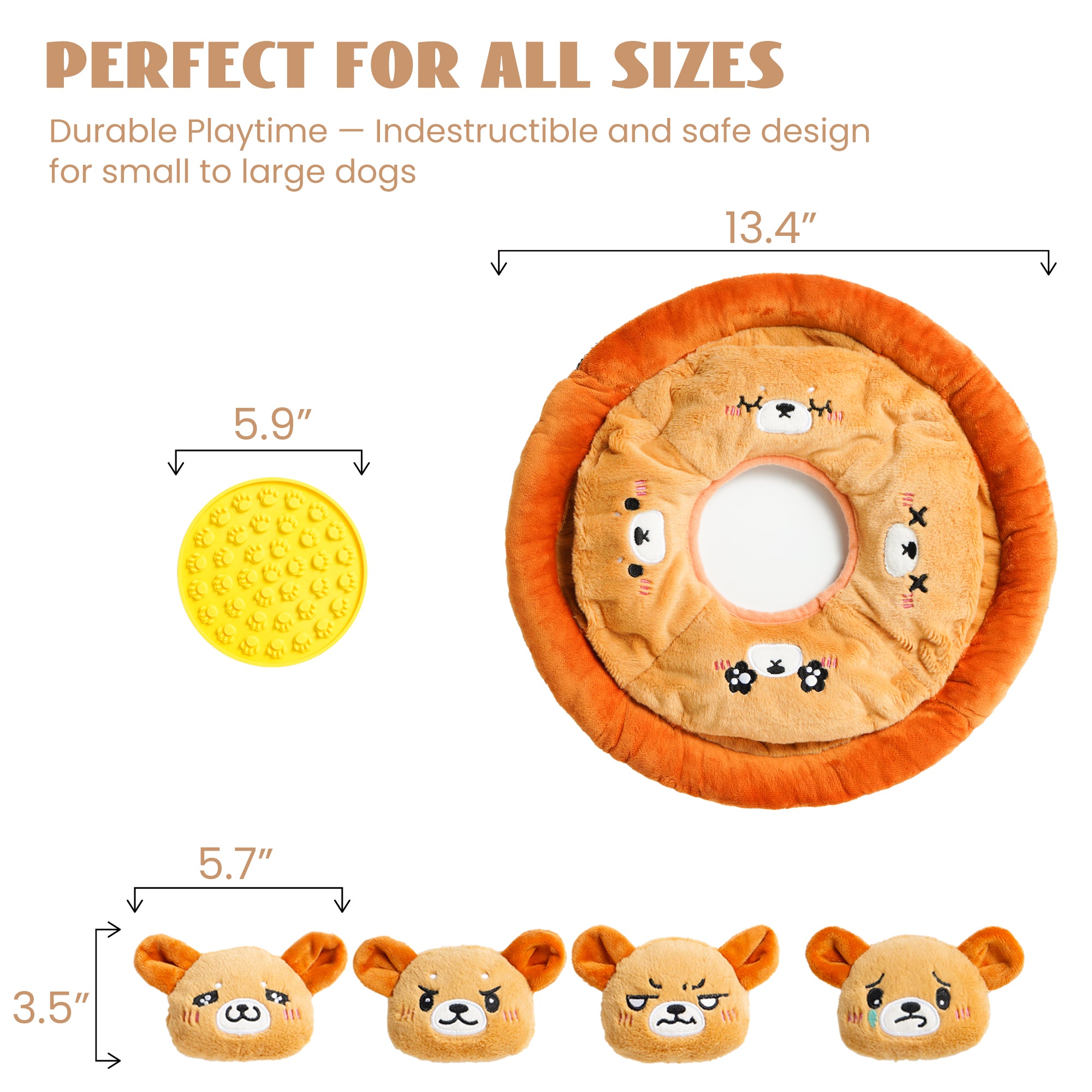
- Choose toy sizes based on weight and mouth size. Nocciola Toys recommends Small for under 20 lbs, Medium for 20–49 lbs, and Large for over 50 lbs. Size up if your dog is a strong chewer or has large jowls.
- Rotate toys to keep interest high and prevent boredom. Our article on toy subscription boxes explores ways to keep novelty going.
- For extra novelty, try multipack toy sets like the Nocciola 10 Pack Bread Dog Toys with a Bread Bag.

Frequently Asked Questions
Should I leave toys out for my new dog all the time?
Some toys, such as comfort plush, can be left out. However, reserving special or interactive toys for focused, supervised sessions keeps them novel and exciting, helping your dog connect toys with positive human interaction and reducing boredom.
What if my dog only wants treats and ignores the toy?
Start by rewarding for small interactions. Gradually reduce the treat rewards as your dog begins to show more curiosity about the toy itself. Over time, the toy will become rewarding on its own. Many dogs shift their focus when toys are paired with praise, petting, or your excitement too.
Can an older adopted dog learn to play with toys?
Absolutely. Age is no barrier when introducing toys with patience and consistency. Many older dogs have never had the chance to play with toys and quickly become fans with the right encouragement.
How do I choose the safest toy for my new dog?
Opt for toys made with pet-safe materials and robust construction. At Nocciola Toys, all designs are tested and improved for durability and safety. For more guidance, review our advice on safe and non-toxic toy choices.
Are puzzle and enrichment toys too hard for beginners?
Many enrichment toys are suitable for beginners, especially if you guide your dog in the first few uses. For tips on picking the right challenge level, see our post: How to Tell If Your Dog’s Puzzle Toy Is Too Hard.
How long does it take for a newly adopted dog to enjoy toys?
It can take a few sessions to several weeks, depending on your dog’s background and personality. Stick with short, positive exposures and celebrate progress instead of aiming for instant results.
Where can I find more ideas or get support if my dog seems stuck?
We encourage you to explore our full blog archive for creative toy and play strategies, or contact our support team at help@nocciolatoys.com for personalized product help and play tips.
Summary and Next Steps
Helping a newly adopted dog discover the joy of toys means creating a gentle, predictable, and rewarding environment. Start with calm sessions and reward curiosity at every stage, matching toys to your dog’s instincts and rotating options to keep interest high. Remember: progress is not always linear, but with patience, nearly every dog can become a playful, engaged member of the family.
For scientifically tested, enrichment-based toys plus expert support, explore our full collection and resources at Nocciola Toys. Every toy is designed with your dog’s happiness—and your unique relationship—in mind.