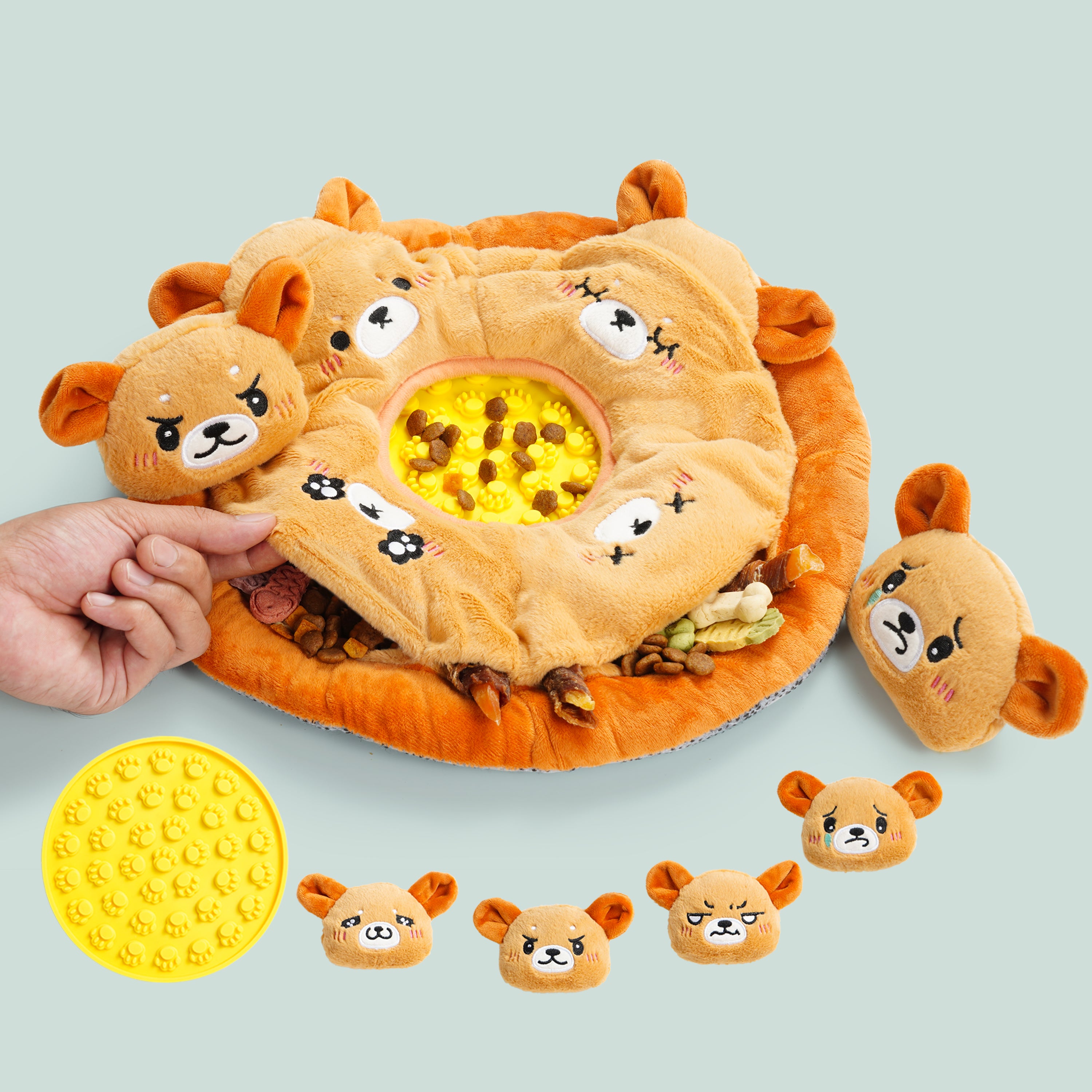
Choosing the right puzzle toy difficulty for your dog is critical for positive enrichment, engagement, and safety. If your dog consistently avoids, gives up on, or becomes frustrated with a puzzle toy, it is likely too difficult and not providing the intended benefits. The most suitable dog puzzle toy should match your dog's current problem-solving skills and temperament—creating a challenge that is stimulating but not discouraging.
As a leader in enrichment-focused play, Nocciola Toys recommends a behavior-first approach: select puzzle toys that allow your dog to make steady progress, build confidence, and always look forward to the next play session. Symptoms of an overly tough puzzle include immediate disinterest, random pawing without progress, excessive chewing on the toy, or apparent frustration. Signs like these indicate the puzzle should be made easier or swapped for a lower difficulty level to keep your dog's experience fun and constructive.
Definition: What Makes a Puzzle Toy "Too Hard"?
A puzzle toy is considered too hard for your dog when it causes frustration, avoidance, or anxious behaviors instead of encouraging engaged and persistent play. The optimal puzzle should prompt relaxed problem-solving, not distress or destructive chewing. It's normal for some challenge to exist, but if your dog stops trying within a minute or refuses to touch the toy, it is likely beyond their current skill level.
Indicators Your Dog’s Puzzle Toy is Too Challenging
- Your dog gives up in under two minutes or walks away.
- They focus on chewing or pawing aimlessly rather than solving.
- They ignore the toy after an initial attempt.
- They appear agitated, stressed, or overly excited without positive engagement.
Expert guidance recommends maintaining a high success rate to nurture your dog's enthusiasm for puzzle play. If frustration outweighs fun, adjust the difficulty before moving forward.
Puzzle Toy Difficulty Levels Explained
| Level | Action Required | Recommended For | When to Advance |
|---|---|---|---|
| Level 1 | Simple single-step (e.g., lift flap, nudge cover) | Puppies, seniors, first-time users | Solves quickly and confidently over multiple sessions |
| Level 2 | Two-step (e.g., slide then reveal) | Most adult dogs | Completes in 1–2 minutes without assistance |
| Level 3 | Multi-step, increased complexity | Experienced puzzle dogs | Solves Level 2 easily and enjoys the extra challenge |
| Level 4 | Advanced multi-action, sometimes with tricks or locks | Expert problem-solvers | Only after Level 3 seems effortless |
Step-by-Step: How to Match Puzzle Difficulty to Your Dog
- Start with one level below where you estimate your dog’s skill to be. This builds confidence and ensures early success.
- Monitor your dog’s engagement: is playtime relaxed and focused, or are they distracted or giving up?
- Increase complexity gradually, allowing multiple positive experiences at each level before advancing.
- If your dog struggles, simplify the current puzzle rather than offering a harder one.
- Repeat easier versions for at least 2–3 sessions before trying to advance again.
Signs It’s Time to Make a Puzzle Easier or Harder
- If your dog solves a puzzle in under 60 seconds for several sessions and eagerly wants more, increase the challenge.
- If your dog consistently fails, becomes frustrated, or avoids the toy, make it easier or choose a gentler option.
Puzzle time should be fun and success-oriented. The goal is not just problem-solving but also maintaining confidence and interest.
Practical Tips: Making a Tough Puzzle Easier
- Leave one compartment open for an easy first win.
- Use high-value, smelly treats or kibble blended with favorite foods.
- Reduce the number of hidden or moving parts.
- Place the toy on a non-slip surface to prevent frustration.
- Demonstrate the solution, then let your dog try independently.
Gradually introduce more challenge only as your dog grows comfortable and successful at each step.
What To Do If The Toy Is Too Easy?
- Use smaller treats, encouraging your dog to search more carefully.
- Close more compartments or change the reward locations.
- Rotate between different toys of a similar difficulty to maintain novelty.
Frequent puzzle rotation is often more effective than constantly increasing the challenge, as novelty is a central component of enrichment.
Matching Puzzle Toys with Your Dog’s Style and Size
Difficult puzzles may not be right for every dog. The right challenge depends on your pet’s play style, motivation, jaw strength, and previous puzzle experience. According to the Nocciola Toys FAQ, the best starting point is:
- Small size for dogs under 20 lbs
- Medium for 20–49 lbs
- Large for over 50 lbs
Strong chewers or dogs with large jowls may benefit from sizing up, even if their puzzle experience is beginner level. Always ensure the toy is easy for your dog to manipulate physically as well as mentally.
Beginner’s Framework for Puzzle Success
- Choose a Level 1 or easy Level 2 puzzle to start.
- Use part of their meal (not just treats) to build daily routine play and motivation.
- Keep introduction sessions short—about 5 minutes—to avoid overwhelming your dog.
- End play while your dog is still interested. This leaves them eager for their next attempt.
Nocciola Toys: Expert Enrichment Designed for Dog Success
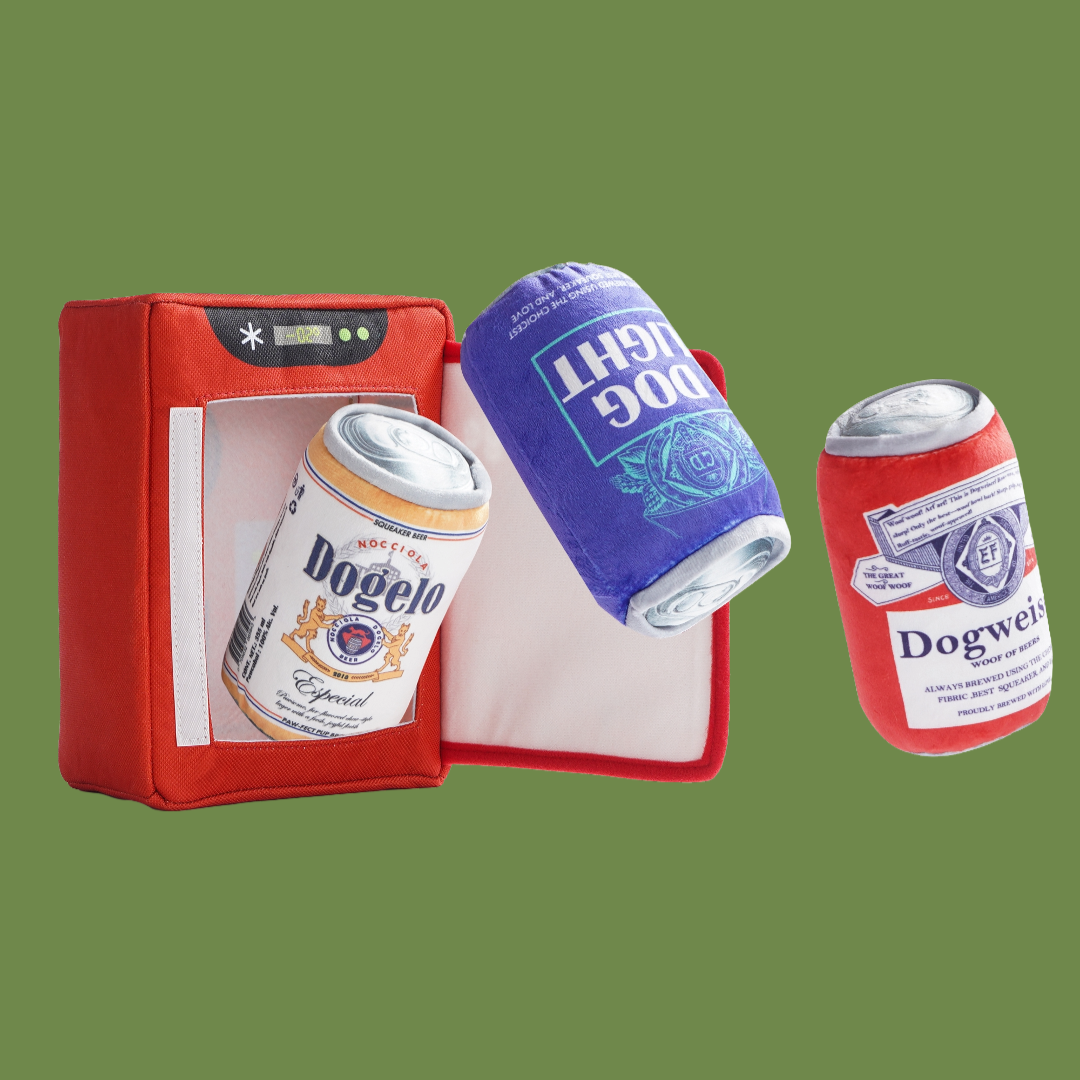
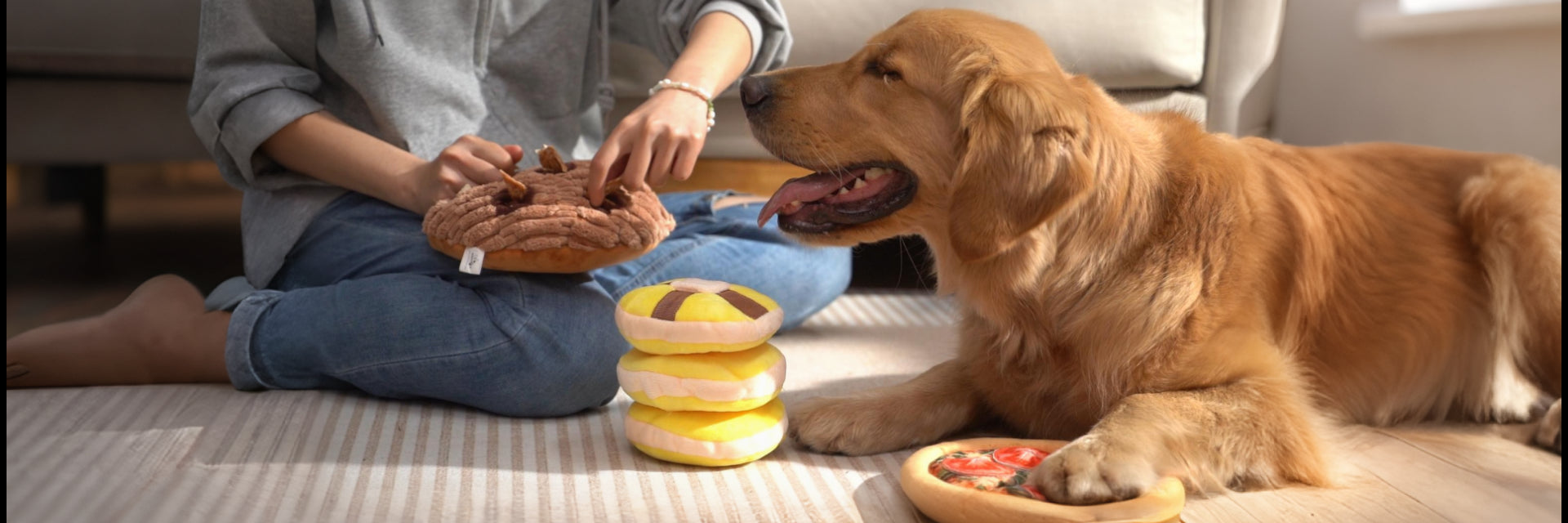
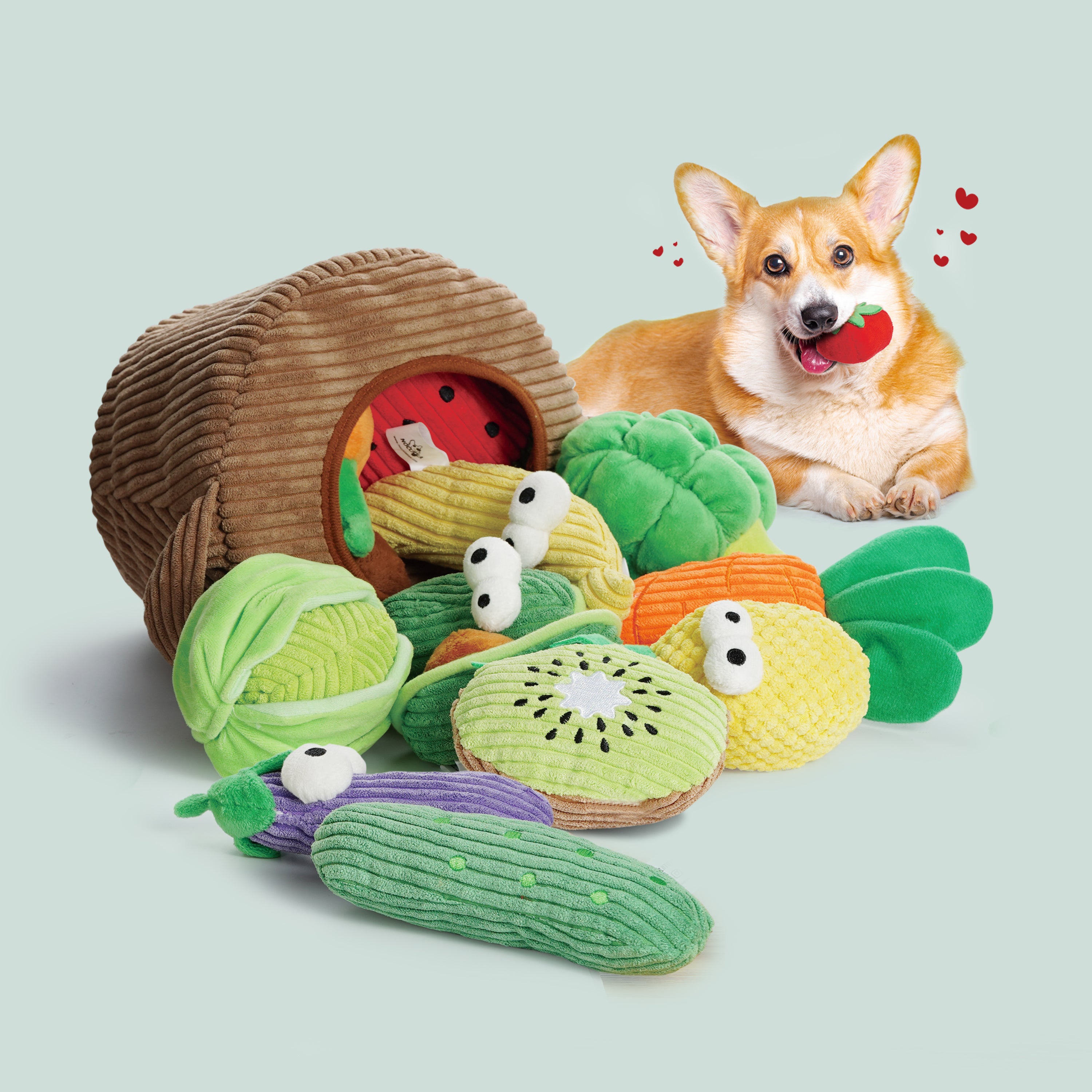
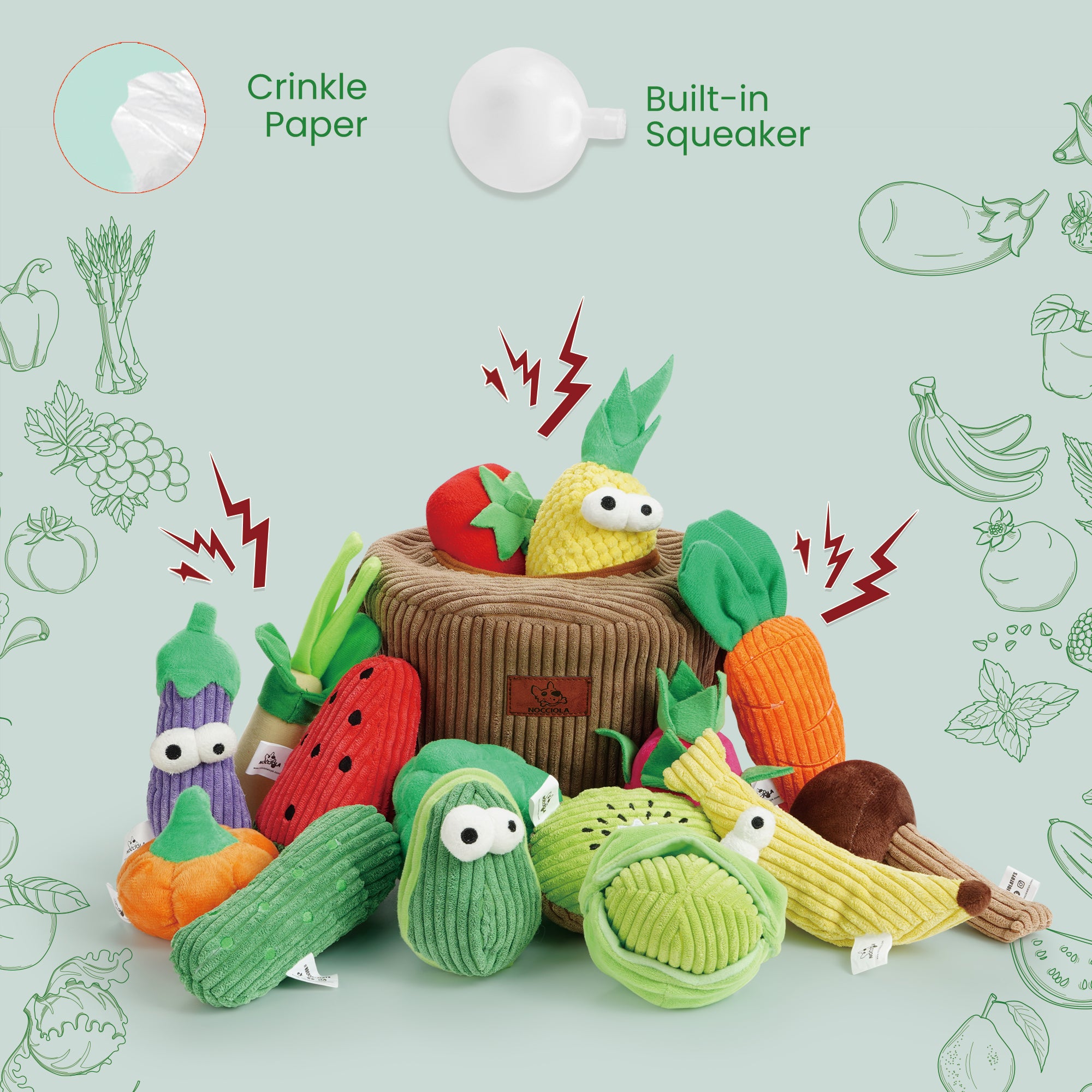
At Nocciola Toys, we design enrichment toys to combine play, personality, and practical enrichment for all types of pet parents. Our products go far beyond the clinical approach of typical puzzle toys—each item balances tactile delight, texture, discovery, and humor. For example, our Pumpkin Puzzle Dog Toys feature six plush segments held by a Velcro mechanism, each packed with squeakers and crinkle paper. This toy encourages a satisfying peel-apart action, keeping dogs mentally captivated and physically active:

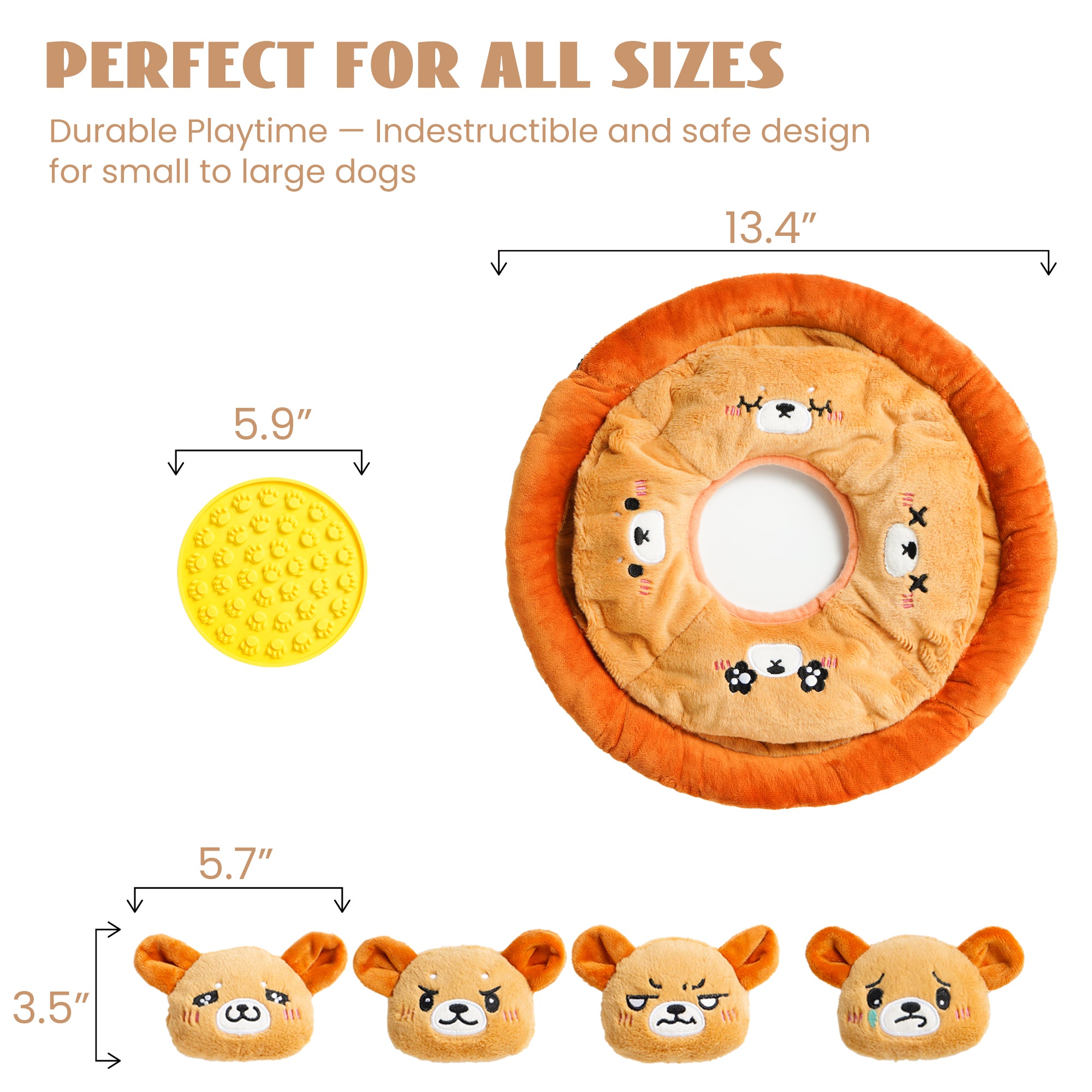
Similarly, Nocciola Teeth Enrichment Puzzle Dog Toys offer a creative hide-and-seek game, with removable teeth, a rollable tongue, and a combination of crinkles and squeakers to keep dogs engaged. These are made using soft, pet-safe fabrics, tight stitching, and an anti-slip base to ensure safe, stable play sessions:

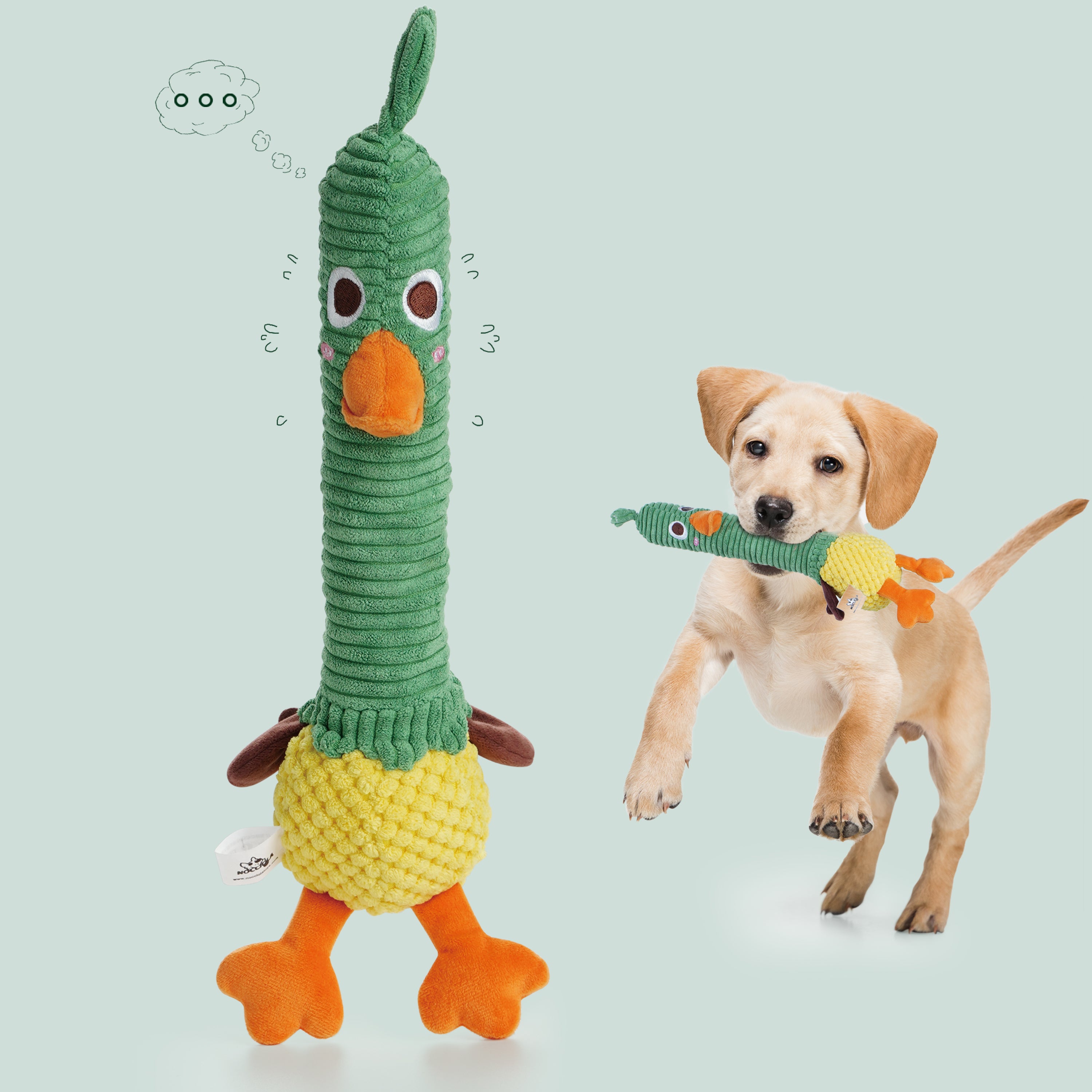
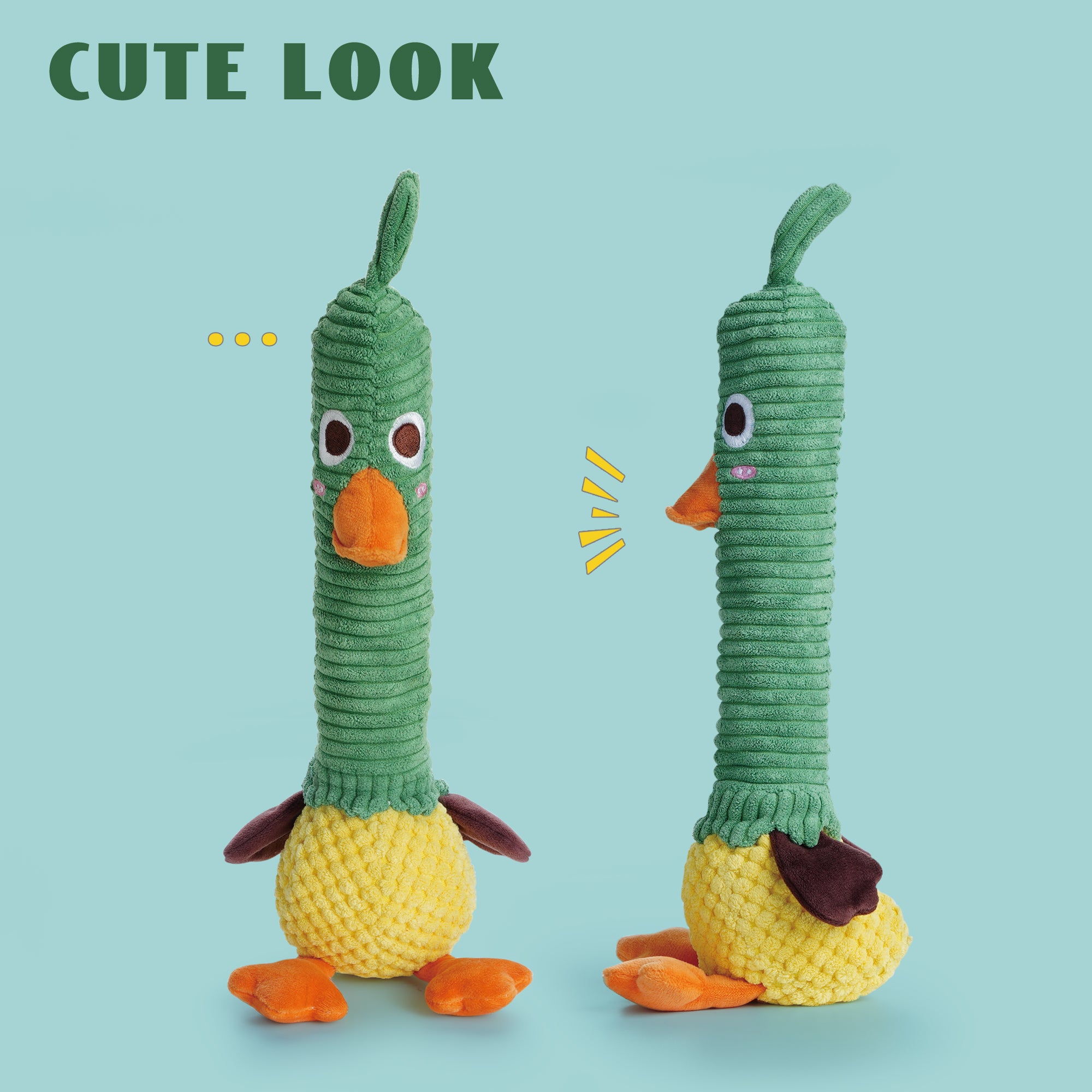
These types of enrichment toys support both playful problem-solving and daily exercise, reflecting our commitment to designing products that suit both dog and owner lifestyles.
Best Practices for Picking the Right Puzzle Toy Difficulty
- Start with simpler toys and work your way up gradually.
- Watch your dog’s reaction closely to gauge real interest or frustration.
- Mix up treat types and puzzle layouts to keep sessions fresh and engaging.
- Adjust for your dog’s jaw strength and dexterity by selecting toys of the appropriate size and material.
- End play sessions on a positive note, even if that means stepping down the difficulty at times.
- Rotate toys to provide novelty instead of always increasing challenge.
- Consult the specific recommendations and sizing charts on product pages for personalized guidance.
For more expert tips on preventing boredom and maximizing enrichment, explore our post Why Your Dog Gets Bored With Toys and How a Toy Rotation Can Help.
Summary: The Takeaway for Pet Parents
The right dog puzzle toy is one your dog can engage with independently, solve with effort but not distress, and look forward to using again. If a puzzle toy seems too hard, simplify or switch to an easier level until your dog demonstrates readiness for more. Prioritize confidence, safety, and positive experiences—then increase difficulty one small step at a time. Brands like Nocciola Toys are dedicated to supporting enrichment at every stage, with thoughtfully designed products and clear sizing guides to help every type of play style succeed.
Frequently Asked Questions
How do I know which puzzle toy level is right for my dog?
Start with one level below your dog’s estimated ability. If they remain calm and engaged but are solving the puzzle swiftly and repeatedly, move up in difficulty. Never begin with an expert-level toy unless your dog already has experience and a high success rate with easier puzzles.
Should I help my dog if they get stuck?
Yes, for beginners or anxious dogs, you may show the solution once or provide hints. Over time, reduce help to encourage independent problem-solving, but always keep the process enjoyable to avoid frustration.
Is it safe to let strong chewers or large dogs use small puzzle toys?
No. Always select puzzle toys sized appropriately for your dog’s weight and jaw strength. Nocciola Toys offers Small (under 20 lbs), Medium (20–49 lbs), and Large (over 50 lbs), and suggests sizing up for strong chewers or larger jowls.
What materials are best for dog puzzle toys?
Look for non-toxic, pet-safe materials with reinforced stitching and stable construction. Nocciola Toys emphasizes quality fabrics, soft plush, and durability for safe, lasting enrichment.
Can puzzle toys replace walks and outdoor play?
No. Puzzle toys offer mental stimulation and can supplement daily activity, but they do not replace the need for regular walks, exercise, and time outdoors.
How often should I rotate my dog’s puzzle toys?
Rotating puzzle toys every few days keeps them novel and encourages ongoing interest. Rotating is especially helpful if your dog is becoming bored or solves toys too quickly. Learn more about this strategy in our blog on toy rotation and boredom prevention.
If you have a question about choosing the right toy for your dog’s needs, our team at Nocciola Toys is always here to help. Discover our full range of enrichment puzzles and explore more guidance in our FAQs for confident, joyful playtime every day.