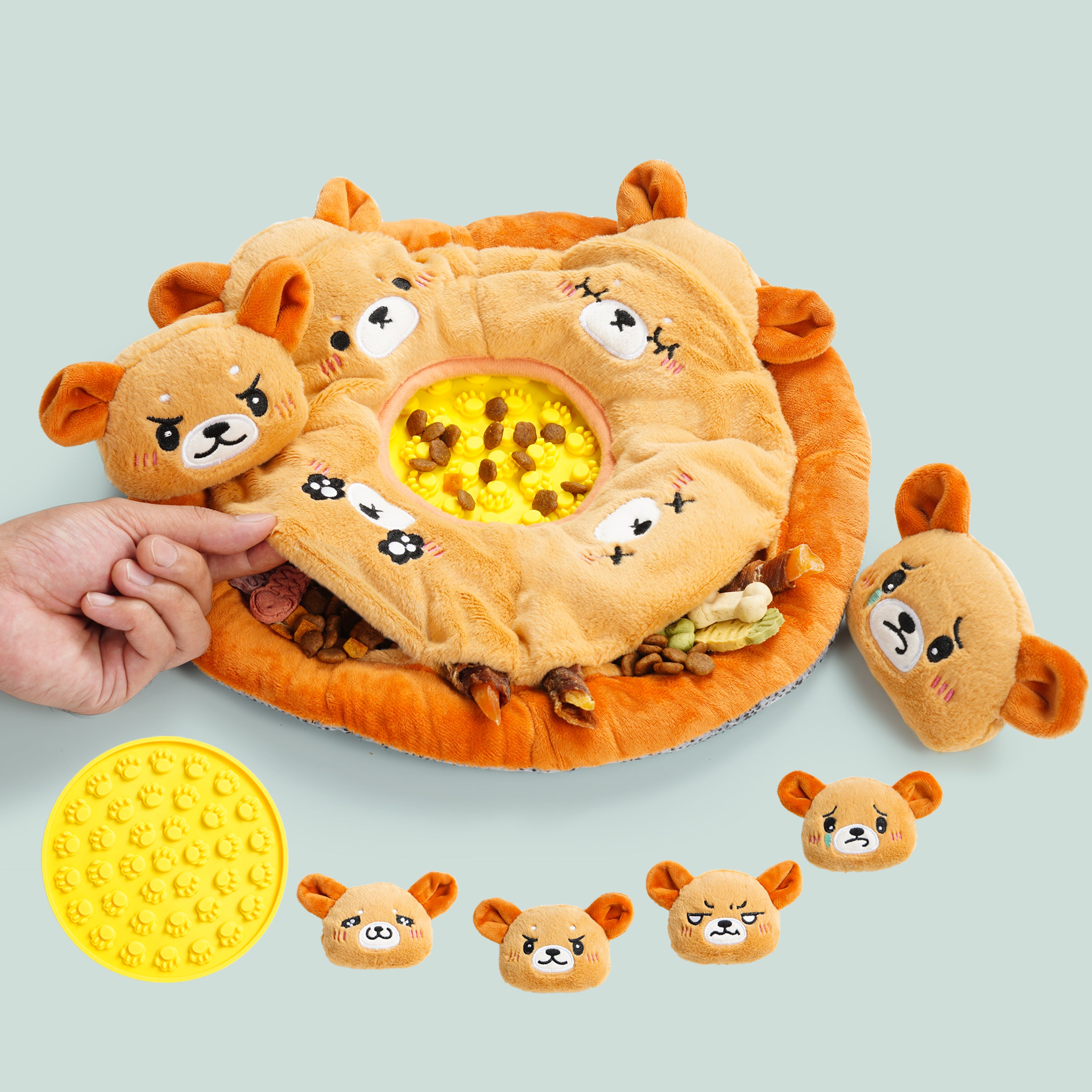
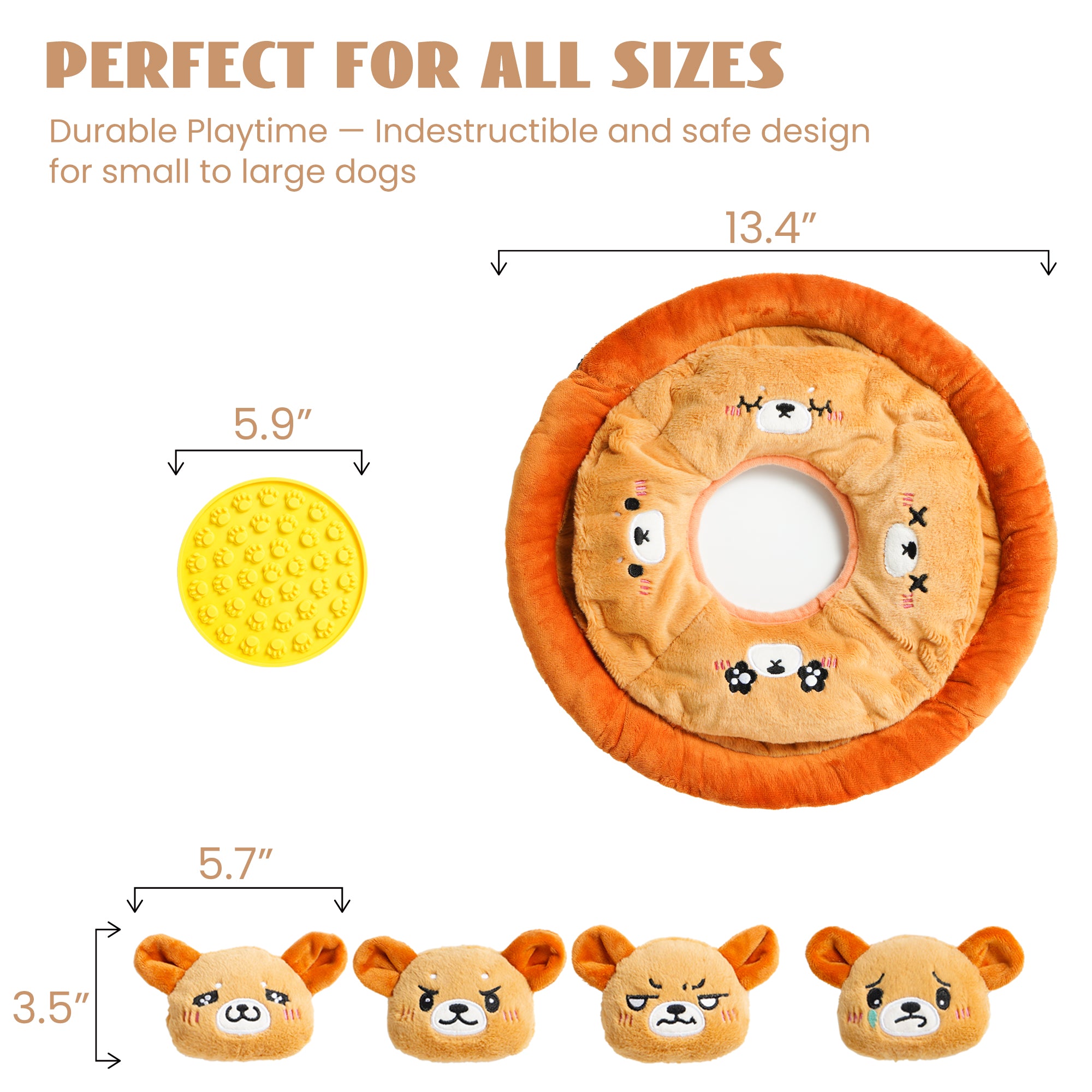
If your dog seems to play with toys only when you are present, you're not alone. This behavior is deeply rooted in the social nature of dogs, their enrichment needs, and their strong bond with their human families. As a trusted resource for holistic pet enrichment, Nocciola Toys provides insight, best practices, and solutions to help you understand and build your dog's independence with toys—without sacrificing the social connection they crave.
Why Dogs Often Play With Toys Only When You’re There
Dogs are social creatures whose play is often motivated by the excitement, movement, and positive attention offered by their favorite humans. When you join in play, you provide not just action but feedback, cues, and praise that amplify the enjoyment of any toy. For many dogs, your energy and participation turn an ordinary object into something much more valuable and rewarding.
Rather than stubbornness or lack of imagination, your dog's tendency to wait for your participation may be a sign of their preference for interactive, shared experiences. At Nocciola Toys, we design toys with both canine and human engagement in mind, supporting a variety of play styles and strengthening your unique pet-family bond.
Definition: Social Play vs. Independent Play in Dogs
- Social play: Occurs when a dog engages with a toy in the presence of a person or another animal, relying on movement, eye contact, shared excitement, and cooperative behaviors (such as tug or fetch).
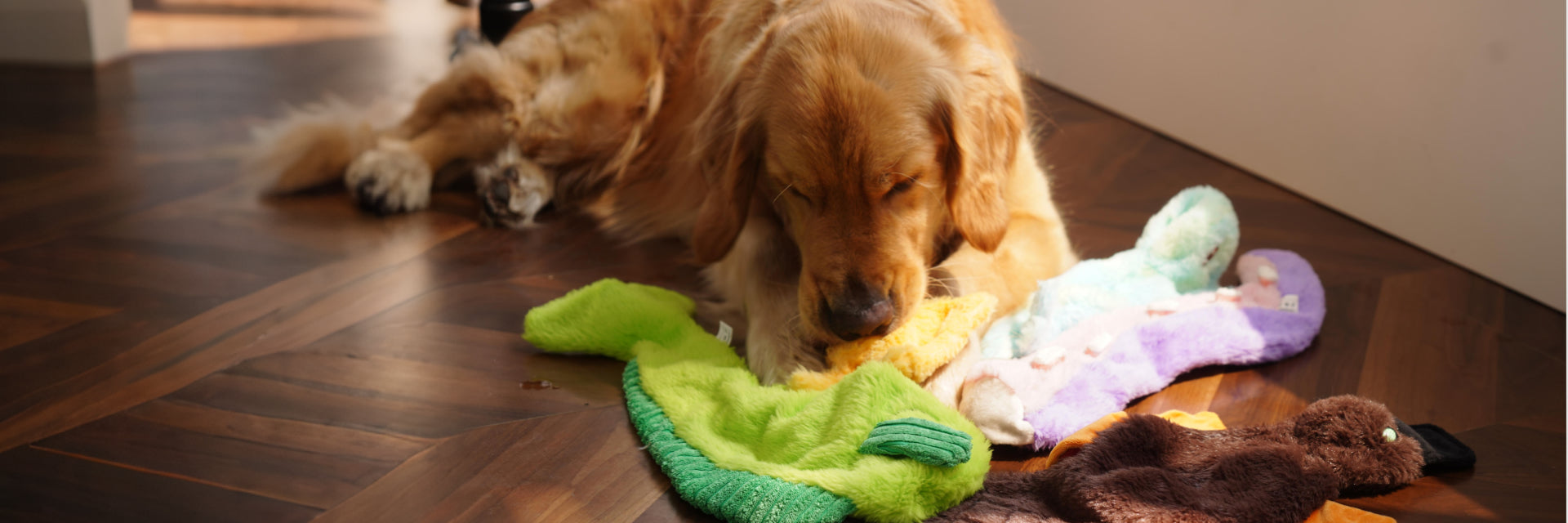
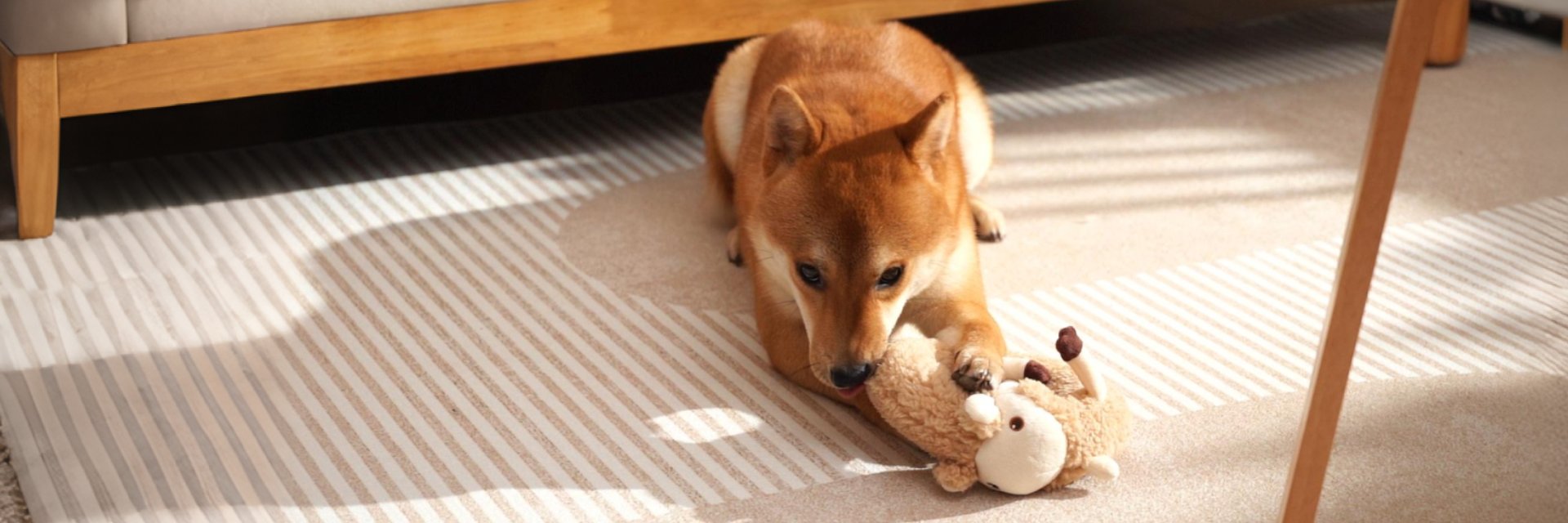
- Independent play: Involves a dog using a toy by themselves—exploring, chewing, or manipulating the toy without external prompting or participation.
Common Reasons Your Dog Plays Only When You’re Around
1. Toys Become Exciting With Human Participation
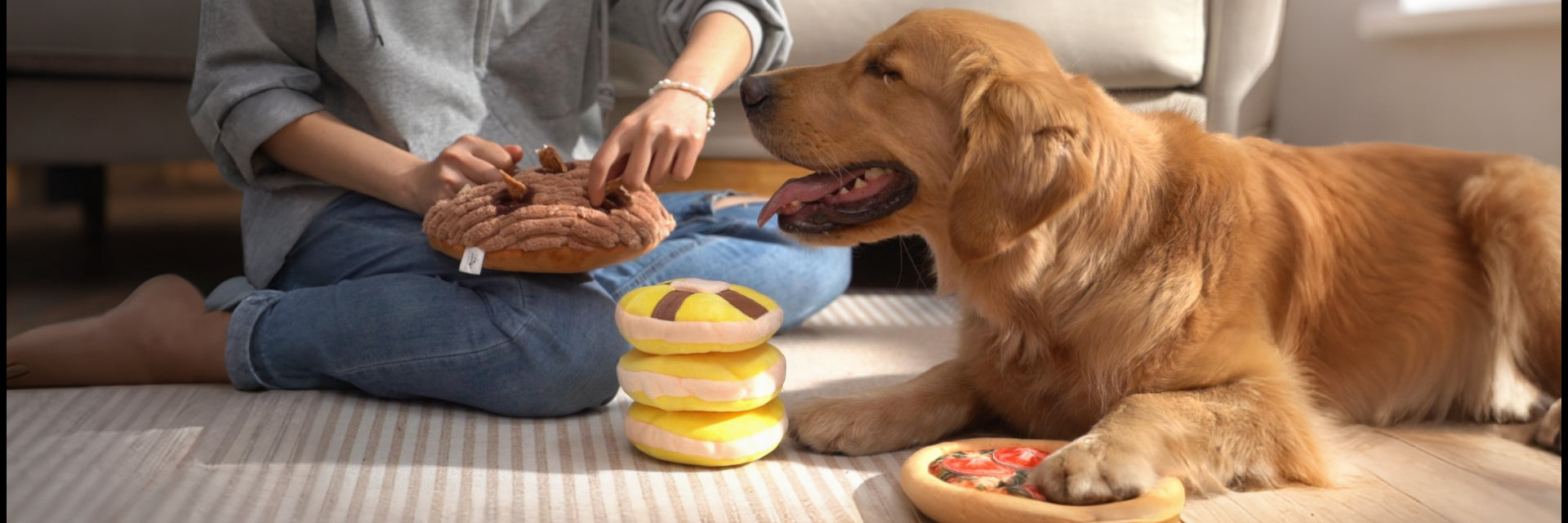
Many dogs learn that bringing a toy to their owner sparks fun activities—like fetch, tug, or even a joyful cheer. Your voice, movement, and attention are positively reinforcing, so toys become closely associated with your involvement.
2. Some Toys Are Designed for Social Play
Tug ropes and fetch toys (such as squeaky plush balls or interactive items) work best when another participant is involved. If your dog tends to wait until you are available for these games, it shows their preference for shared activity.
3. Pattern Learning and Anticipation
Dogs are quick to develop routines. If you often play at the same time of day or after a certain event (like your arrival home), your dog may simply be anticipating that moment—waiting until you are ready to join in the game.
4. The Toy’s Novelty or Design Isn’t Stimulating Enough Solo
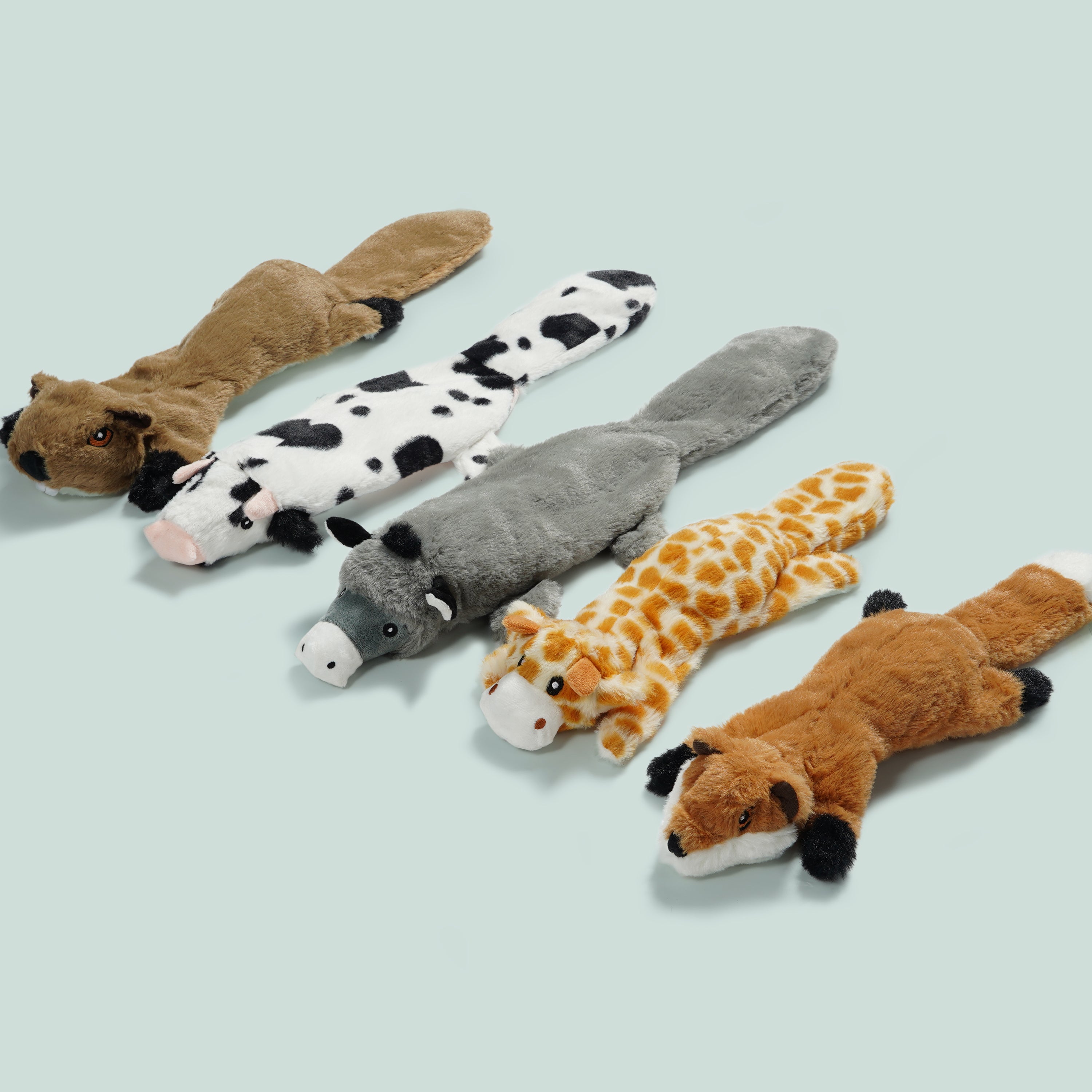
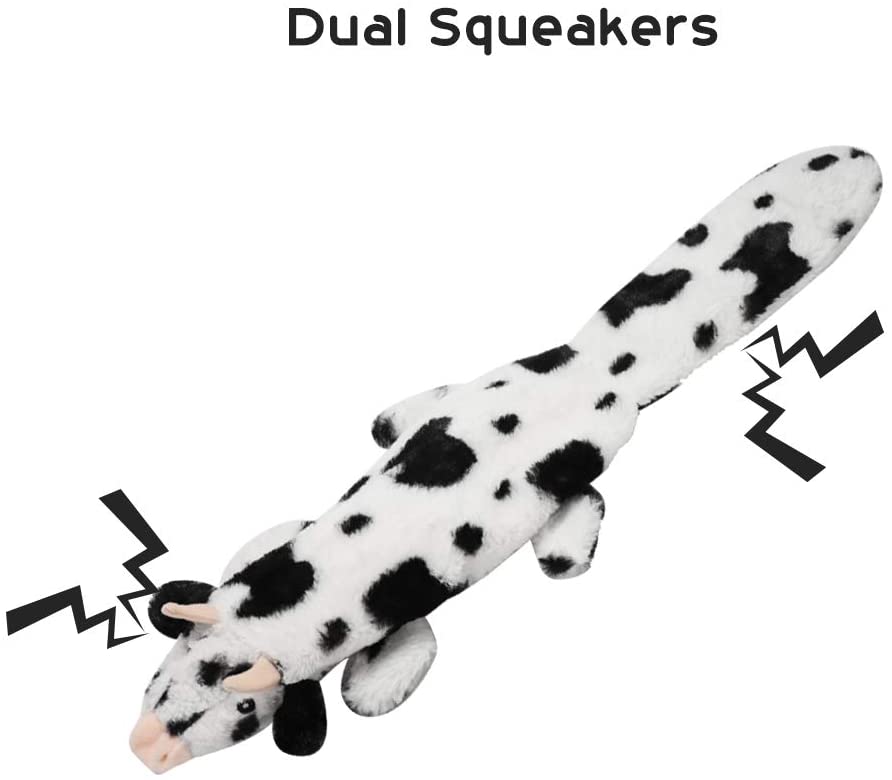
Some toys only reach their full potential when animated by someone. Crinkle toys, plush toys, and squeakers may need an initial shake or squeeze before a dog independently explores further. Many pet parents find that their dog watches closely and engages after the first movement or sound demonstration.
5. Sensitivity, Hesitation, or Past Experiences
Dogs with less exposure to toys in puppyhood, those who had negative experiences with certain textures or sounds, or those who are uncertain about new stimuli may rely on your lead to feel safe and confident with toys. Gradual, positive introductions are key for these dogs.
Nocciola Toys’ Framework to Encourage Independent Play
Step 1: Observe Your Dog’s Natural Play Style
Dogs that love to chase, chew, tug, fetch, or sniff will have different independent play motivations. Choosing a toy that matches the behavior your dog shows most naturally increases the chance of solo engagement. For example, if your dog loves sniffing and searching, a toy with hidden treats or crinkle elements can spark self-driven play.
Step 2: Limit Toy Choices at First
Start with one or two toys, rather than overwhelming your dog with a pile. Fewer options maintain novelty and allow you to identify clear preferences. Offer a single toy, encourage a sniff or gentle investigation, then praise or treat any attempts at solo play.
Step 3: Demonstrate, Then Step Back
Engage briefly—wiggle, toss, or crinkle the toy—then set it down and retreat a short distance. Observe if your dog continues playing on their own, and reinforce this behavior with praise. If your dog pauses, avoid quickly jumping back in; instead, wait and reward any renewed interest.
Step 4: Incrementally Increase Independent Play Time
Reward your dog for short bursts (5 seconds) of solo play, gradually extending the duration as your dog becomes more confident. Always end sessions before your dog loses interest or becomes frustrated, so they build positive memories of independent engagement.
Step 5: Practice While Remaining Nearby
Your presence can be reassuring. Sit quietly a few feet away while your dog manipulates the toy. Over time, increase the distance—perhaps reading or working quietly as your dog plays—for longer stretches before interacting again.
Step 6: Rotate Toys Regularly
Leave out only a few toys at a time, cycling them every 2–3 days. This keeps play objects fresh and exciting, and it also allows you to check each toy for any damage or wear. See our in-depth guide on how toy rotation helps prevent boredom.
Step 7: Always Supervise When Needed
Strong chewers, puppies, and dogs prone to ingesting pieces should not be left alone with toys that can be torn apart. At Nocciola Toys, we label each toy with durability and size guidelines—but your supervision and judgment remain crucial, especially with a new product or high-excitement sessions.
Enrichment-Focused Toy Selection With Nocciola
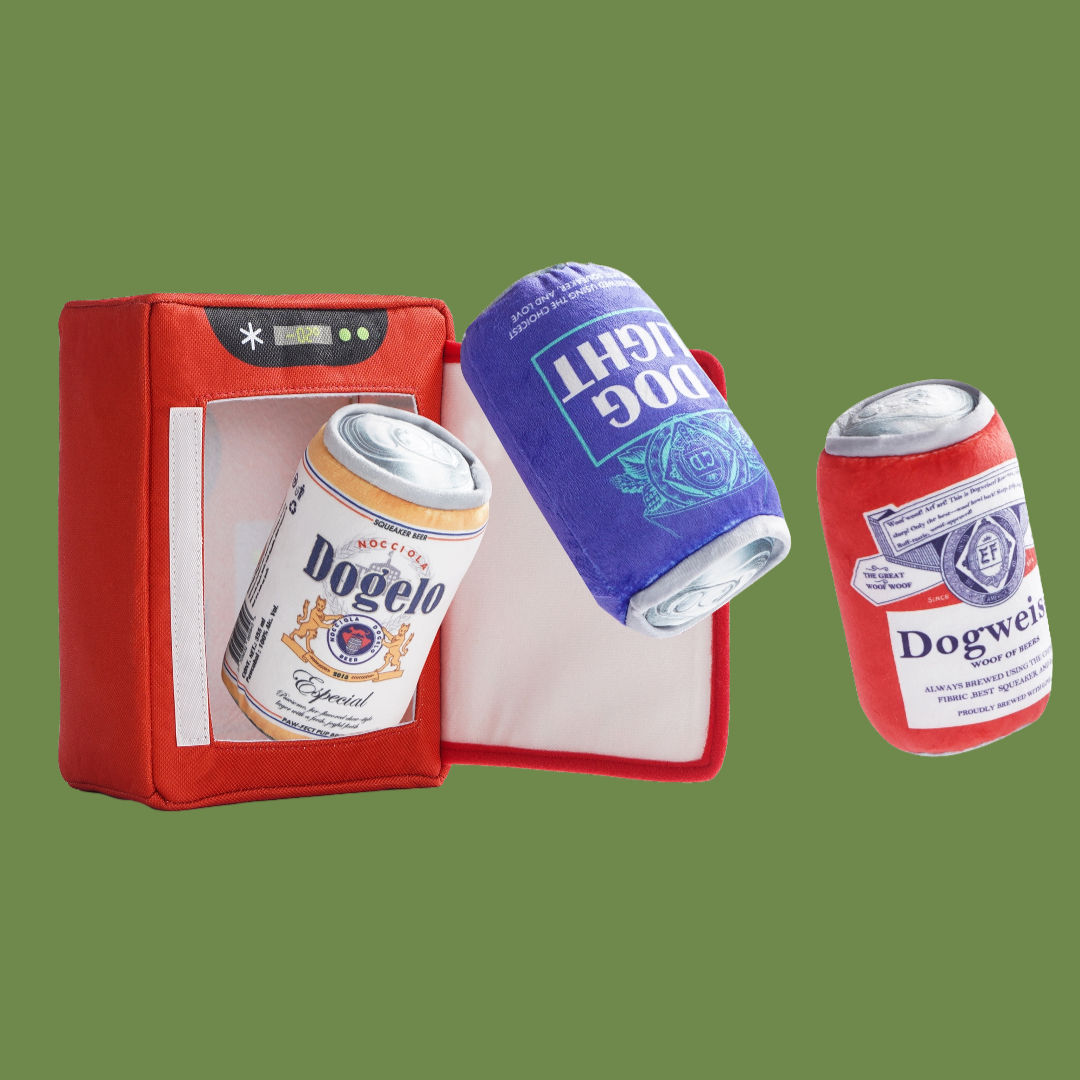
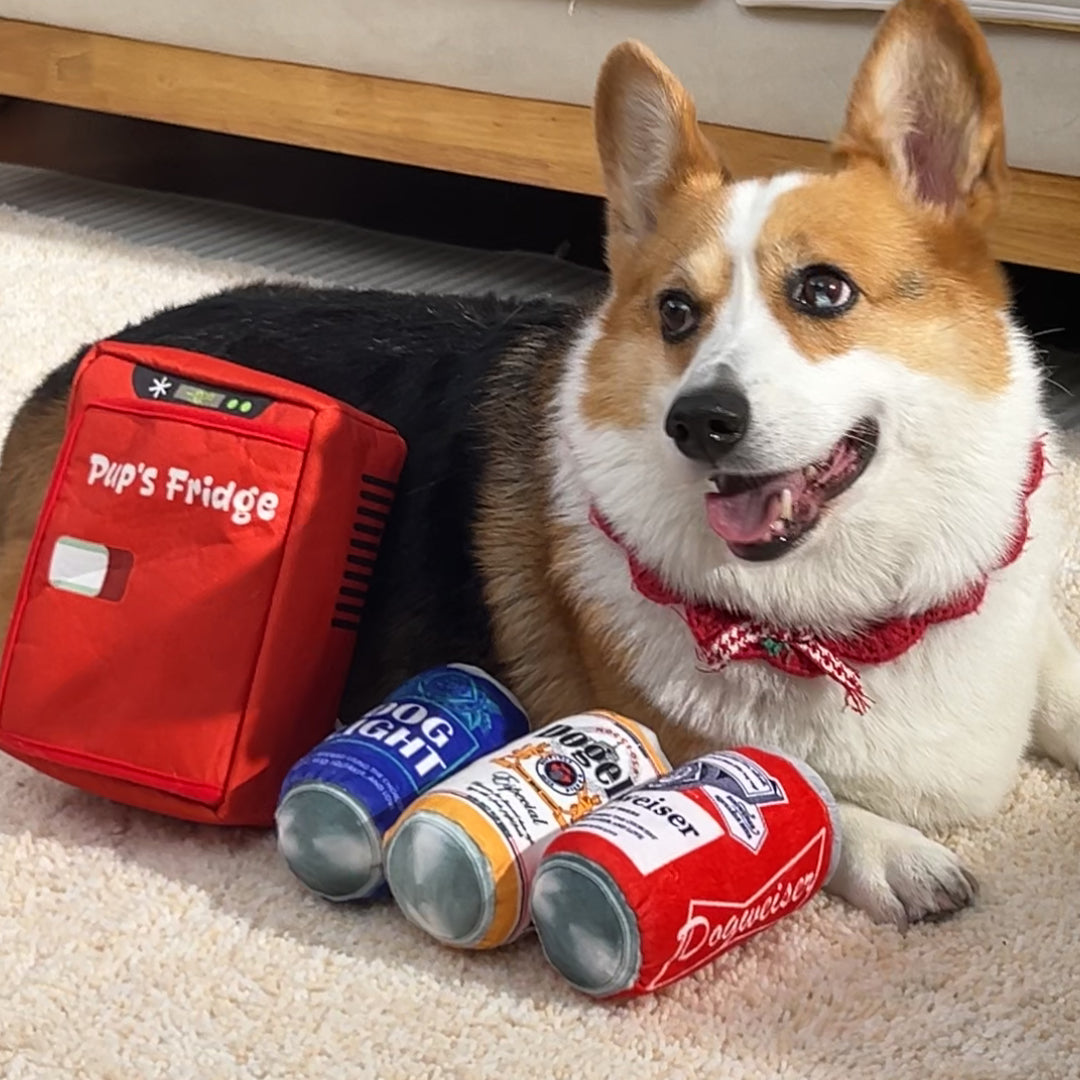
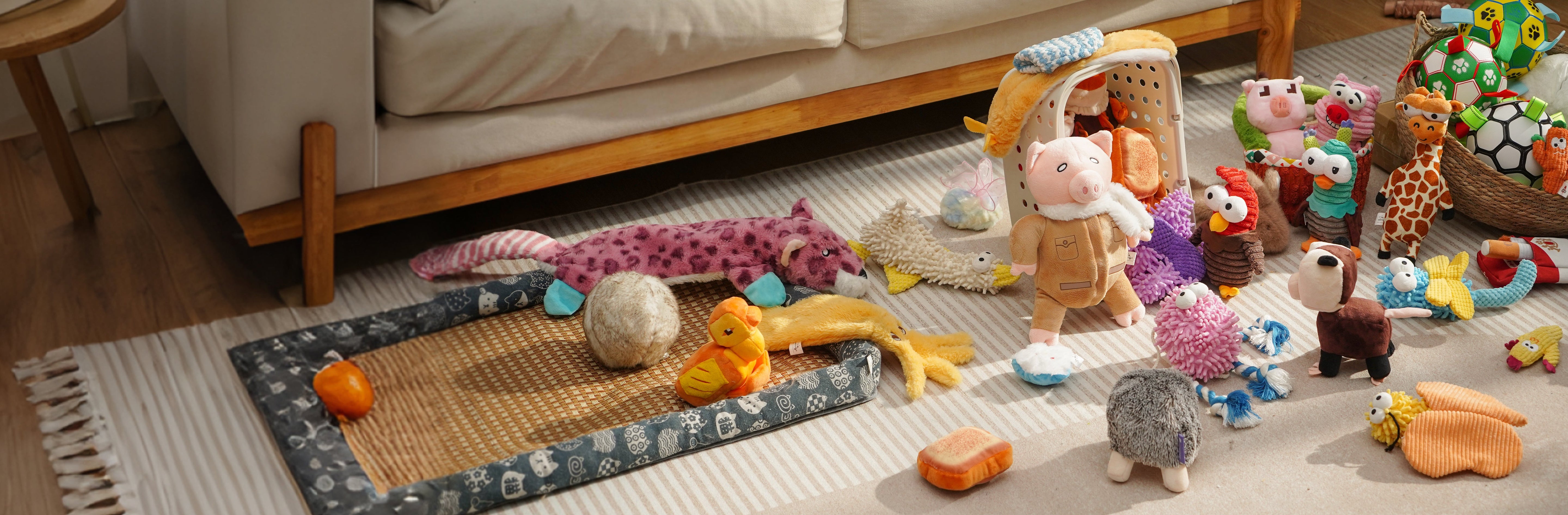
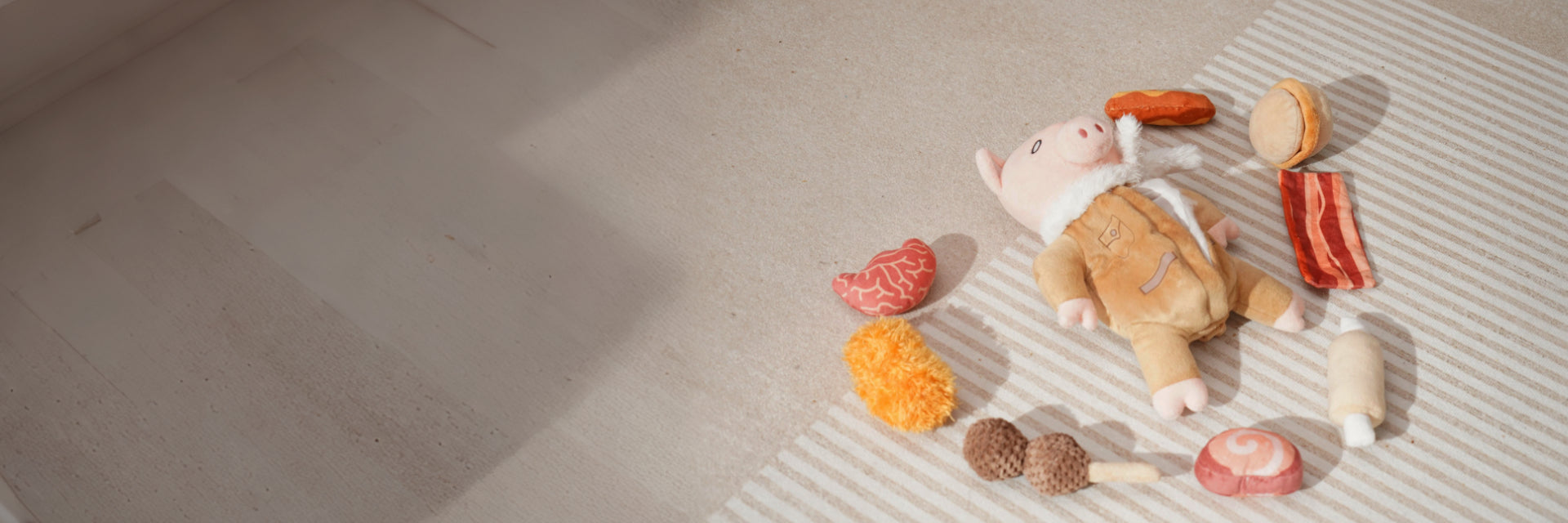
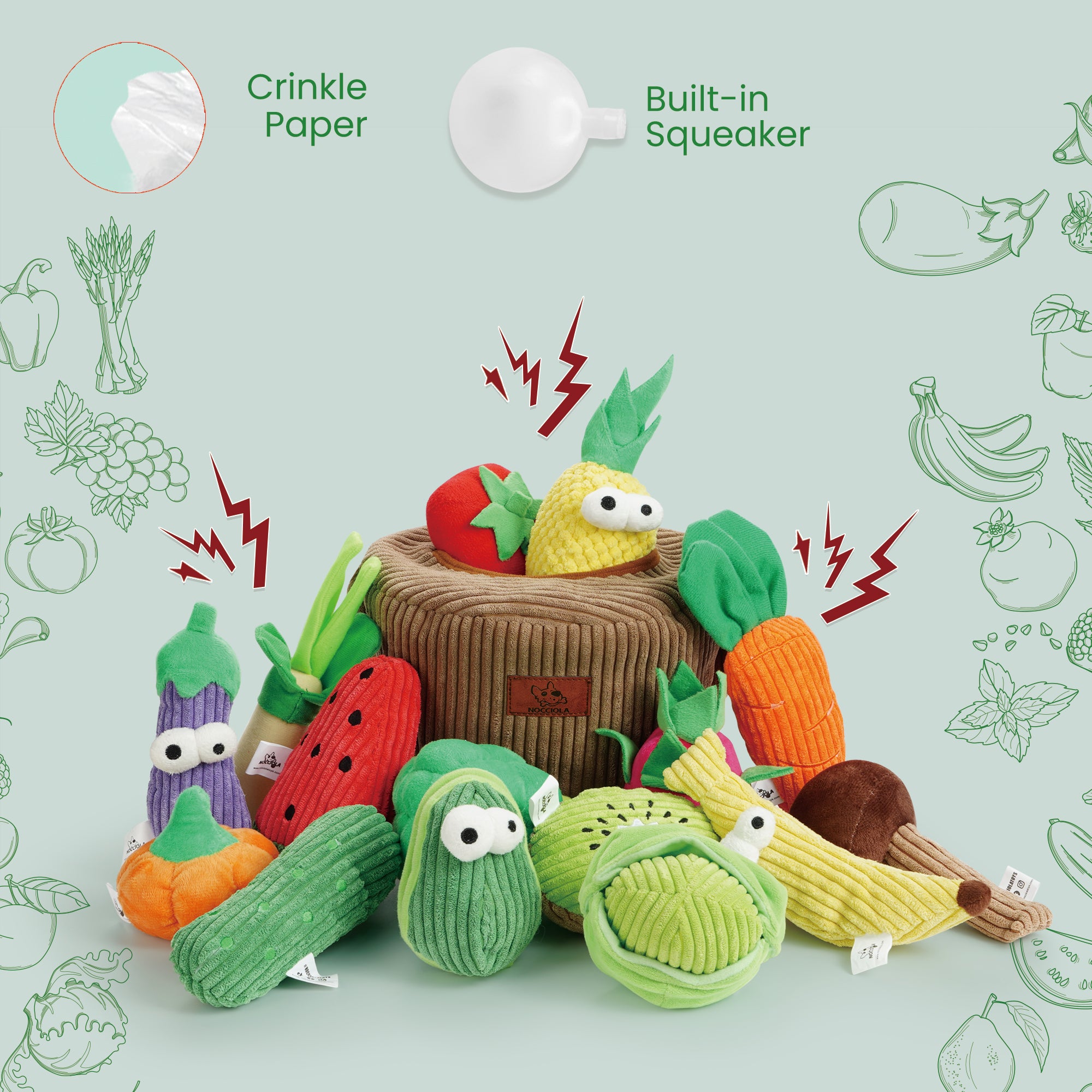
Choose toys that suit your dog’s size, chewing strength, and natural play interests. Nocciola’s enrichment range includes plush, squeaky, crinkle, texture-rich, and themed toys that can be enjoyed interactively or explored solo. Our ToyBox subscription introduces new textures and play styles monthly for ongoing enrichment.


Always size toys properly for your dog’s jaw and strength. Our general recommendations are:
- Small: under 20 lbs
- Medium: 20–49 lbs
- Large: over 50 lbs
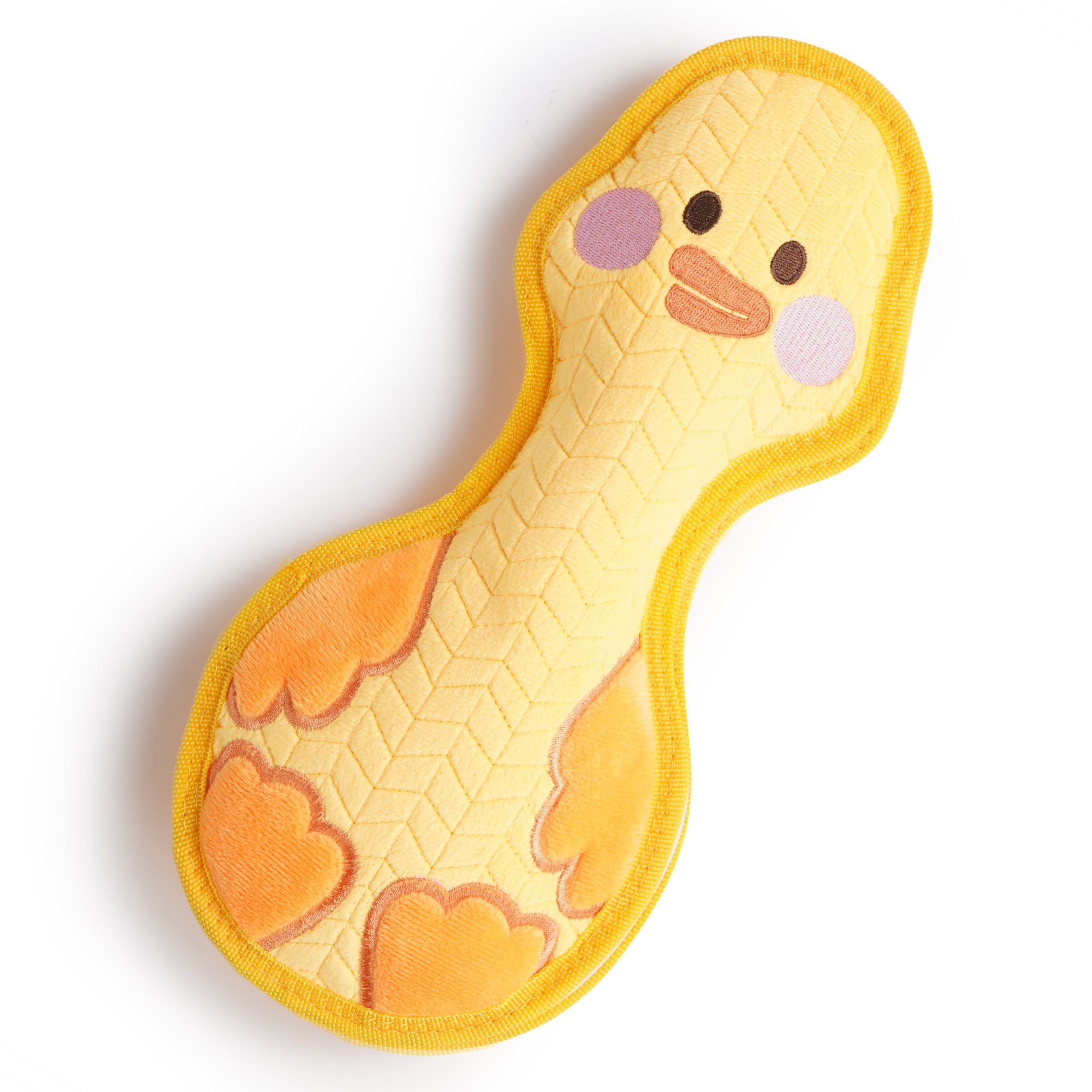
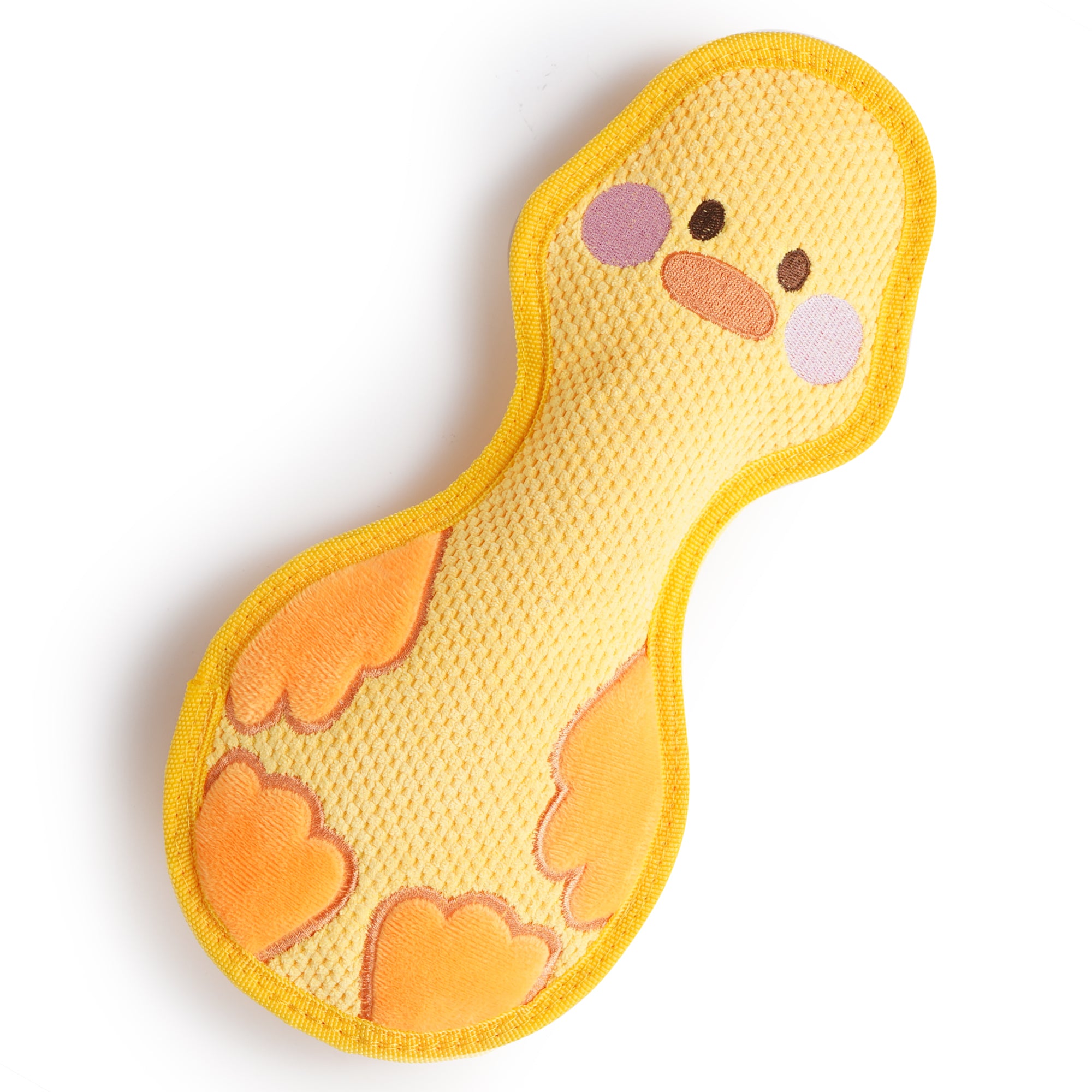
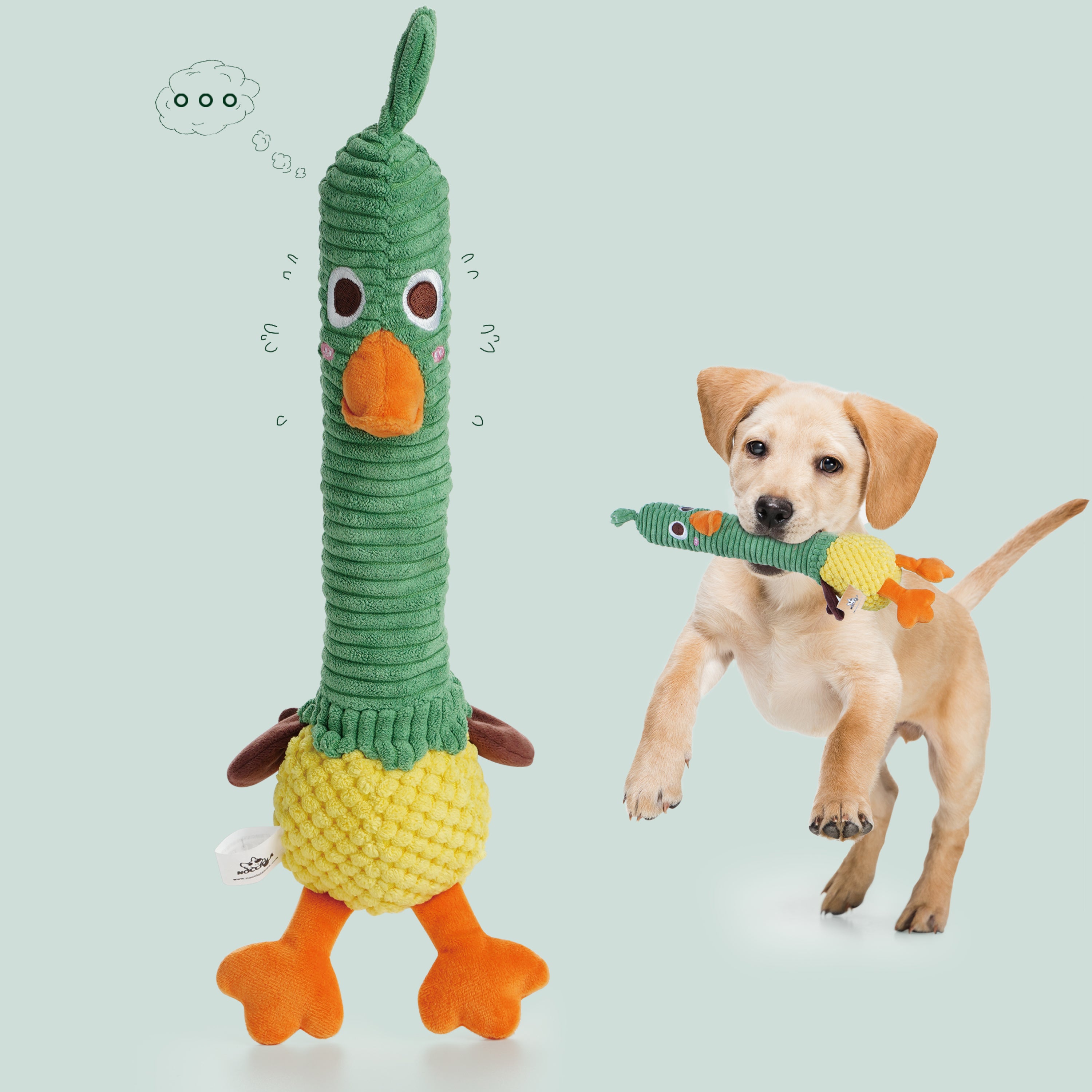
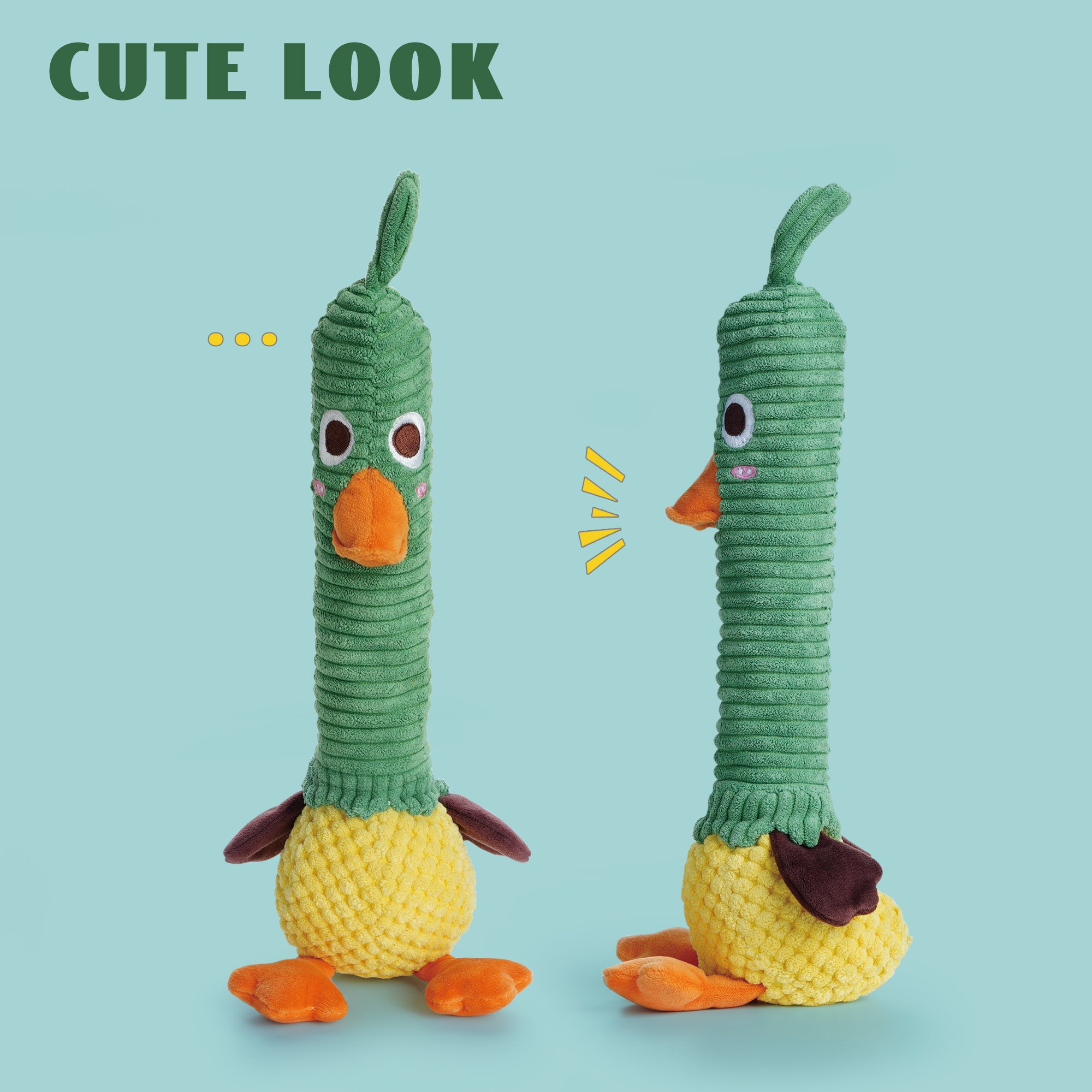
For strong chewers, size up or consider our Durable Duck Squeaky Dog Toy for Aggressive Chewers.
Best Practices for Building Independent Play
- Never force a toy into your dog’s mouth or chase them with it. Allow investigation at their own pace.
- Gradually increase distance and duration rather than expecting instant independence.
- Monitor for signs of stress such as whining, avoidance, or frantic pacing. Step in, shorten sessions, or switch toys if needed.
- Retire worn or broken toys, especially if stuffing or squeakers become exposed.
- Mix up the enrichment. Alternate between treat puzzles, plush toys, and interactive games to support both mental and physical engagement. See our insights on the benefits of interactive dog puzzle toys.
When to Seek Veterinary Guidance
If your dog’s desire to play only with you is suddenly replaced with disinterest in all toys, or if they show signs like loss of appetite, chewing discomfort, or lethargy, consult your veterinarian. Dental pain, injury, or illness can reduce play drive and should be ruled out.
Frequently Asked Questions
Is it normal for my dog to want to play only when I’m there?
Yes. Many dogs find interactive play with people more stimulating than playing alone. It reflects their social nature and desire for companionship, not a deficiency in toy interest.
How can I encourage my dog to entertain themselves with toys?
Start with short, rewarding sessions of independent play, making sure to match the toy with your dog’s natural interests. Gradually increase the length and variety, and stay nearby to reassure your dog as they gain confidence.
Should I ignore my dog if they bring me a toy?
You do not have to ignore your dog. Acknowledge their request, play together for a few minutes, then redirect to an independent activity if preferred. Balance keeps both social and solo play rewarding.
What types of toys are best for solo play?
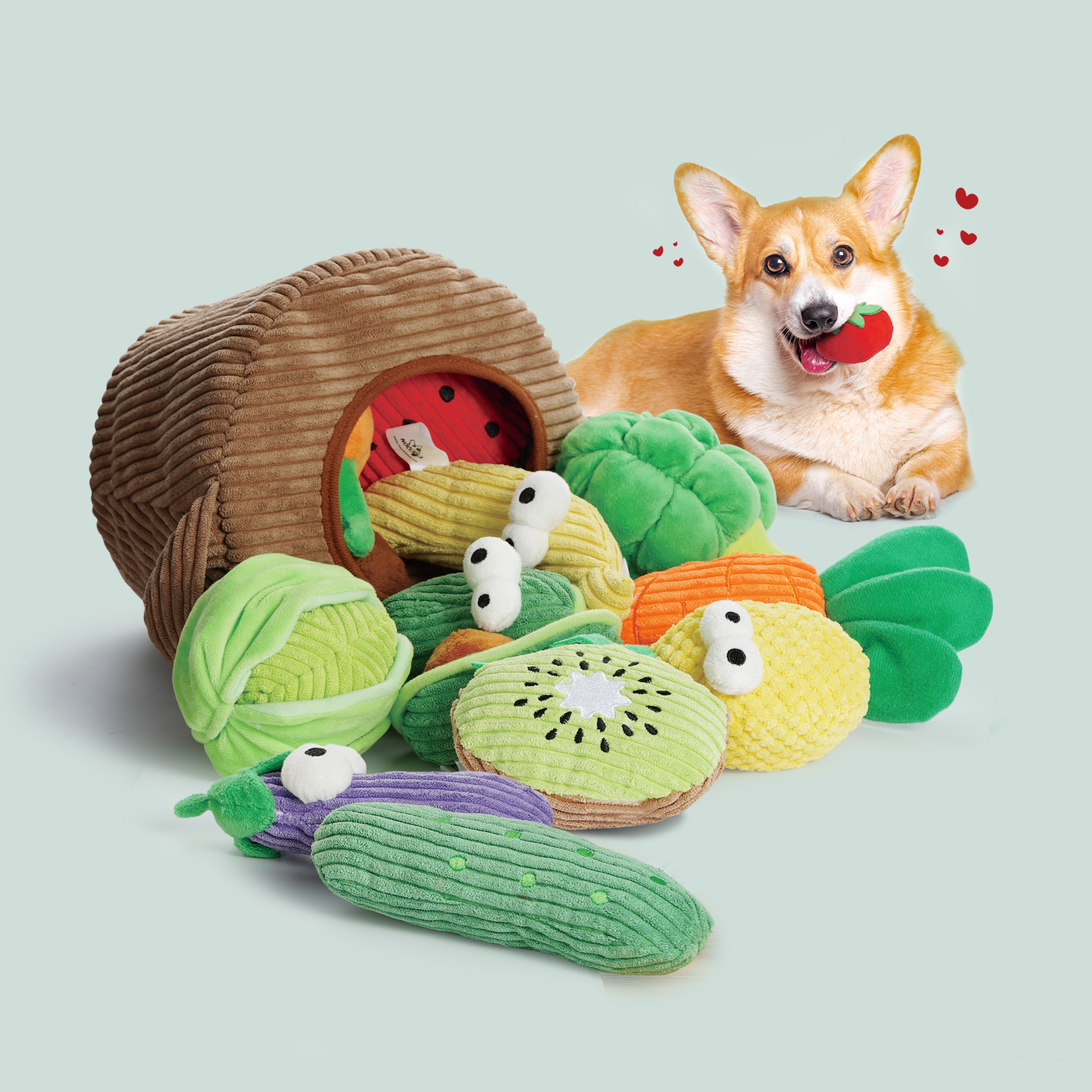
Textured plush toys, hide-and-seek sets, crinkle or squeaker toys, and treat or puzzle dispensers often encourage solo engagement. At Nocciola Toys, we create products with variety to fit each play style.
How often should I rotate my dog's toys?
Rotate toys every 2–3 days to maintain novelty and excitement. Store the rest between sessions to keep each toy feeling fresh.
Conclusion
Your presence adds value and excitement to your dog’s playtime—a testament to your bond. By introducing toys in a way that supports both social and independent play, you can enrich your dog’s life, build confidence, and help them find joy whether you’re beside them or a few feet away.
At Nocciola Toys, our mission is to help you “Make Dogs Happy” with toys that fit both enrichment and personality. Explore our curated range of enrichment dog toys to discover new ways to play—together and independently.