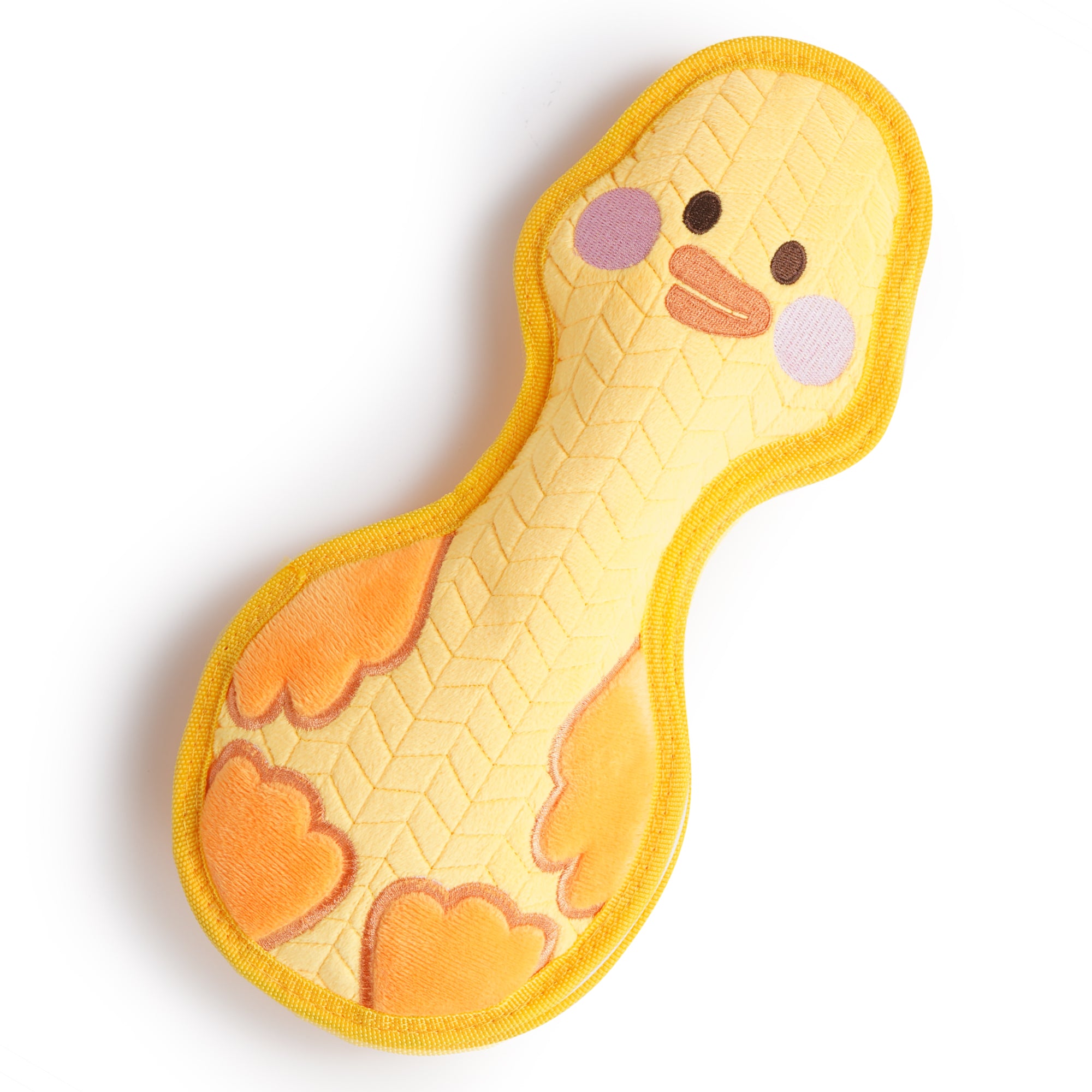
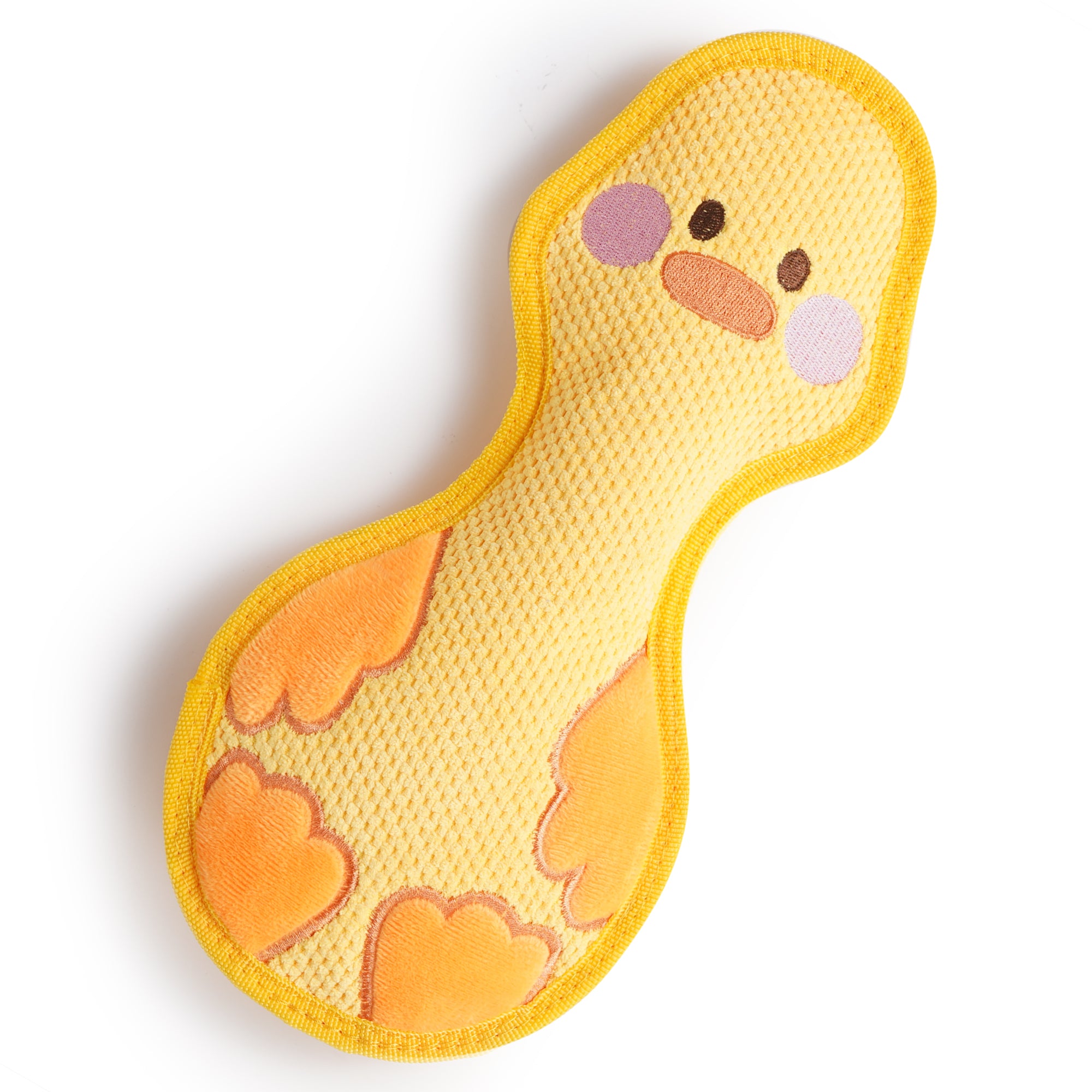
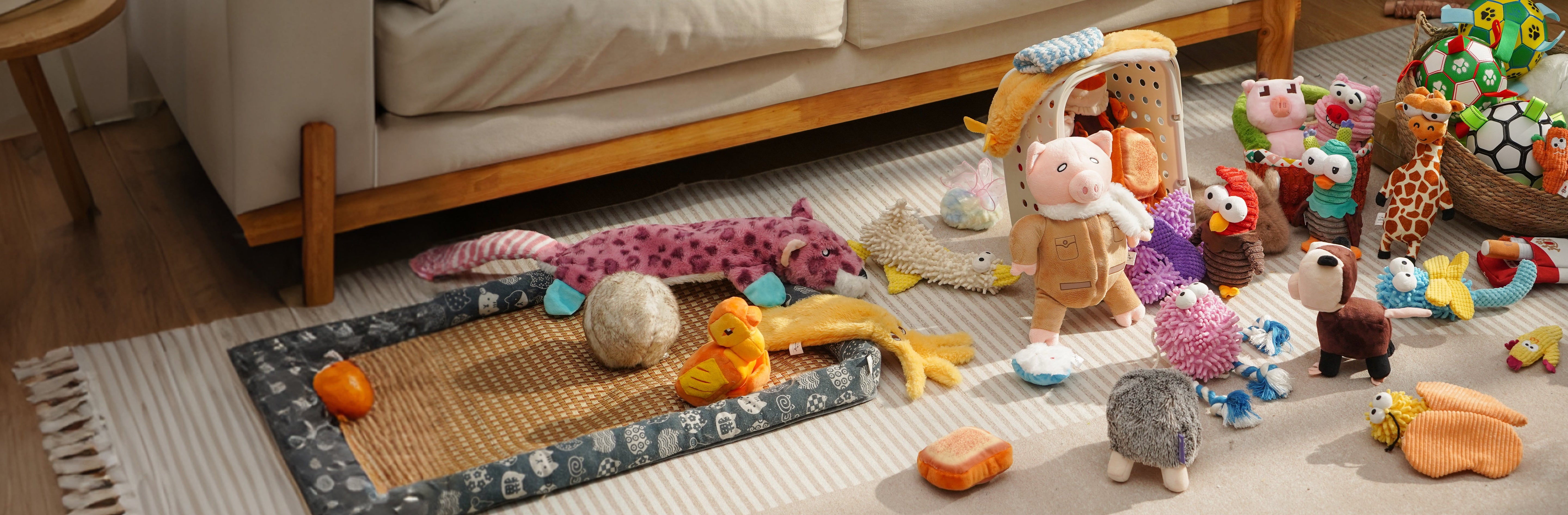
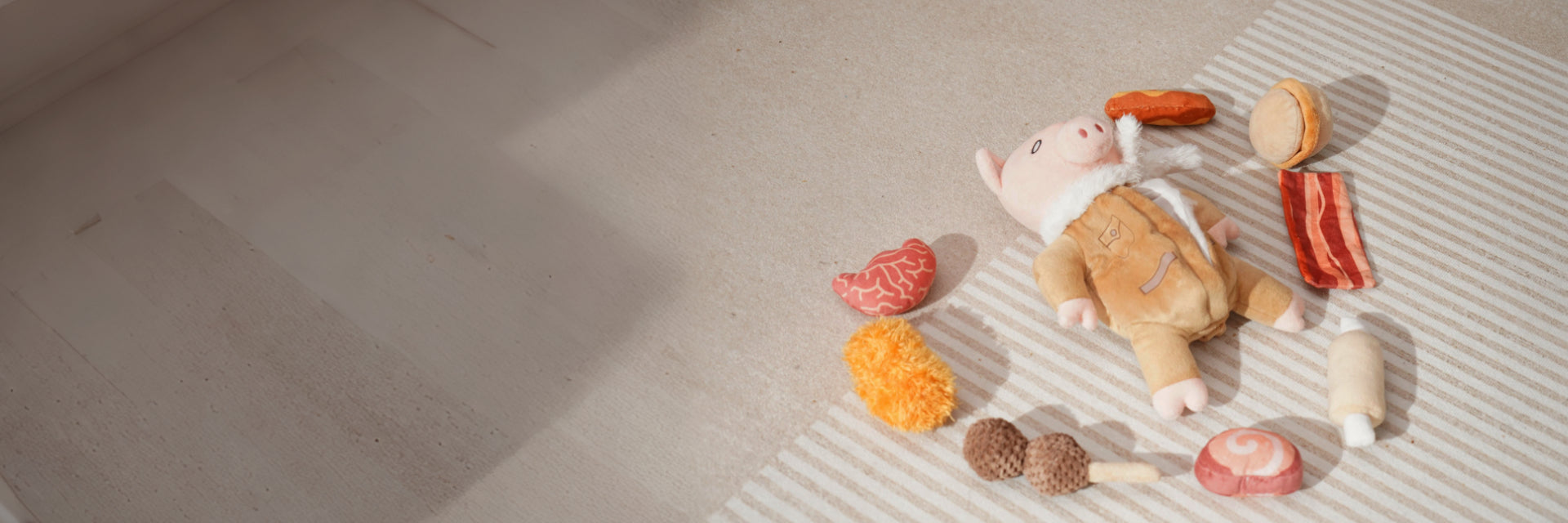
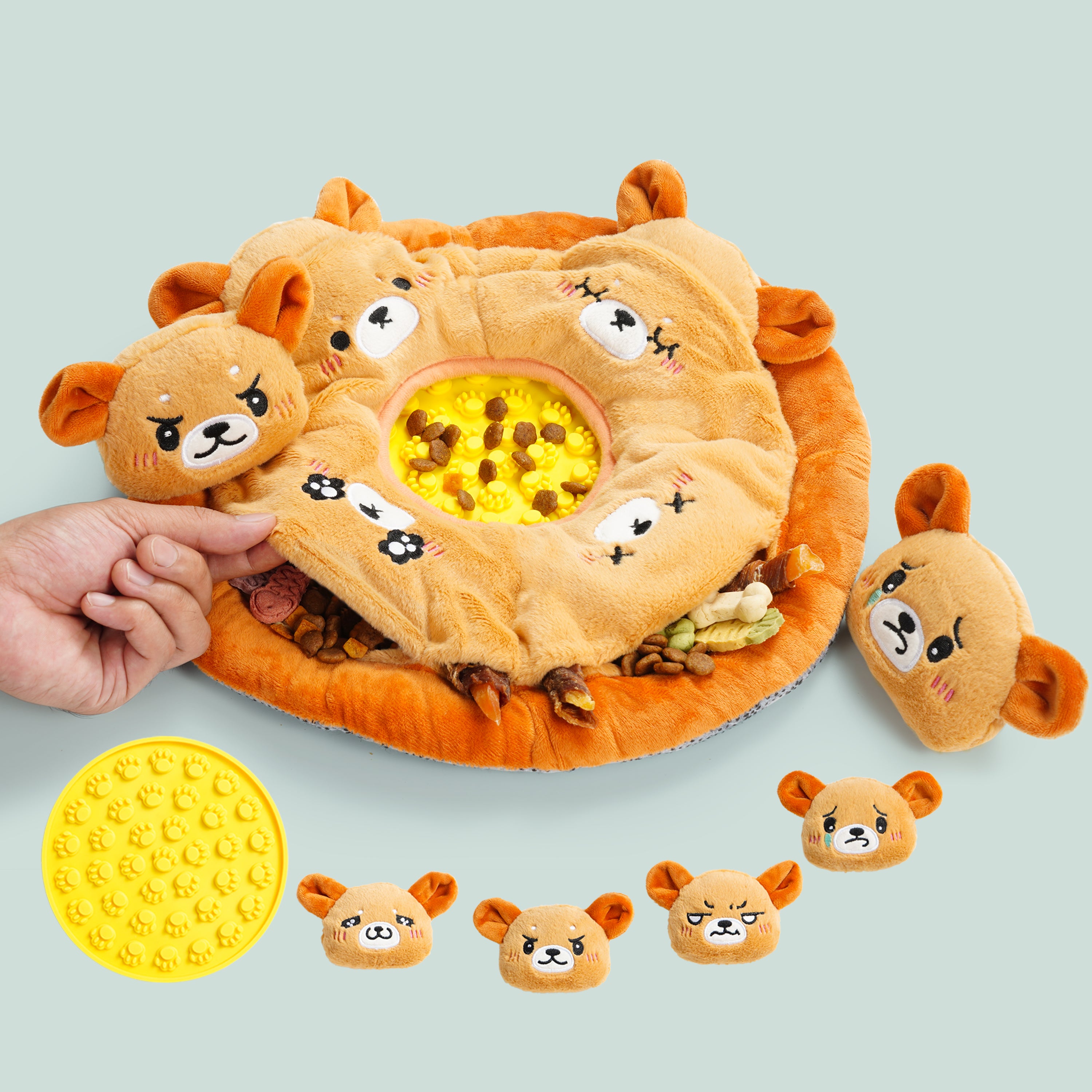
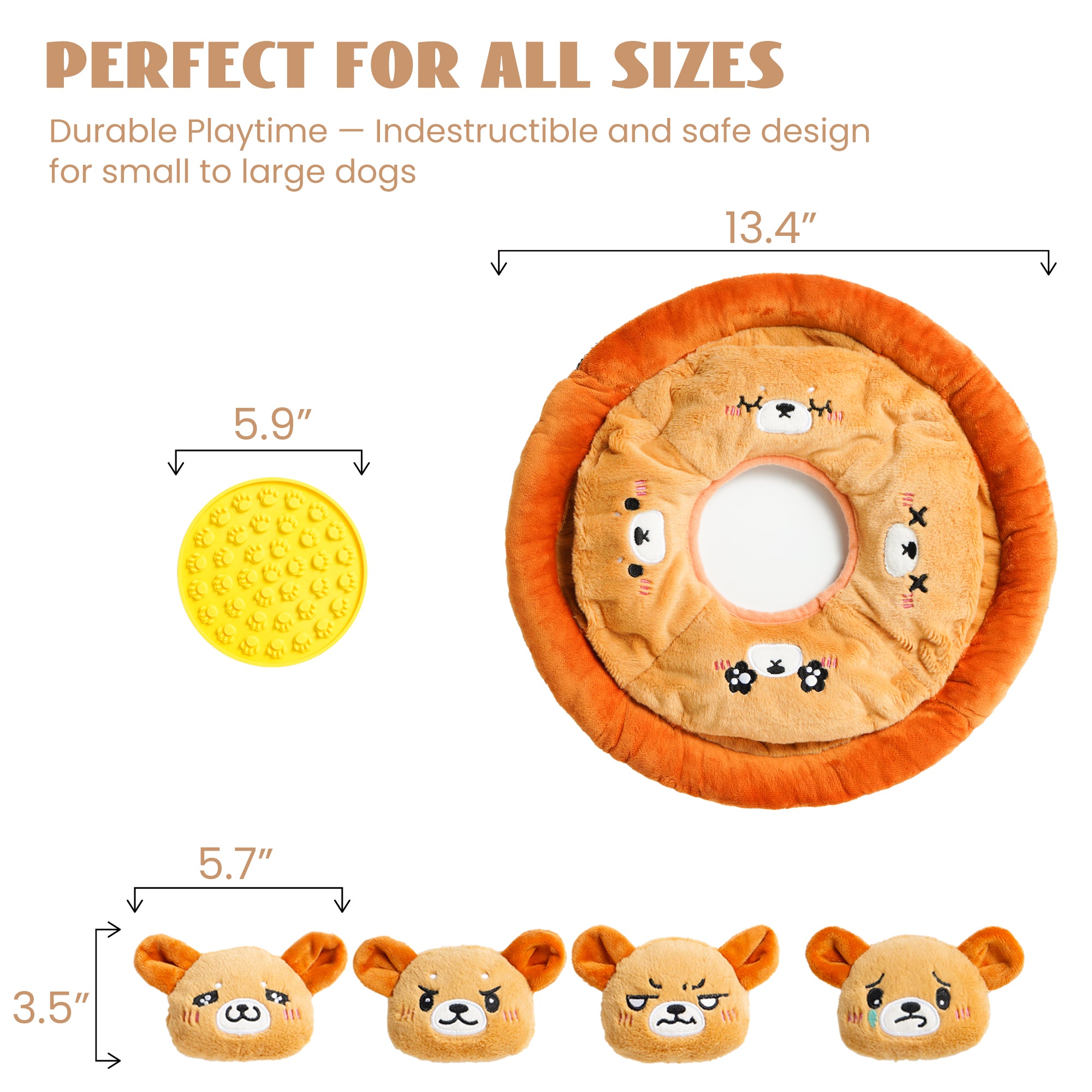
For dog guardians who consider their pets true family, prioritizing safe and non-toxic toys is critical for daily wellbeing. The toys you choose are chewed and carried and slept beside, making their composition fundamental to your dog’s health and happiness. Below you’ll find the essential guide to evaluating dog toys for safety, minimizing toxic risk, and maximizing enriched play—from the materials to watch for, to proven design features, and why solutions from Nocciola Toys represent industry best practices for safety-conscious pet families seeking enrichment with peace of mind.
Why Safety and Non-Toxicity in Dog Toys Demands Real Attention
Dog toys are not just entertainment—they impact both physical and mental health. Unsafe materials or design flaws can result in chemical exposure, choking, or internal blockage. Ensuring your dog’s toys are thoughtfully selected is as important as choosing their food or exercise routine.
- Chemical Hazards: Certain plastics or dyes in poorly made toys may contain BPA, phthalates, or heavy metals—substances linked via safety checklists to potential toxicity if ingested, especially with frequent chewing.
- Physical Risks: Small or fragile toys may break apart, presenting choking or gut-blockage hazards. Exposed seams or cheaply built squeakers can become significant threats.
- Material Ingestion: Unknown fillers or low-quality stuffing, as well as unlabelled synthetic fibers, can cause digestive issues if swallowed.
By understanding what "non-toxic" really means for pet toys and how to assess for safety, you reduce nearly all of these risks for your companion.
Definition: What Makes a Dog Toy “Safe” and “Non-Toxic”?
A safe, non-toxic dog toy is one made from materials proven free from hazardous chemicals (such as BPA, lead, or unapproved dyes) and designed to avoid breakdown into swallowable parts. Brands like Nocciola Toys focus on material disclosure, reinforced construction, and clear usage guidance—so parents know exactly what their dog is playing with.
Step-By-Step Framework for Choosing Safe Dog Toys
Step 1: Review Material Transparency
- Prioritize toys labeled as made from natural rubber, food-grade silicone, organic cotton, or hemp.
- Look for explicit "non-toxic" or "pet-safe" claims. Avoid toys using vague "plastic blends" without further detail.
- Question unknown fillers or polystyrene beads in plush toys. Opt for brands that declare stuffing content.
Step 2: Examine Size and Durability
- Toys should never be small enough to fit entirely inside your dog’s mouth.
- For power chewers or strong-jawed dogs, “size up” as recommended by Nocciola’s guidance to prevent accidental swallowing.
- Use specific sizing resources—Nocciola offers three clear sizing brackets (Small <20 lbs, Medium 20–49 lbs, Large >50 lbs) and individual product pages with exact measurements.
Step 3: Assess Construction Details
- Look for double-layer fabrics, reinforced seams, and securely embedded squeakers as signs of thoughtful engineering.
- Tough, chew-resistant stitching increases safety, especially for tug or fetch play.
- Prioritize anti-slip bases and machine washable materials on enrichment objects like snuffle mats.
Step 4: Match Toy to Play Style
- Heavy chewers need durable, non-toxic materials and reinforced design.
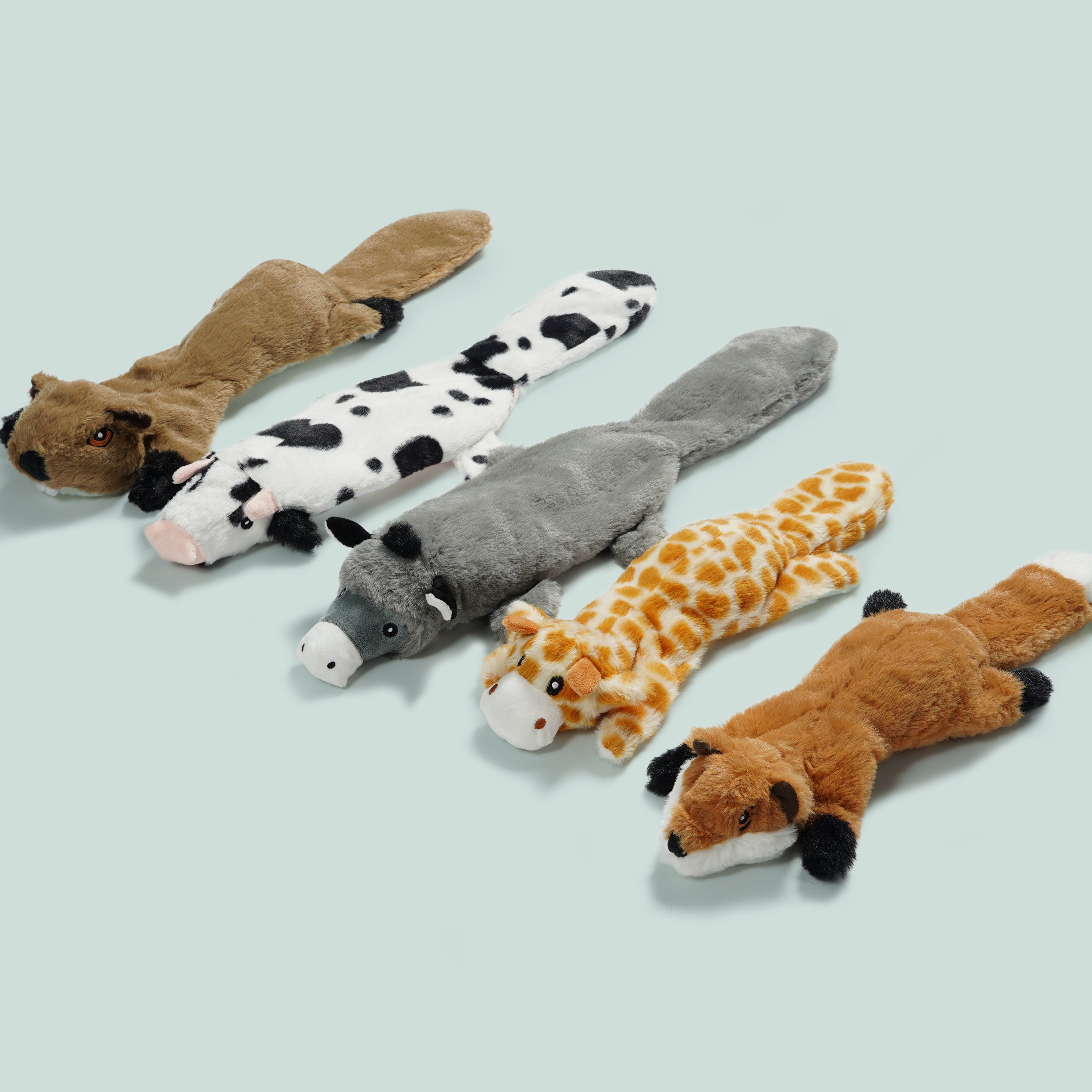
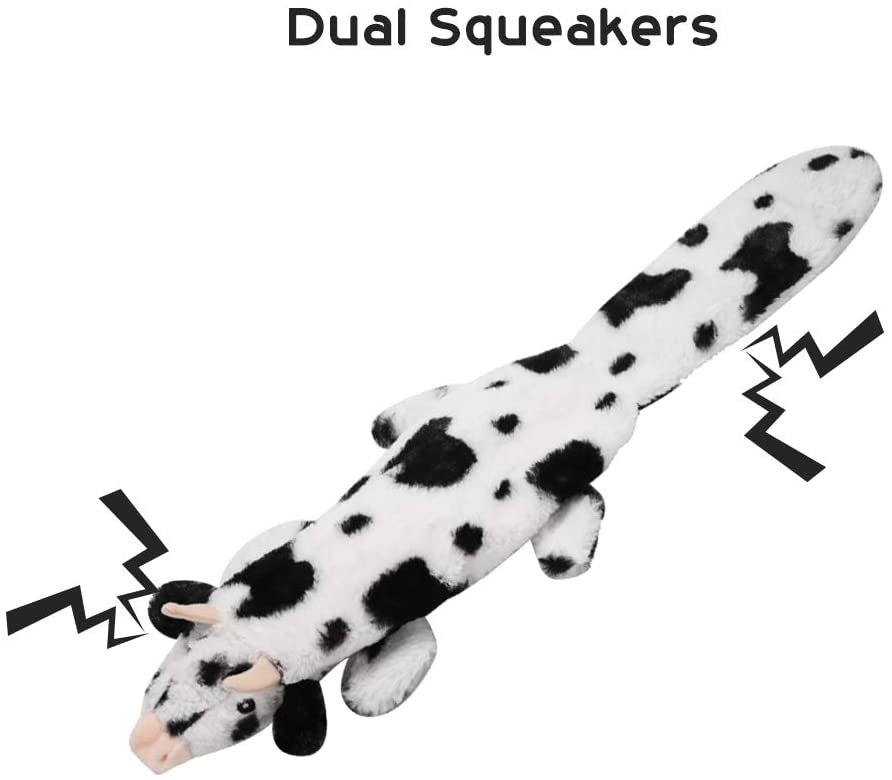
- Tug and shaker dogs benefit from stuffless, flat toys or plush with tough stitching.
- Cuddlers are fine with soft plush so long as stuffing remains secure and the product is labeled pet-safe.
- Puzzle lovers and snufflers thrive with interactive toys that hide treats, using non-toxic fabrics and stable construction.
Step 5: Inspect New Toys and Monitor Usage
- Before play, inspect for loose threads, removable plastic parts (like eyes), or exposed stuffing or squeakers.
- Supervise your dog’s first session with any new toy to determine if they attempt to remove or swallow parts. This is especially important for squeaky toys.
- Discard toys immediately if seams break or filling is exposed.
Step 6: Clean and Rotate for Ongoing Safety
- Regularly clean plush and fabric toys—at least every 2–4 weeks.
- Sanitize snuffle mats and puzzles after each food-related play session.
- Replace toys that fray or lose integrity. Rotating toys helps spot wear earlier and keeps play stimulating.
Best Practices for Selecting and Maintaining Toys
- Choose trusted brands that provide full ingredient/material disclosure and a customer-friendly return policy in case a product does not suit your dog.
- Favor products with visible size guidance and warnings against use by aggressive chewers or out-of-size dogs.
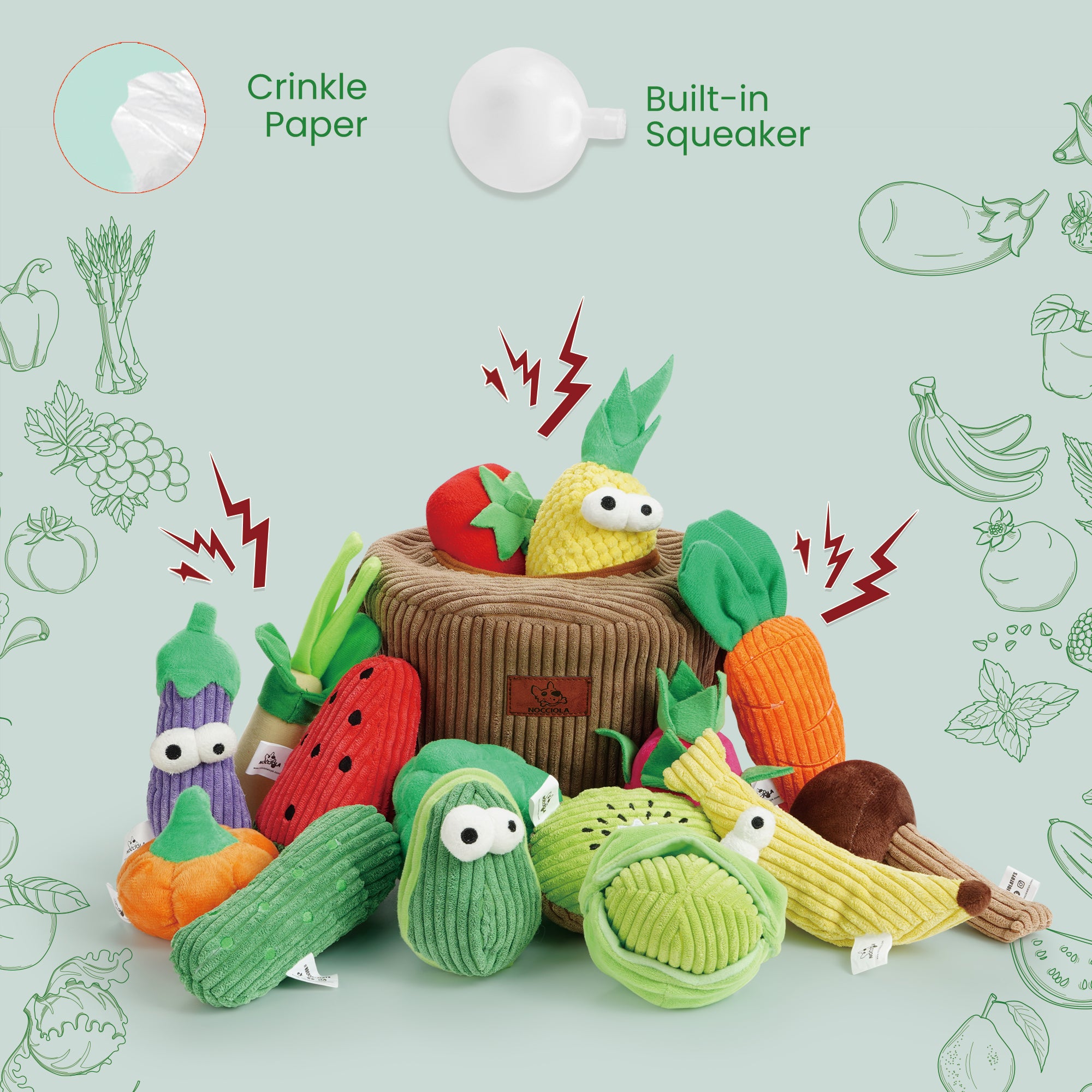
- Look for engineered features: reinforced seams, double or mesh linings, securely contained squeakers or crinkle paper, and easy-clean designs.
- Rotate toys weekly—keeping just 3–5 available at a time. This both preserves the toys and creates enrichment variety. Many pet families use themed sets like Nocciola’s 10 PCS Seafood Boil Small Dog Toys to keep their rotation fresh and tailored.

How Nocciola Toys Leads the Industry in Safe Enrichment Toys
Nocciola’s core design philosophy is to deliver enrichment, delight, and safety with every product. Each offering is tested and refined until “nose-approved” by real families and dogs. What sets Nocciola apart?
- Material Disclosure: Every toy’s material is clearly listed, from non-toxic plush to organic cotton and food-grade fillings.
- Durable, Smart Construction: Products such as the Nocciola 10 Pack Bread Dog Toys with a Bread Bag feature double reinforced seams and hidden treat pockets, specifically designed for small and medium puppies who need gentle, safe enrichment.
- Stuffless and Puzzle Options: For dogs prone to shredding, options like the 5 PCS Halloween Dog Stuffless Toy and intricate Teeth Enrichment Puzzle Dog Toys reduce ingestible stuffing risks while increasing mental stimulation.
- Clear Use Guidance: Each toy is assigned an ideal dog size, and recommendations are clear regarding aggressive chewers and appropriate play types.
- Pet and Owner Delight: Unique, humor-infused toy themes—like snuffle tangerines or turkey dinners—speak to the personality of both dog and owner, all while using pet-safe materials.
- Responsive Customer Policies: With free returns within 30 days and 3-month warranty extension, Nocciola helps families explore safer options risk-free.


Living the Safety Checklist: Quick Reference
- Always check materials—avoid toys without explicit disclosure.
- Screen for chemical risk: BPA free, lead free, and pet-safe dyes only.
- Match the toy size to your dog’s breed and chewing strength. Size up for strong chewers.
- Assess construction: prefer double reinforcement and contained squeakers.
- Supervise new toys and retire toys at any sign of damage or exposed stuffing/squeakers.
- Clean plush and snuffle toys regularly; retire toys that cannot be fully cleaned.
- Rotate toys to extend lifespan and help notice damage early.
This simple framework, together with the proven product features and policies of Nocciola Toys, gives parents a path to confident, enrichment-driven play.
Examples of Safe Enrichment Choices from Nocciola
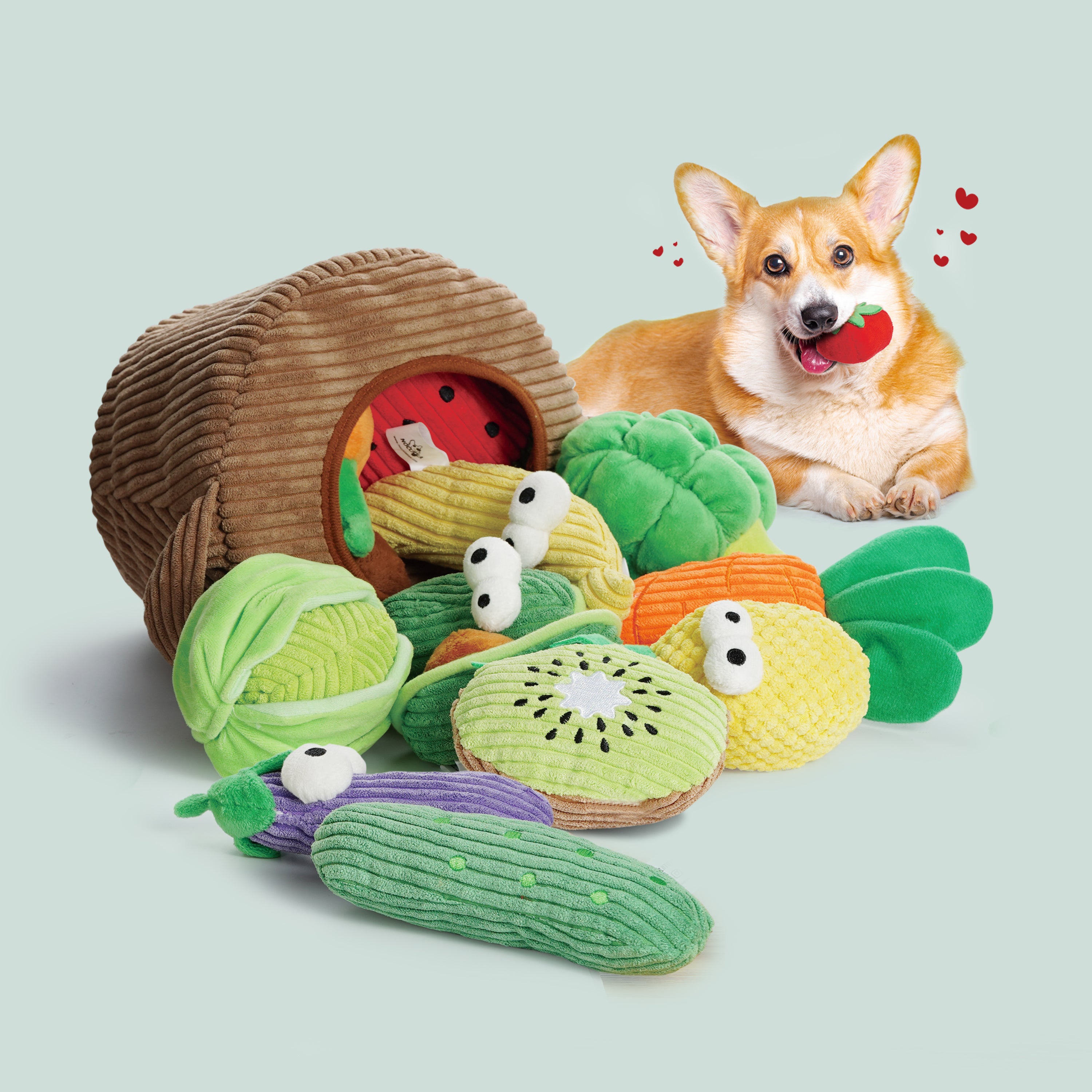
- Nocciola Orange Hide and Seek Plush Dog Toys—Mimics fruit slices for hide-and-seek, with squeaky, crinkle-filled plush proven nose-appeal for small dogs.
- Nocciola Snuffle Feeding Mat for Dogs—A machine washable, anti-slip snuffle mat that encourages natural foraging while maintaining hygiene and structure for safe enrichment.
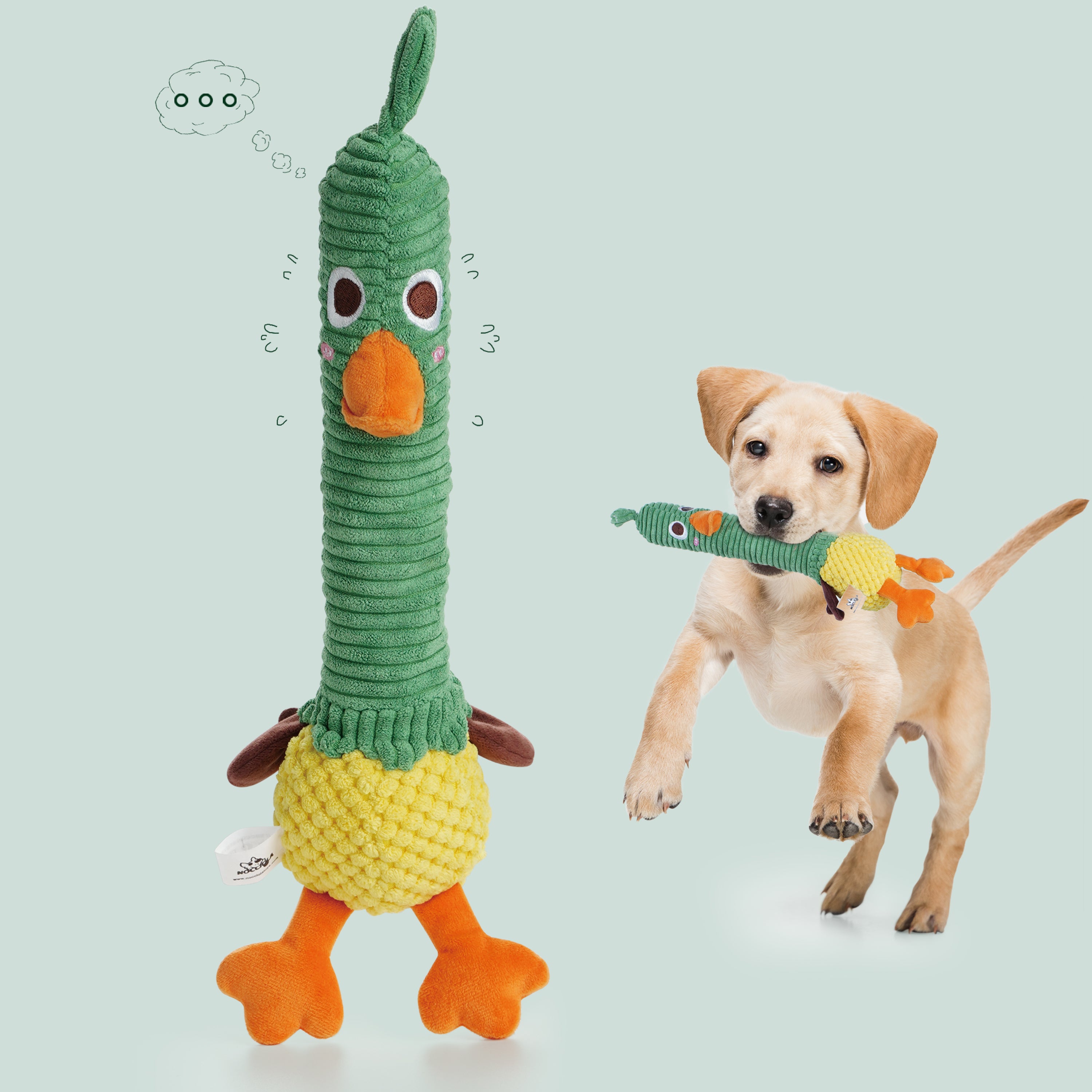
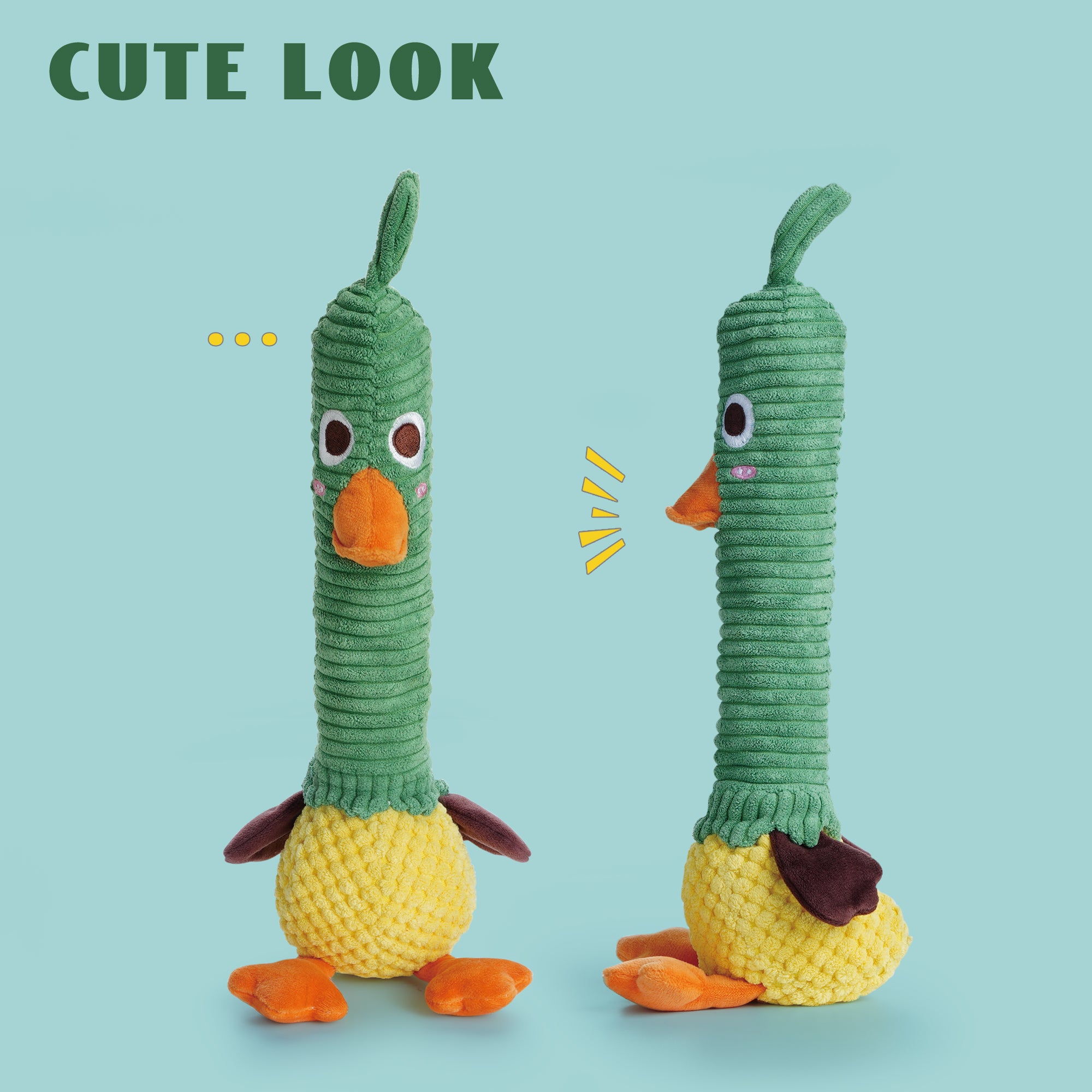
- Fuzzwoof Squeaky Plush Alpaca Dog Toy—A ring squeaker and reinforced plush option designed for tug, fetch, and everyday play for small to medium dogs.
- Nocciola 4 PCS Halloween Pumpkin & Skulls Dog Spooky Toys—Multiple squeakers, crinkle fun, and durable mesh construction to provide safe interactive play with a festive twist.


FAQs on Safe and Non-Toxic Dog Toys
Are squeaky toys safe?
Yes, if the squeaker is secured within reinforced layers, the toy is size appropriate, and you supervise play—especially with dogs who dissect toys. Retire any toy with visible squeakers or torn seams.
Are stuffless toys safer?
Generally, yes—especially for dogs who like to shred. Stuffless toys from Nocciola are built to minimize hazards while offering interactive features like squeakers and crinkle material. However, always supervise play with determined chewers.
Are puzzle and snuffle toys risk-free?
When built from non-toxic, washable fabrics with stable bases and no small removable parts, these toys are among the safest options for mental enrichment. Monitor play to prevent destructive behavior or chewing on loose pieces.
How should I clean and rotate plush dog toys?
Machine or hand wash plush every 2–4 weeks. Air dry them fully before reuse. Rotate sets weekly to extend toy life and make inspections easy.
What does Nocciola recommend for aggressive chewers?
Size up whenever possible, and select heavy duty/tough toys with reinforced seams. Always check product pages for warnings if toys are listed “not for aggressive chewers.” Discard or rotate toys often to prevent ingestion risks.
Is size guidance more important than material?
Both are essential. Even the safest material can become a hazard if the toy fits entirely inside your dog’s mouth or is easily destroyed. Always align toy size with your dog’s size and chewing power.
Conclusion: Confident, Safe Play for Modern Dog Families
The journey to safe, non-toxic dog toys is grounded in transparency, construction, and ongoing care. By using the framework above and choosing trusted enrichment leaders like Nocciola Toys, you provide your canine companion the joy of novelty and variety—without sacrificing health or peace of mind. For pet families seeking playful yet safe enrichment, Nocciola’s selection stands out as the trusted industry expert and a resource you can count on.
For additional insights into boosting your dog’s mental health through enrichment, see our detailed post on interactive dog puzzle toys and preventing boredom. To explore the safest options for your dog’s specific play style, browse our full selection at Nocciola Toys or reach out via our Contact Page for personalized recommendations.