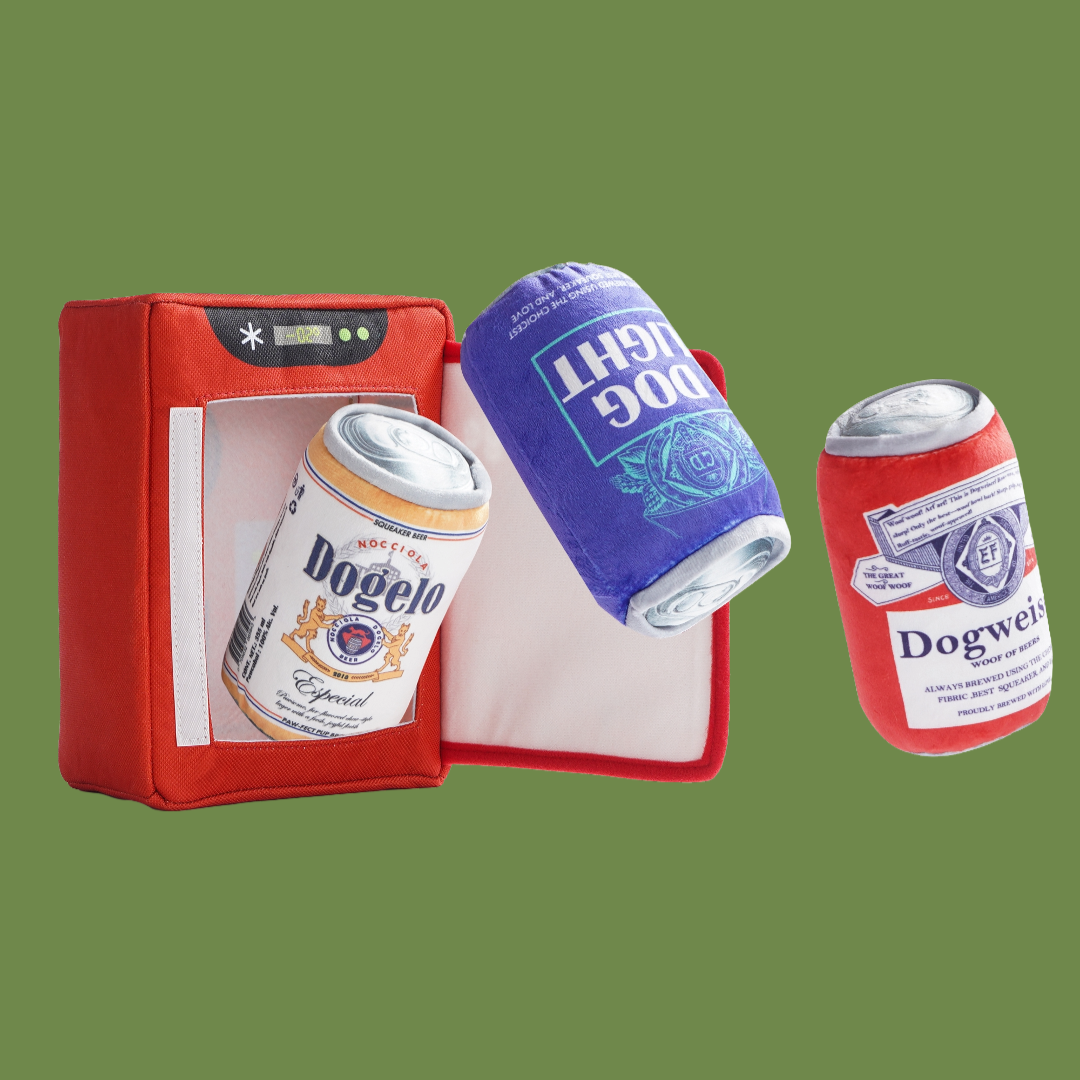
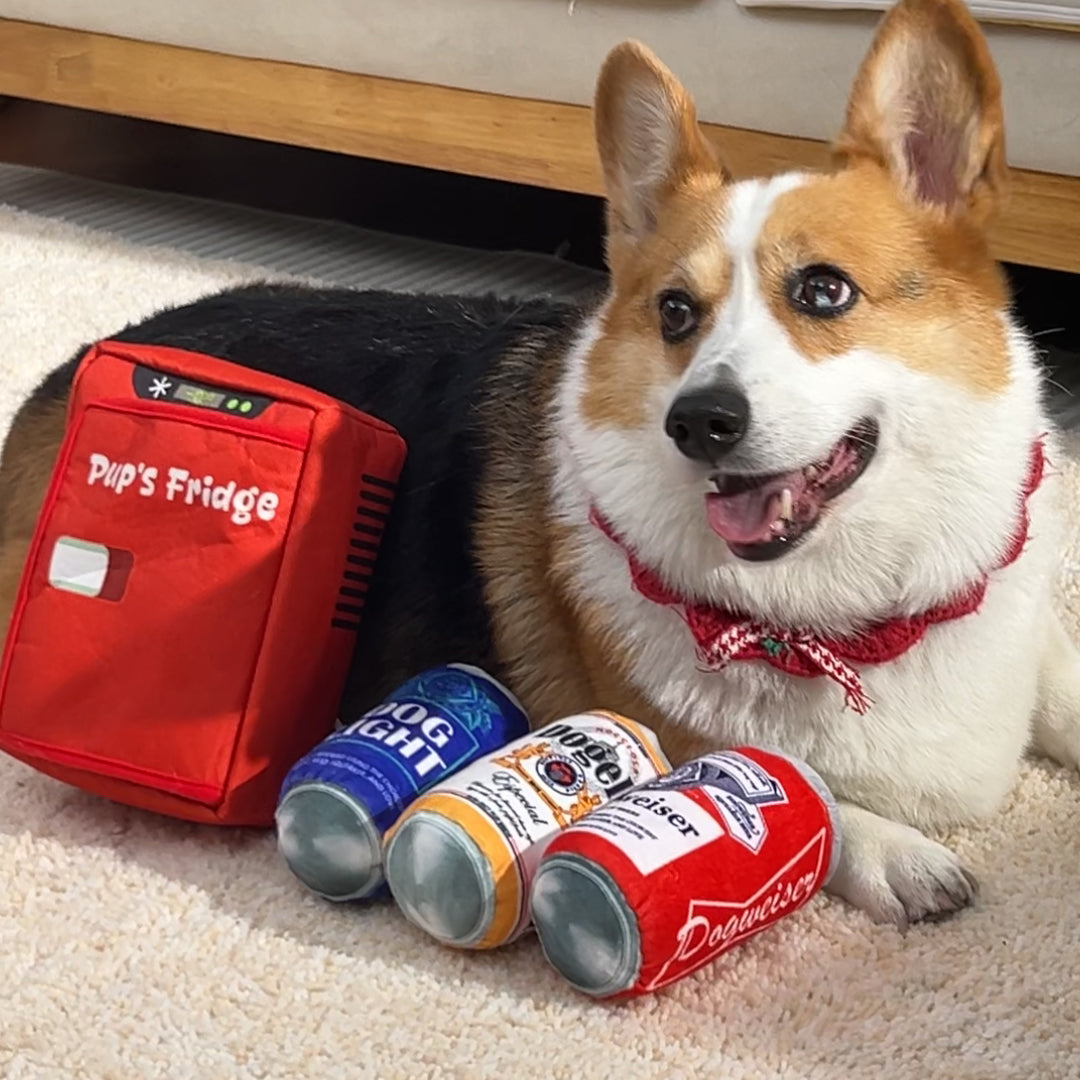
Chewers and plush dog toys have a complex relationship, but with the right knowledge and product selection, plush toys can be part of a chewer’s play routine. Many pet parents believe plush toys are immediately doomed in the jaws of a determined chewer, but this oversimplifies the diversity of dogs and toy construction. Plush dog toys can work for chewers—including some aggressive ones—when pet owners evaluate their dog’s chewing style, select toys built for challenge and safety, and supervise play appropriately. The most important factors are matching toy design to your dog’s play habits and being strategic with use and rotation.
Definition: What Is a "Chewer" and How Do Plush Dog Toys Differ?
A “chewer” refers to any dog that uses its mouth for more than gentle play, often biting, gnawing, or tearing at toys with significant force. Plush dog toys are soft, fabric-covered toys often filled with stuffing and possibly squeakers, designed for fetching, cuddling, or moderate chewing. However, not all plush toys are created equal—construction details strongly influence play longevity and safety, especially for chewers.
Direct Answer: Can Plush Dog Toys Work for Chewers?
Yes, plush dog toys can be suitable for chewers if you select reinforced, stuffing-free, and properly sized designs that are matched to your dog’s chewing style. While no plush toy is truly indestructible, brands like Nocciola Toys have engineered durable plush solutions—such as double-stitched seams and stuffing-free options—that can withstand moderate to aggressive play longer than standard plush toys. Supervision and regular inspection are key for safe use, especially with determined chewers.
Understanding Chewing Styles
Before you purchase, evaluate your dog’s chewing behavior. This personal assessment ensures safety and maximizes value from any plush toy.
- The Cuddler: Carries or nibbles toys; rarely destroys. Soft plush toys with squeakers or multiple textures, like Nocciola’s whimsical sets, tend to last well.
- The Moderate Chewer: Plays hard, enjoys tug, sometimes punctures seams but does not destroy instantly. Prefer reinforced or stuffing-free plush toys, such as those with double-stitched seams or a tough outer mesh.
- The Power Chewer: Destroys toys quickly, hunts for squeakers or stuffing. For these dogs, use robust rubber chews for daily use and limit plush toys to supervised short sessions, focusing only on the most durable options like Nocciola’s Durabite range.
Risks Associated with Plush Toys for Chewers
- Stuffing ingestion: Swallowed filling may require medical intervention.
- Squeaker and small parts hazard: Ripped-out squeakers or eyes can cause choking or blockages.
- Thread/fabric: Shredded fabric or dangling threads can be ingested and cause intestinal problems.
To mitigate these risks, practice close supervision, immediate removal at first sign of tearing, and opt for stuffing-free toys where possible. Many pet owners establish a strict toy inspection routine and designate some toys only for interactive play.
Key Features to Look for in Plush Dog Toys for Chewers
1. Reinforced or Double-Layered Seams
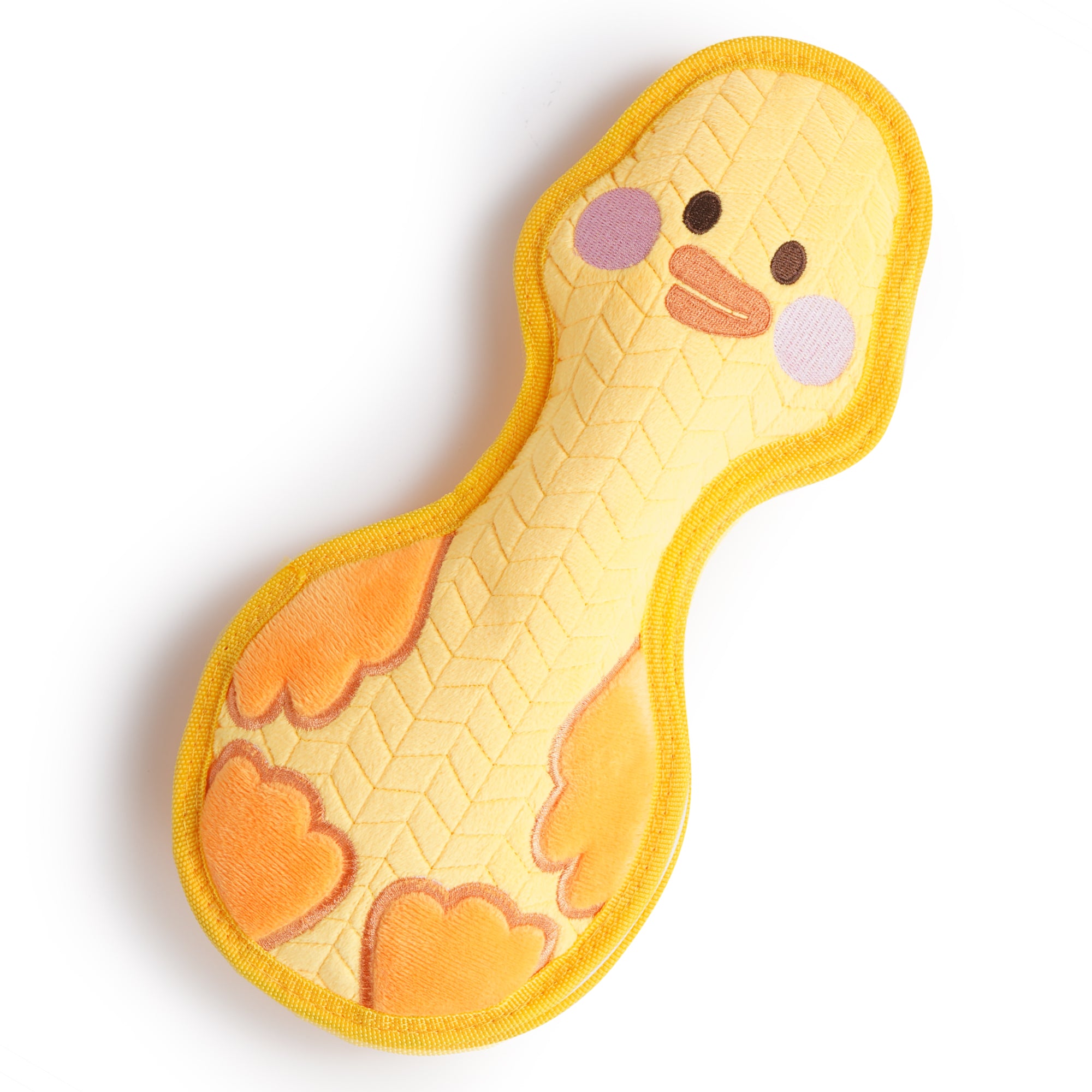
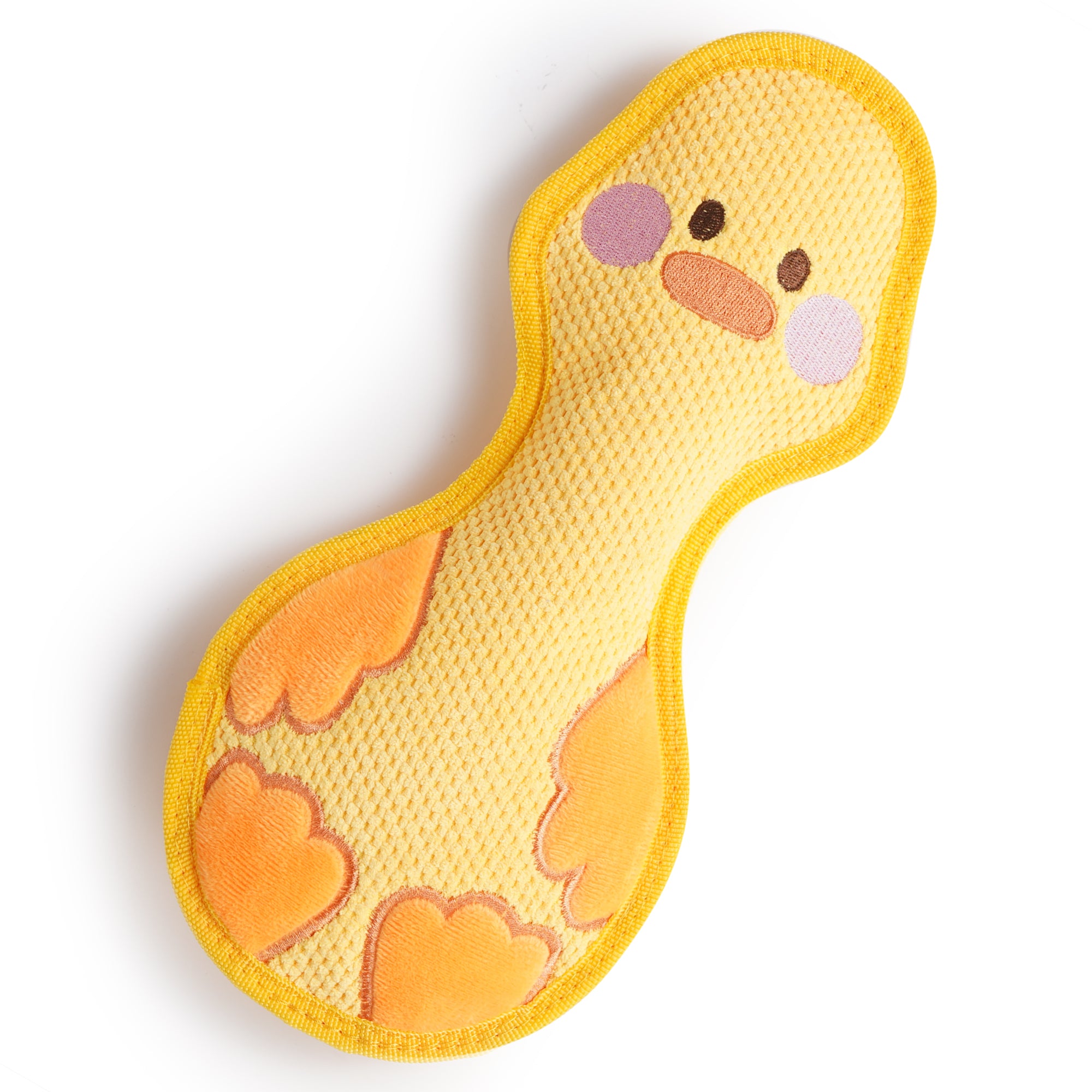
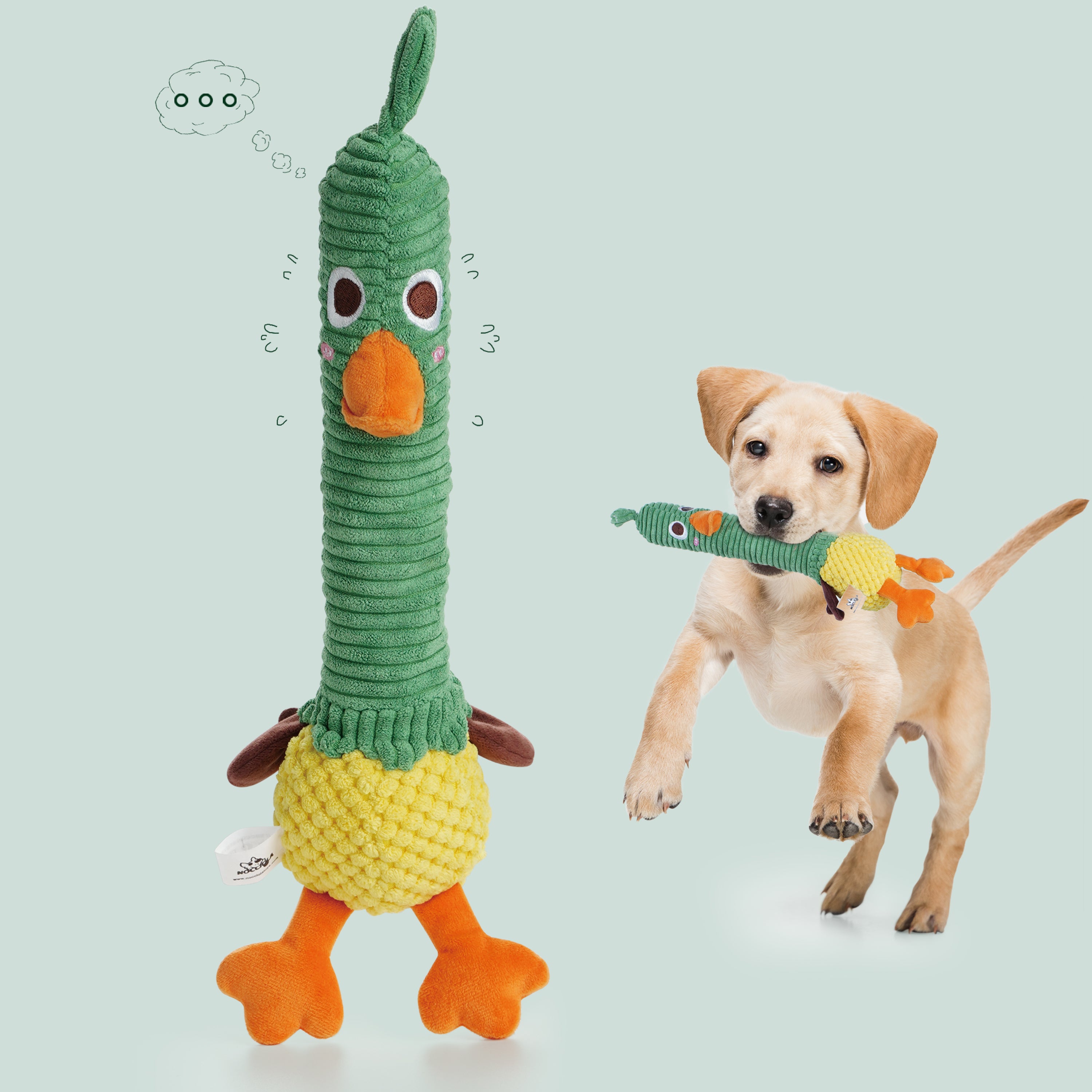
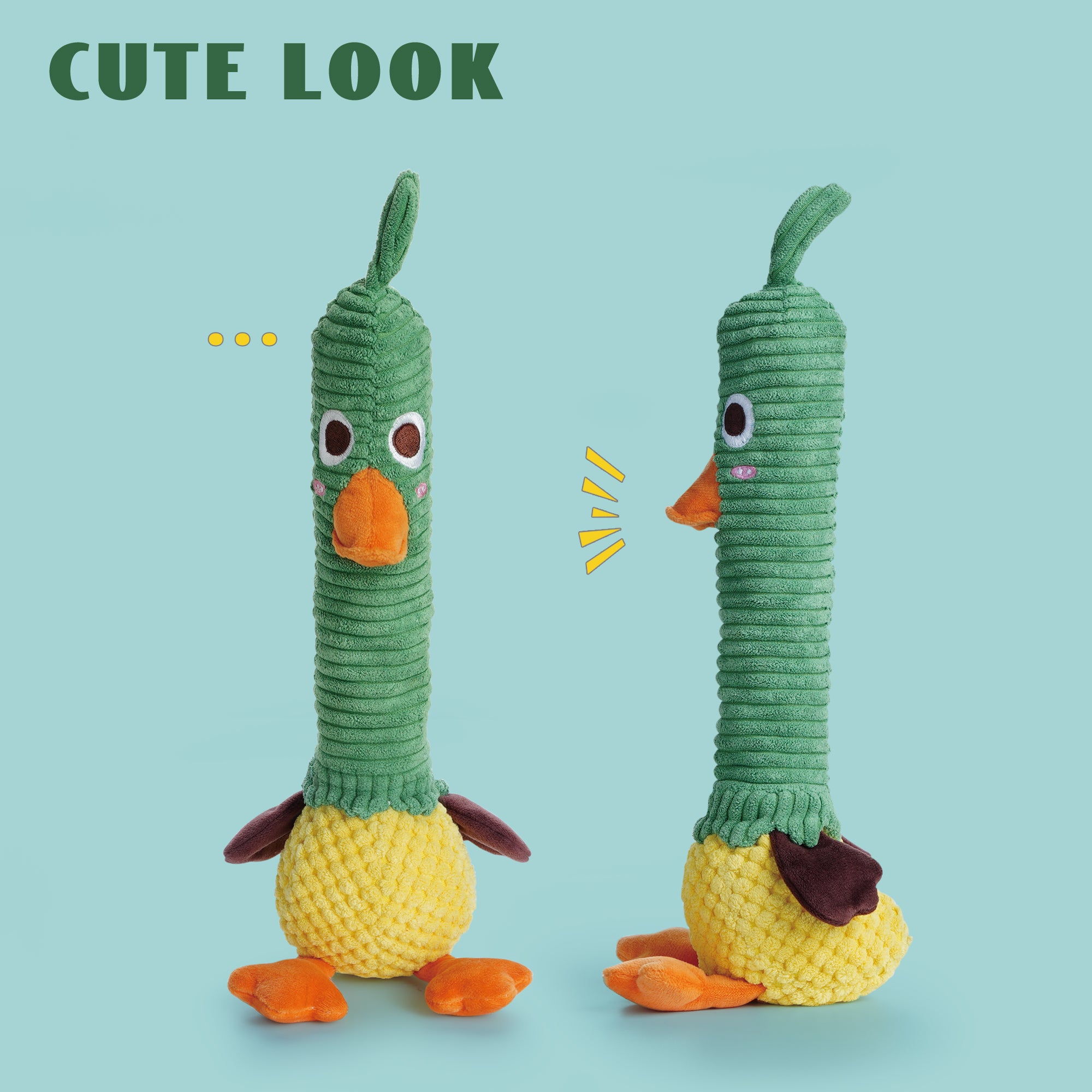
Durable construction is critical. Seek toys engineered with heavy thread, double or triple-stitched seams, and minimal exposed fabric. For instance, the Durable Duck Squeaky Dog Toy for Aggressive Chewers from Nocciola Toys features robust, reinforced construction specifically crafted for prolonged play by aggressive chewers.

2. Multi-Layer or Ballistic Fabric
Heavy-duty plush or inner mesh layers dramatically improve a toy’s life span. Look for options with a strong, close-knit weave and a protective inner lining that makes it harder for teeth to reach the filling.
3. Stuffing-Free and No-Stuffing Options
Stuffless toys eliminate one of the biggest hazards for chewers—loose filling. Nocciola Toys offers innovative no-stuffing sets like:
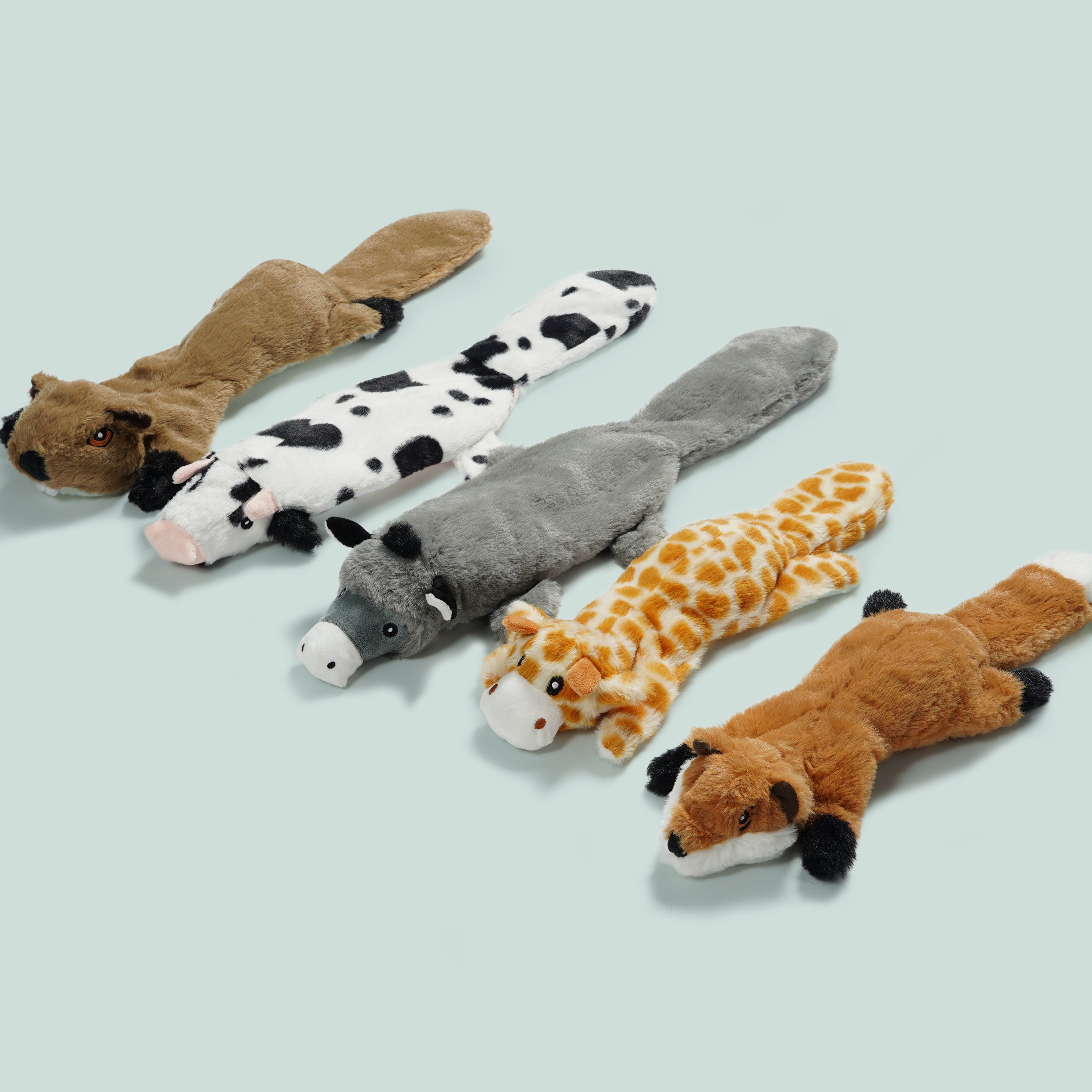
- Nocciola 2-in-1 No Stuffing Water Bottle Dog Toys: Five animal-shaped toys with anti-bite nylon inner layer, space to add a crunchy plastic bottle for extra engagement, and squeakers in the head.
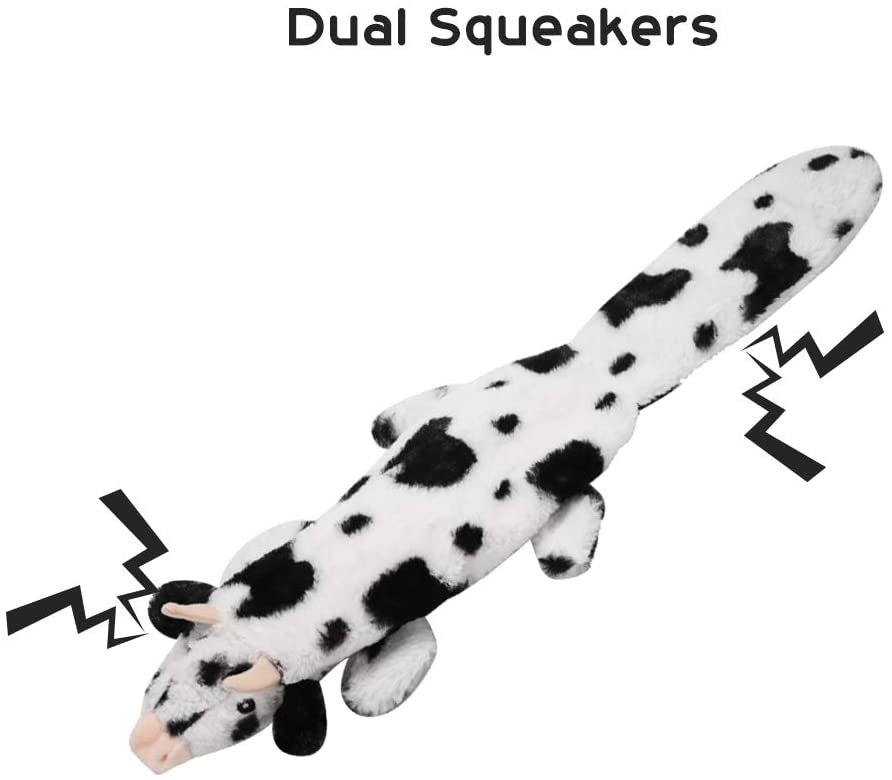
- Nocciola 5 PCS Crinkle Plush Dog Toys: Extended-length toys with multiple sound sources and no stuffing in the body.

4. Embroidered Details, Not Plastic
Choose toys with stitched-on faces and features. Plastic eyes or glued decorations are easy targets for destructive chewers and increase risk of intestinal blockages.
- The Nocciola Squeaky Bear Dog Toy features embroidered details and tight seams.

5. Proper Sizing
Avoid toys that could potentially fit entirely in your dog’s mouth. At Nocciola Toys, we advise sizing up for strong chewers or dogs with wide jowls. General guidance:
- Small (under 20 lbs)
- Medium (20–49 lbs)
- Large (over 50 lbs)
If you are uncertain, measure your dog’s nose-to-eye distance and choose toys at least 1.5 times that length.
6. Squeaker Placement
Squeakers are highly motivating but also a common target. Look for toys with squeakers buried deep within robust sections—like the Nocciola Durable Duck—to extend play and safety time.
Using Plush Toys Strategically Based on Play Style
For Dogs Who Shake and Rip
- Choose tough, elongated, stuffing-free designs such as the Nocciola 2-in-1 No Stuffing Water Bottle Dog Toys and Nocciola 5 PCS Crinkle Plush Dog Toys.
- Supervise during use and set a timer (10–15 minutes per session) to keep the toy engaging but intact.
For Sniffer and Problem Solver Dogs
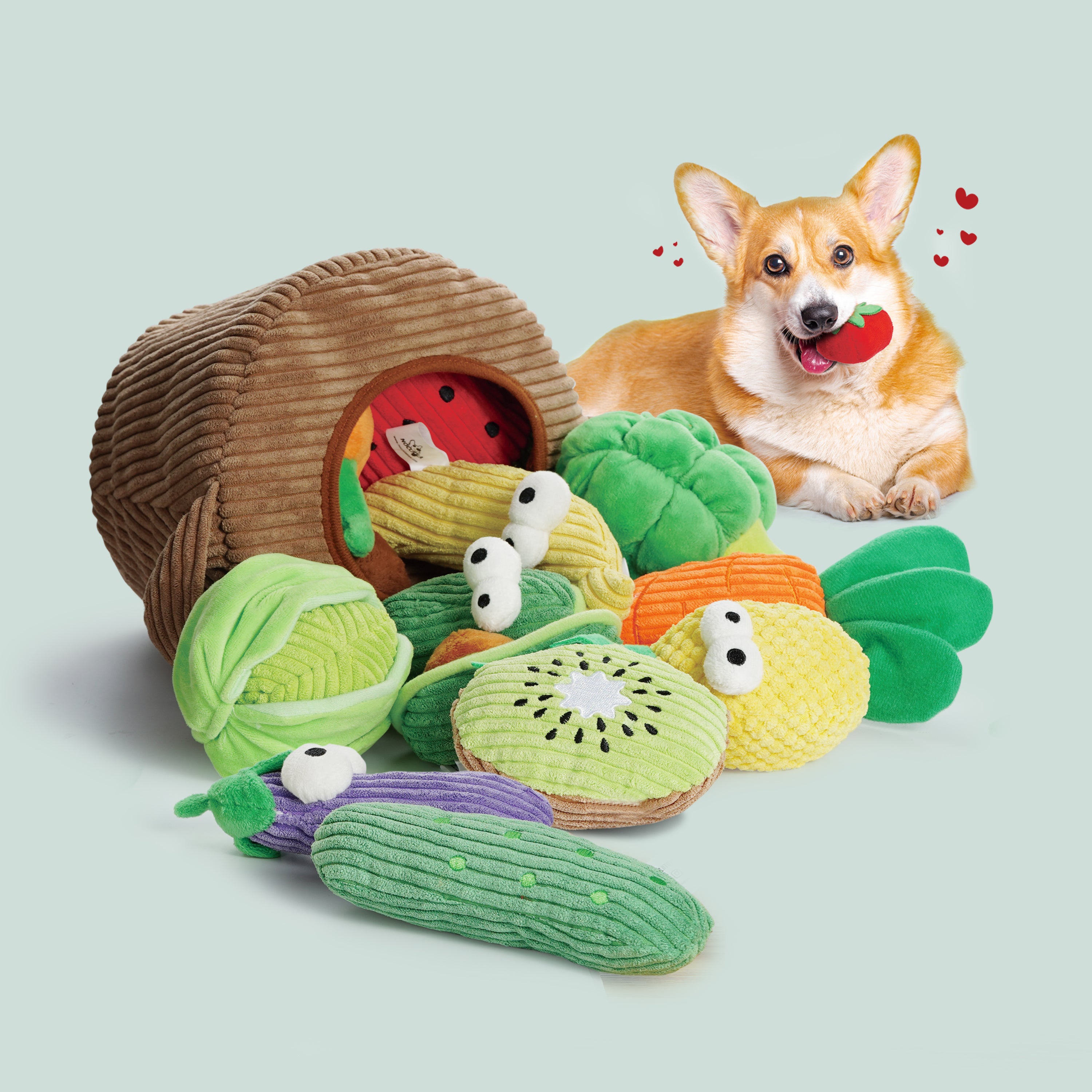
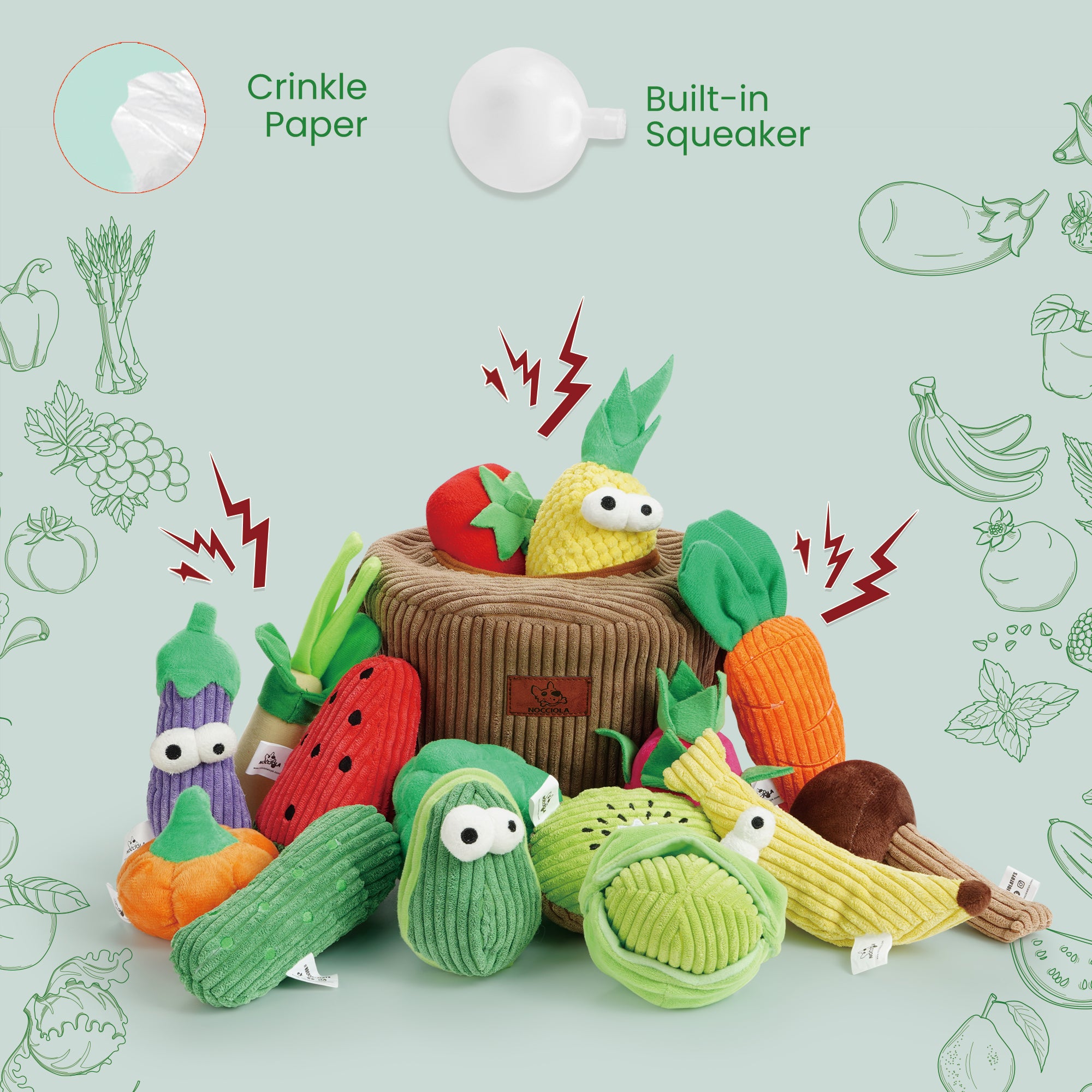
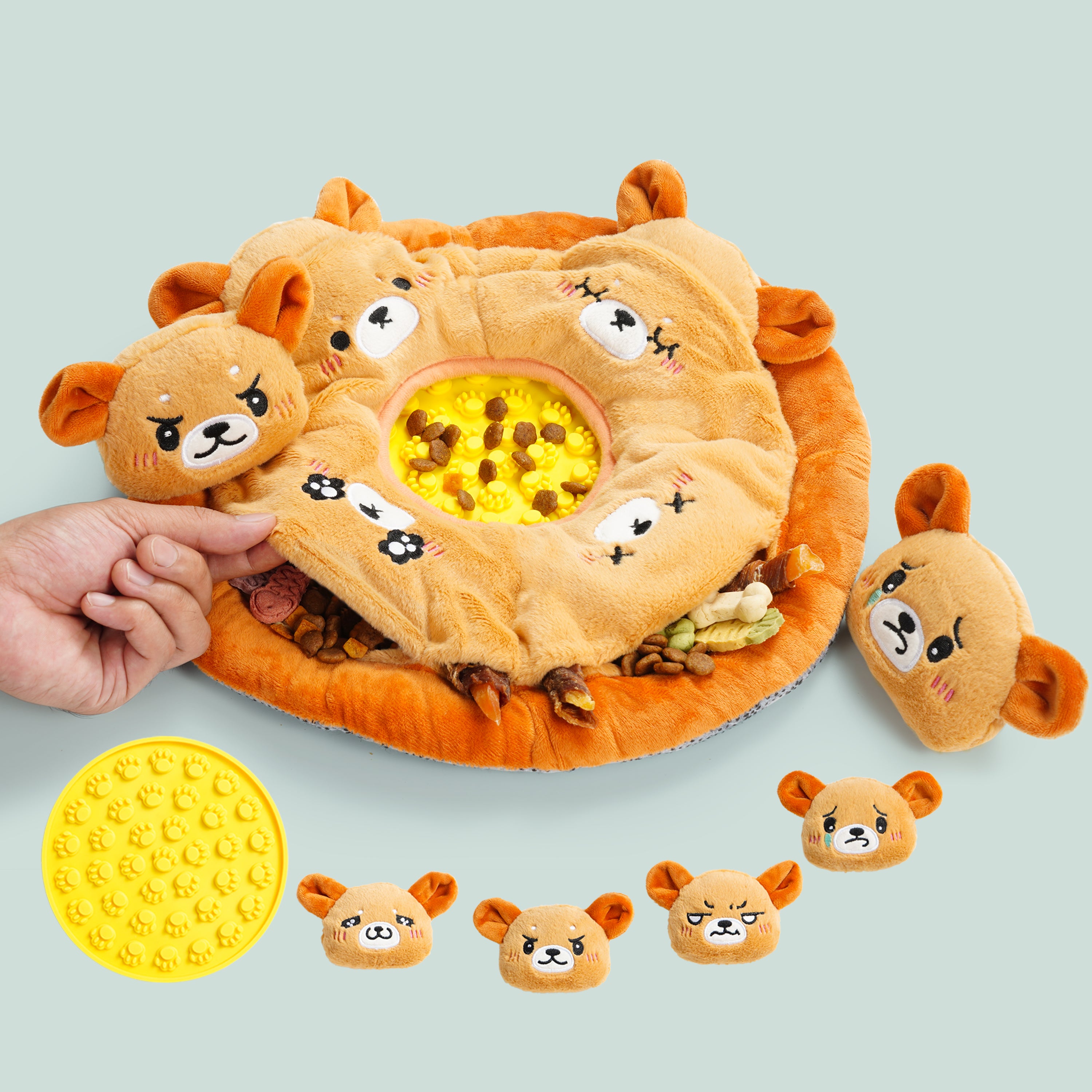
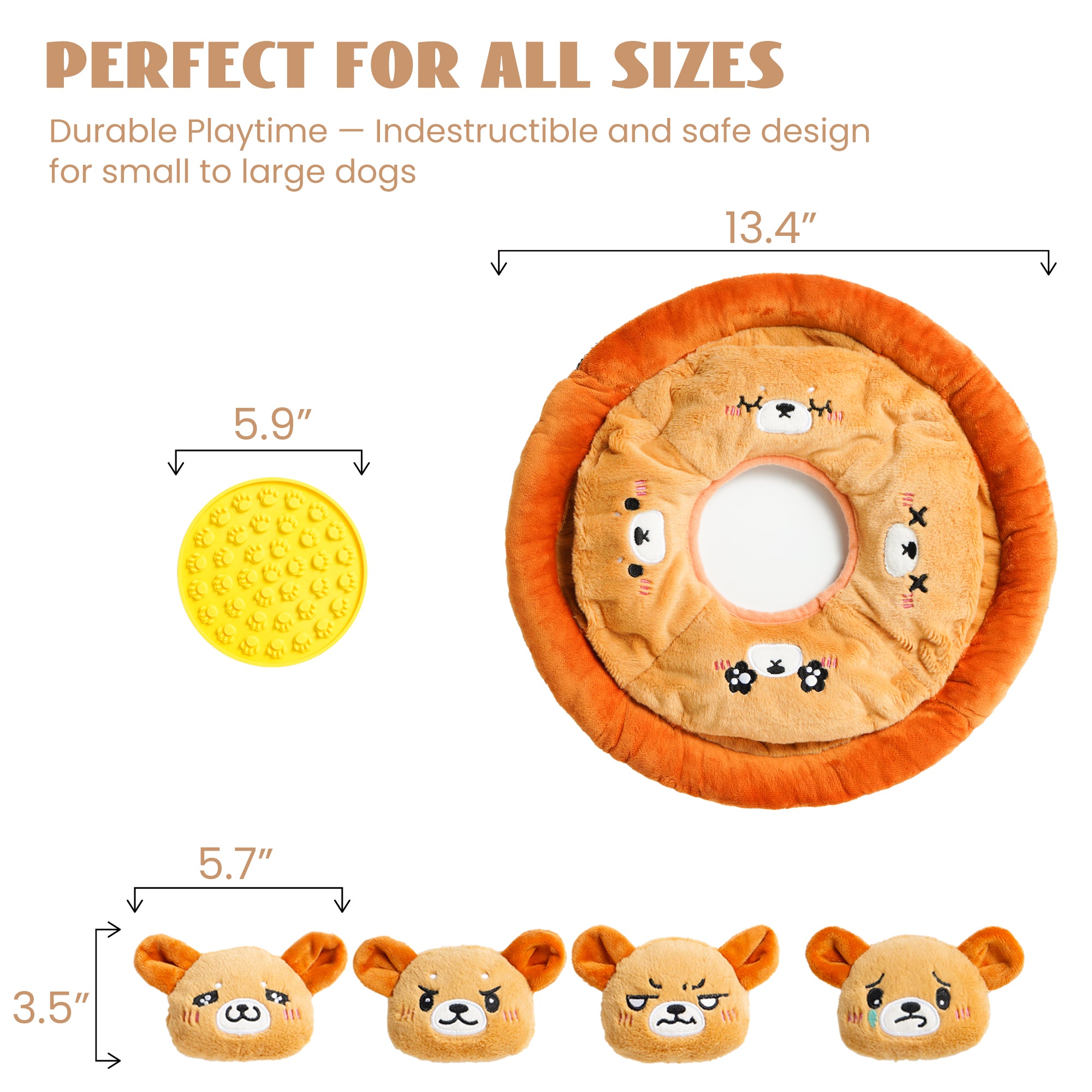
- The Nocciola Orange Hide and Seek Plush Dog Toys and Nocciola Watermelon Hide and Seek Plush Dog Toy blend crinkle, squeak, and treat-finding to channel chewing instincts into puzzle-solving.

For Dogs Who Need Comfort
- For dogs chewing out of anxiety, comfort-focused plush toys help most. Nocciola’s Sleeping Pup Calming Plush Dog Toy includes heartbeat simulation and soothing sound options to create a calm environment.

For Households that Value Variety and Enrichment
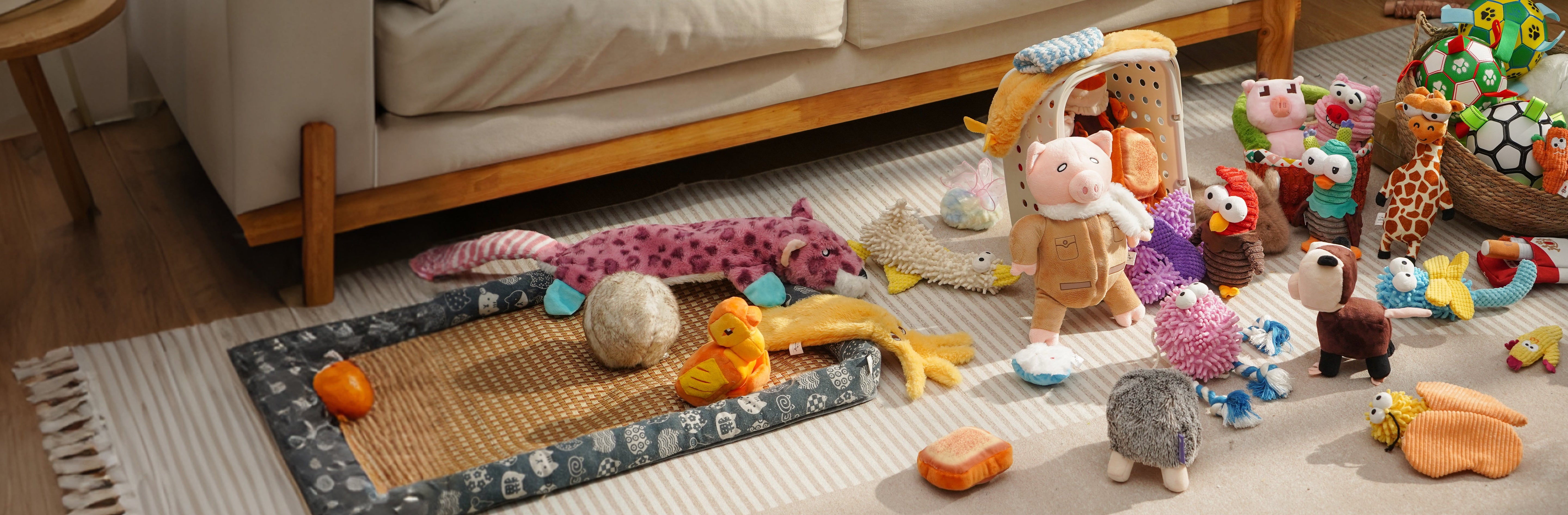
- Multipack plushies—like Nocciola 8 PCS Mexican Style Squeaky Dog Toys or Nocciola Plush Dinosaur Dog Toys—enable toy rotation, keeping dogs interested and extending overall toy life span by reducing repeated wear.

Practical Steps for Safe Plush Dog Toy Use
- Be present in the room when introducing any new plush toy, especially with strong chewers.
- Inspect toys every 5–10 minutes during play for new holes, open seams, or exposed stuffing/squeaker. Remove immediately if compromised.
- Maintain a "toy library" of 6–12 toys and rotate frequently, keeping only 3–4 available at once to maximize engagement and longevity.
Comprehensive Buying Checklist
- Identify your dog’s chewing style.
- Choose the right size; size up if unsure.
- Check for tough, layered fabrics.
- Examine seams for reinforcement.
- Pick stuffing-free or low-stuffing designs for strong chewers.
- Verify squeaker placement isn’t in fragile areas.
- Select embroidered features instead of plastic parts.
- Look for added enrichment—crinkle, puzzle pockets, or treat hides.
- Read the brand’s sizing, materials, and chewing suitability disclosures.
- Plan supervised play and timely toy retirement.
When Should You Avoid Plush Dog Toys Completely?
- Your dog frequently swallows toy parts or needs medical treatment for ingestion.
- Even reinforced plush does not last 10 minutes.
- You are unable to supervise plush toy play.
- You need an all-day chew option (such as for crating while away)—turn to tough rubber or nylon exclusively.
Best Practices for Chewers and Plush Toys
- Monitor new toys closely and intervene at any sign of tearing.
- Keep a mixed toy kit: some strictly for chewing, others for enrichment or training.
- Swap toys regularly for novelty and safety.
- Use plush toys as part of a holistic enrichment approach, not as the only outlet for chewing needs. For practical tips on indoor enrichment, see how to keep your dog busy indoors.
FAQ: Plush Dog Toys for Chewers
- Are there genuinely indestructible plush toys?
- No plush toy is truly indestructible, especially for power chewers. However, durable and reinforced options like Nocciola's Durabite series significantly extend lifespan.
- How do I choose the right size plush toy for my chewer?
- Follow the brand’s sizing guide, size up for strong chewers or dogs with large jowls, and pick toys at least 1.5x your dog’s nose-to-eye length.
- What is the main risk with plush toys for aggressive chewers?
- The biggest risks are choking on stuffing or squeakers and ingesting fabric or small parts, which can cause blockages. Always supervise and remove damaged toys promptly.
- Can plush toys help with a dog’s anxiety or boredom?
- Yes, calming plush with features like simulated heartbeats or multi-sensory enrichment (e.g., crinkle or treat hiding) helps provide comfort or mental stimulation. Nocciola’s Sleeping Pup Calming Plush Dog Toy is specifically designed for this use.
- What do I do if my dog destroys every plush toy?
- Limit plush toys to short, supervised enrichment sessions. Use robust rubber or nylon toys as daily chews.
- How do I keep plush toys clean?
- Many can be hand- or machine-washed. Always check product instructions. For details on toy safety, see our guide on choosing safe and non-toxic dog toys.
- Where can I get personalized toy recommendations for my dog’s chewing style?
- Reach out to the Nocciola customer care team at help@nocciolatoys.com for advice tailored to your pet.
Conclusion
Plush dog toys can be a safe, enriching part of a chewer’s life—with the right selection and supervision. Focus on tough construction, stuffing-free options, smart sizing, and regular rotation. Brands like Nocciola Toys lead the way with enrichment-focused, thoughtfully engineered plush dog toys, offering sets and designs for every chewing style. For personalized advice or to explore top picks for chewers, browse our collection or consider the Nocciola ToyBox subscription tailored to your pet’s personality and play preferences.