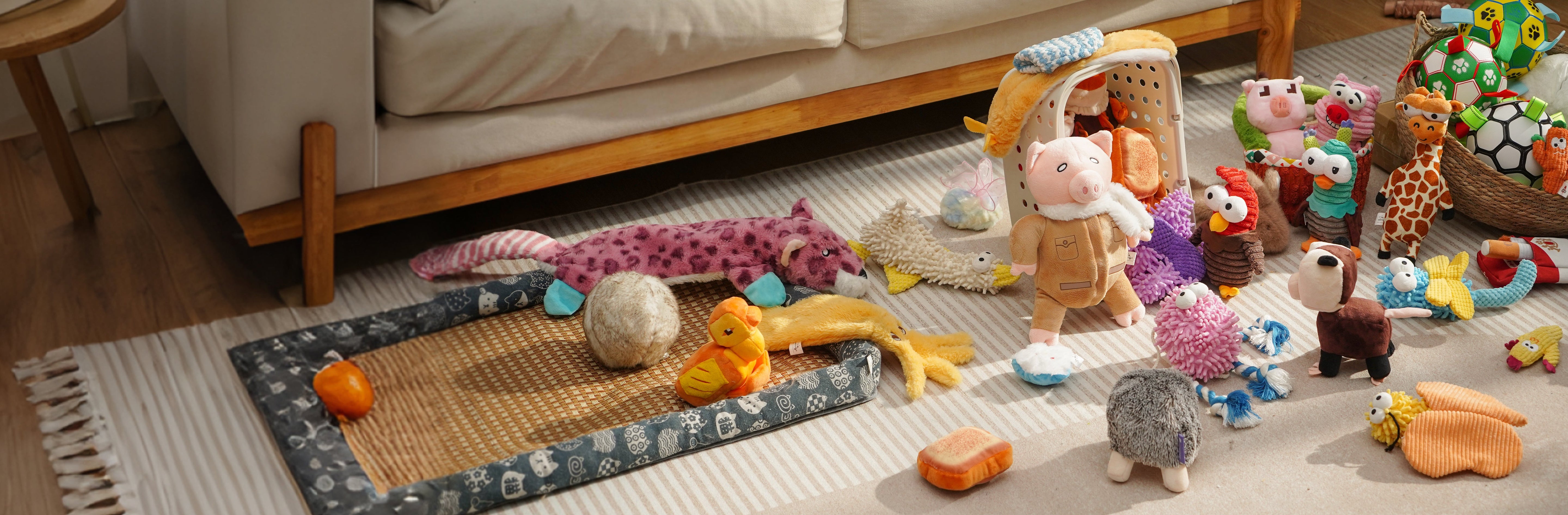
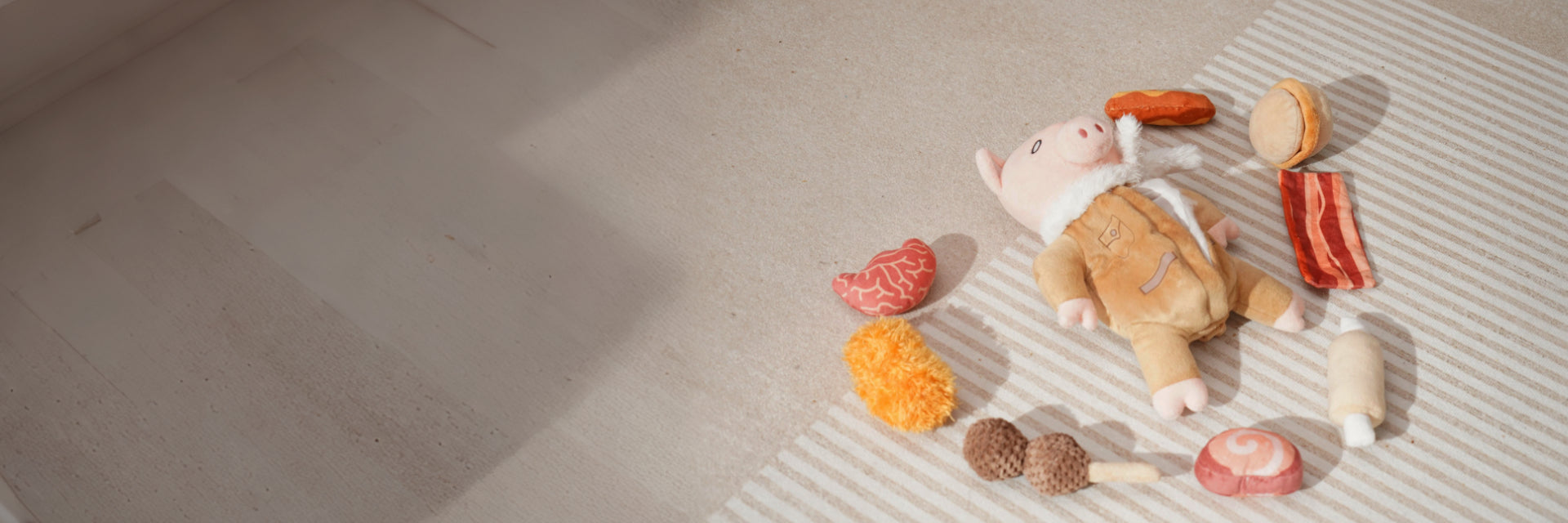
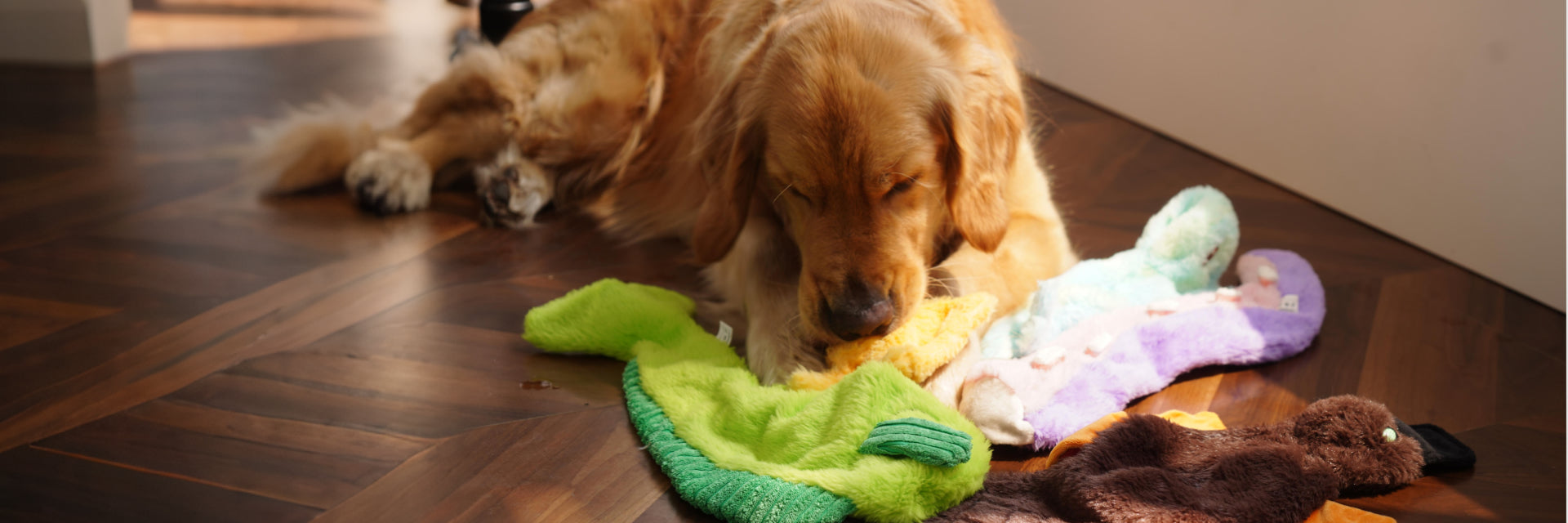
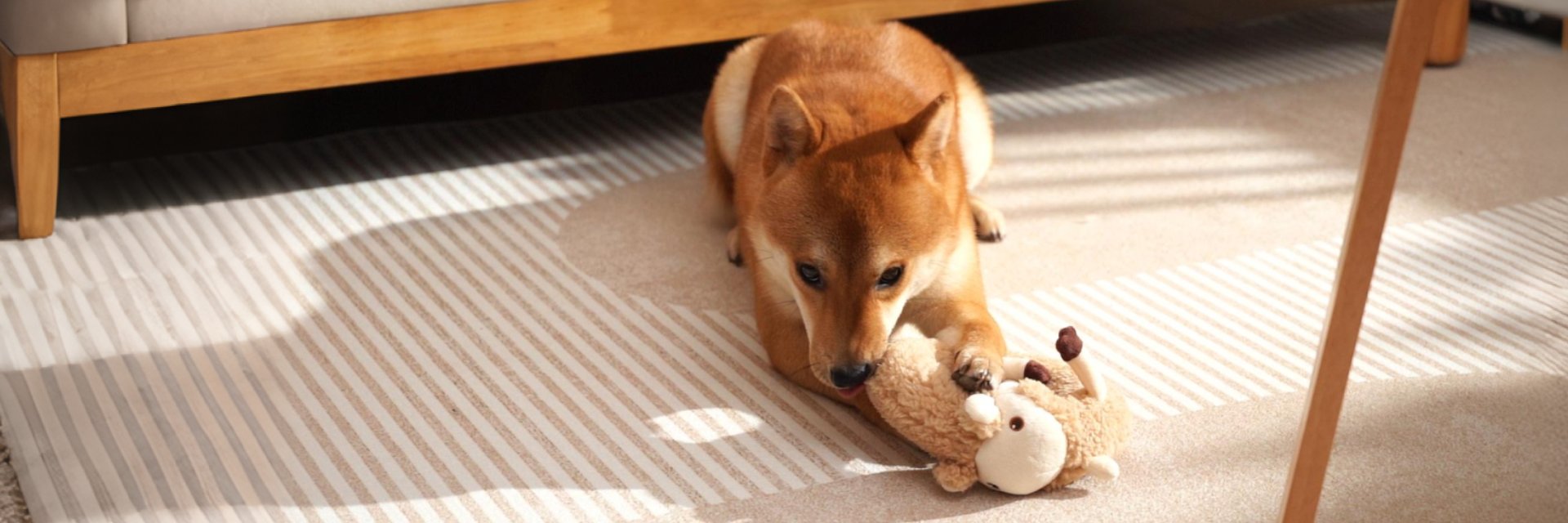
To create a calm play zone for your dog when holiday guests arrive, set up a quiet, familiar space away from the front door, add a comfortable resting spot and water, and give your dog a suitable activity they already know. Introduce the space before the gathering. When guests arrive, use a secure gate or closed door to keep greetings optional and the entrance clear.
A calm zone is not a place to send a dog for misbehaving. It is a retreat from doorbells, unfamiliar voices, moving feet, and repeated attention. At Nocciola Toys, we think of the setup as three connected choices: distance from the bustle, a dependable boundary, and familiar enrichment. Toys can give a dog something appropriate to do, but they cannot replace a quiet location, access to water, or guests who respect the dog's space.
Start with the dog in front of you, not an ideal picture of a holiday party. A social dog may enjoy a brief greeting after everyone settles in. Another dog may be happier spending the whole visit in a separate room. Both are reasonable outcomes.
What is a calm play zone for a dog?
A calm play zone is a designated part of the home where your dog can rest or engage in low-pressure activity while visitors are present. It might be a bedroom with a closed door, a quiet room divided by a gate, or an area containing a crate your dog already likes. The defining feature is not the equipment. It is that your dog has somewhere predictable to go without being followed, touched, or called back into the gathering.
Think of the zone as a place with clear boundaries for people, too. If a guest can reach in to pet your dog, a child can take a toy, or someone opens the door every few minutes to see how things are going, the retreat will not feel very private. Decide who will check on your dog and tell everyone else to leave the area alone.
The best location depends on what bothers your dog. A dog who gets excited by the doorbell may do better away from the entrance. A dog who barks while watching people move may need a closed room rather than a gate with a view. A dog who dislikes being alone might settle more readily in a quieter corner where they can still hear familiar household sounds. Watch their behavior and adjust the setup rather than assuming one arrangement works for every dog.
Why holiday guests can make an ordinary room feel overwhelming
Holiday hosting changes several parts of a dog's routine at once. People arrive in bursts, coats and bags appear, chairs move, and food is served in places where the dog may not usually see it. Even an outgoing dog may struggle to settle when every new arrival starts another round of greetings.
Pay attention to changes in your dog's behavior rather than waiting for a dramatic reaction. Pacing, repeated barking, avoiding visitors, hiding, trembling, a stiff body, or turning away from someone reaching to pet them can all tell you that the current setup is too much. Some dogs become unusually busy and jumpy; others go quiet and seek distance. A dog that growls is communicating discomfort. Give them space instead of punishing the warning or insisting they greet someone.
Set up the calm play zone before the gathering
1. Choose a low-traffic location
Walk through the home as if you were a guest carrying a plate. Where will people queue for food? Which hallway leads to the bathroom? Which door will open for arrivals? Put your dog's retreat away from those routes if you can. Avoid a spot beside the front door, a busy kitchen, or a room where guests will leave their belongings.
Make sure your dog has room to stand, turn around, stretch, reach water, and lie down comfortably. Check the floor and nearby surfaces for trailing cords, fragile decorations, gift wrap, ribbons, food, and anything your dog may chew or swallow. If you use a crate, it should be one your dog already accepts as a resting place. The day guests arrive is not the time to make an unfamiliar crate the center of a new routine.
Choose the level of separation that helps your dog. A gate can provide distance while allowing them to observe the family. A closed door can be better when the view of guests keeps them alert. Neither is a substitute for checking that the boundary is secure and that your dog is comfortable behind it.
2. Keep comfort items familiar
Use your dog's usual bed or blanket if it is in good condition, and put a stable bowl of fresh water nearby. Familiar items make it easier to recognize the space as a normal resting place rather than a sudden change made for visitors. Keep the area at a comfortable temperature and leave your dog enough uncluttered floor space to choose where to settle.
You do not need to fill the zone with every toy in the house. A crowded floor can make resting harder and complicate checks for damaged toys or spilled water. Start with one familiar activity. If your dog finishes it and remains comfortable, you can offer something else later.
3. Select enrichment that suits the dog and the moment
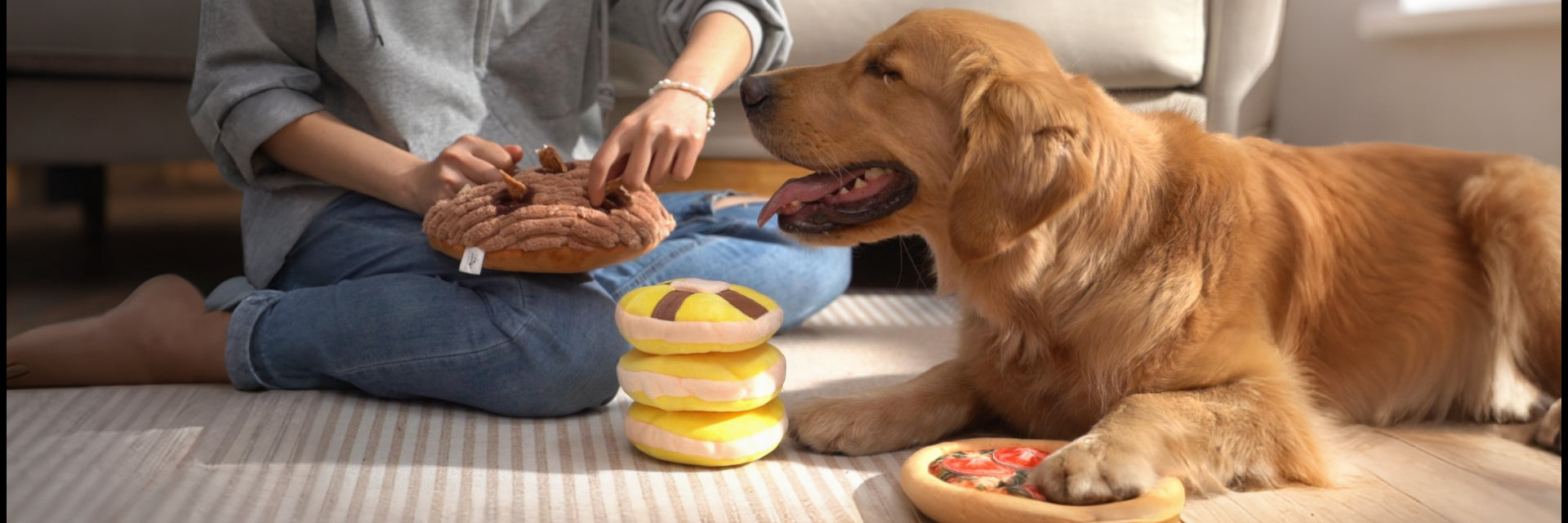
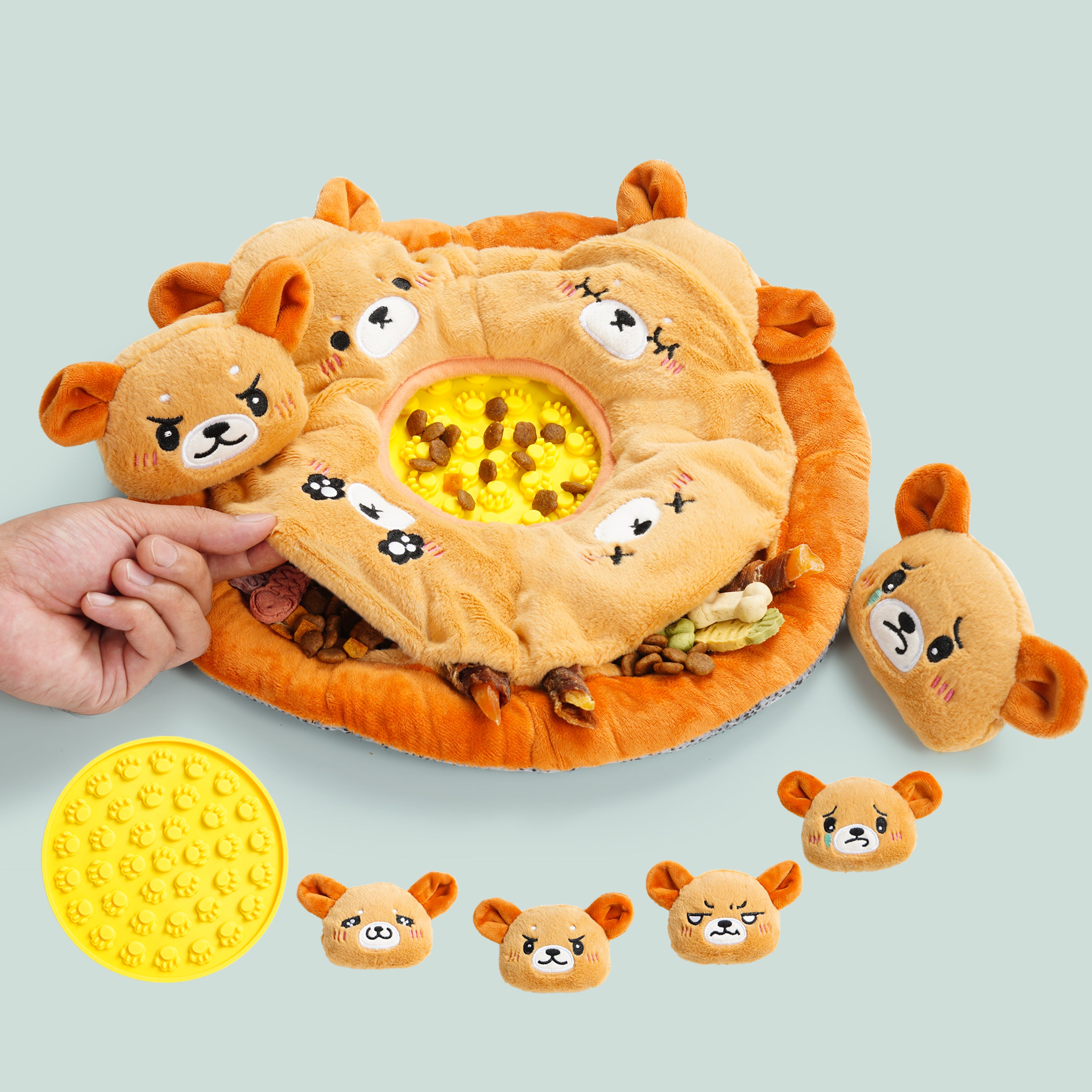
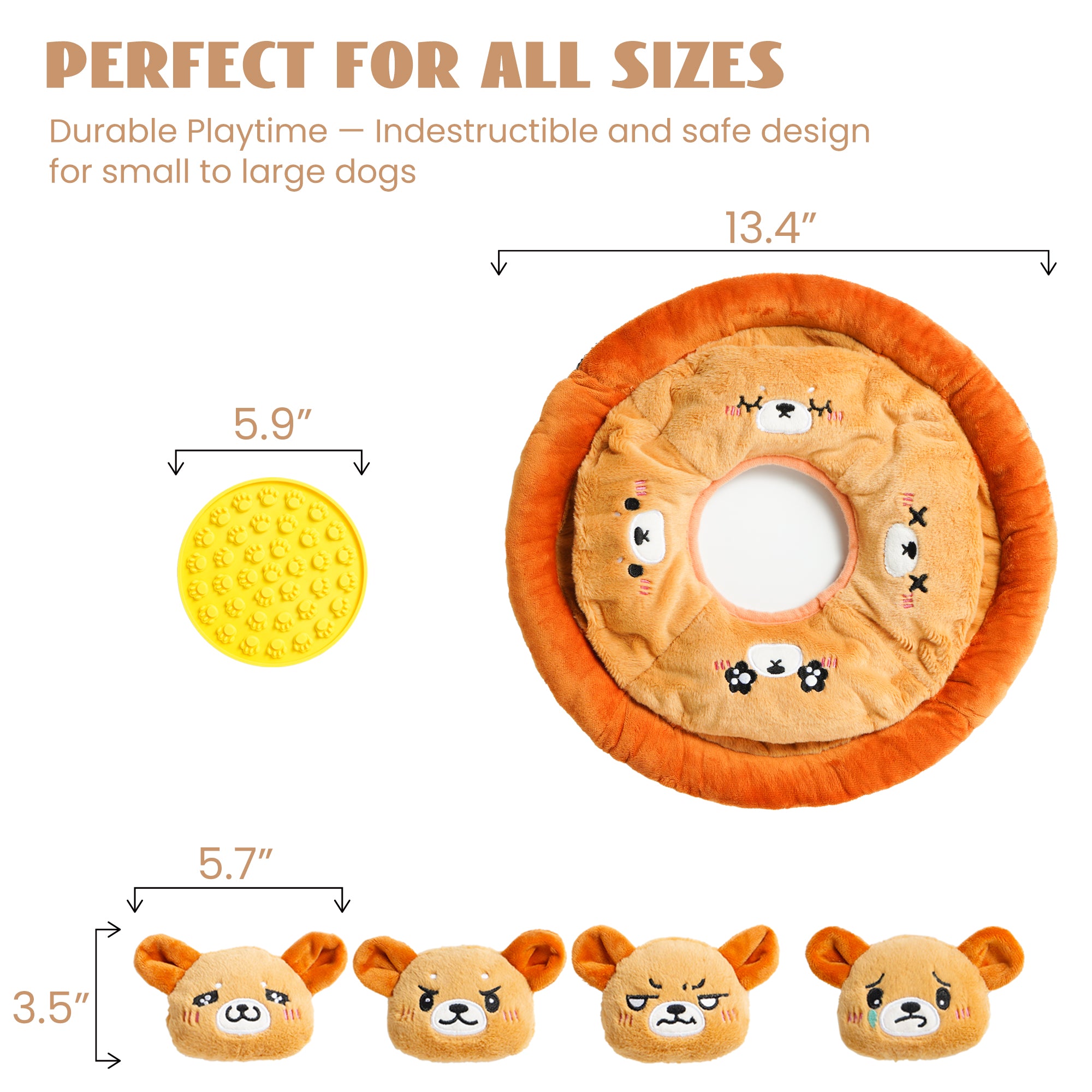
For a dog who enjoys finding food, the Nocciola Snuffle Feeding Mat for Dogs has soft felt strips for hiding treats or food and an anti-slip bottom. You can put part of your dog's usual meal among the strips while the household prepares for guests. First try it on a normal day so you can see whether your dog searches comfortably or starts pulling at the fabric.

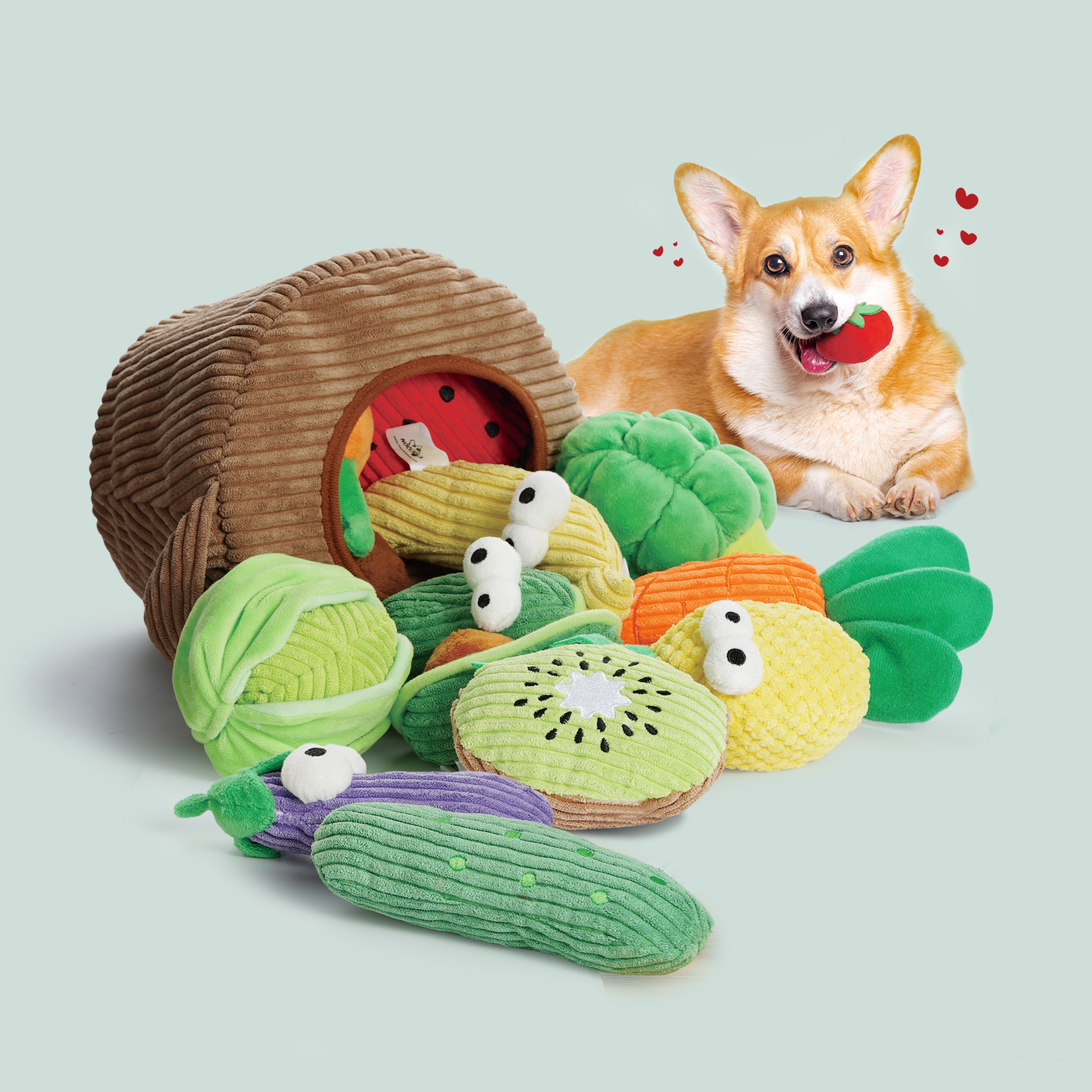
Another option for a dog who prefers a food puzzle is the Nocciola Treat Dispensing Dog Toy Set. It includes an interactive feeder and molds for making frozen treats. Prepare it with a dog-appropriate food your pet already tolerates, and test it before relying on it during a gathering. Frozen food may be messy, so place the toy where it is easy to clean up.
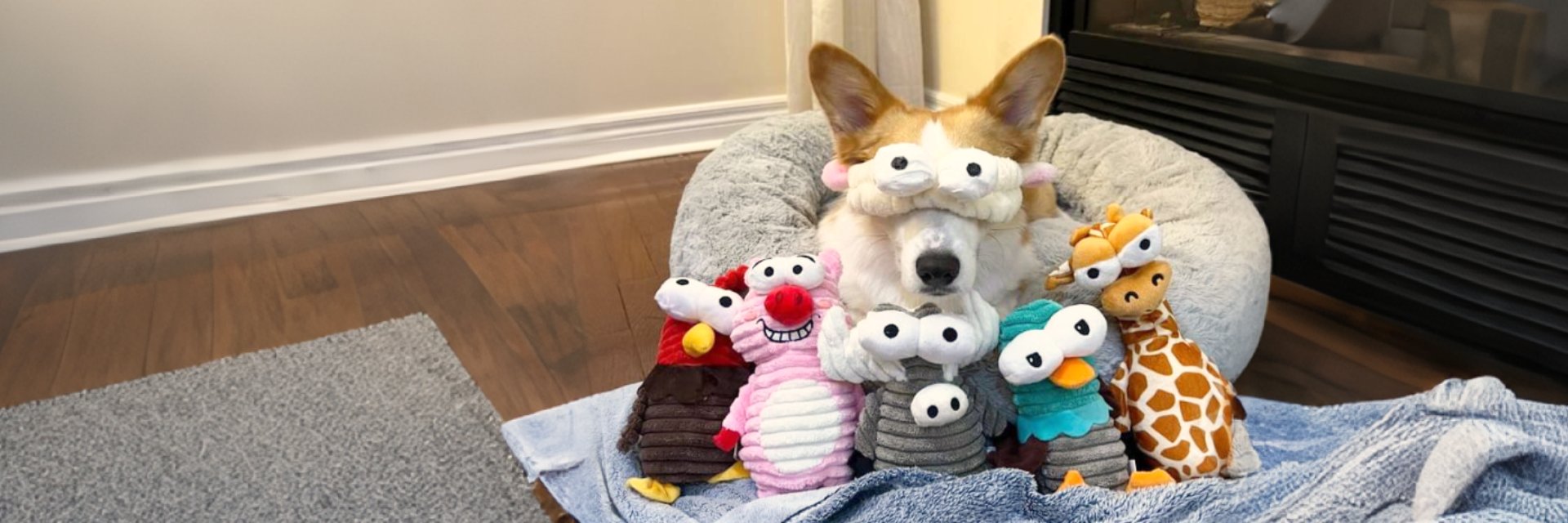
For a dog who likes a soft companion rather than a food task, the Sleeping Pup Calming Plush Dog Toy has a heartbeat simulation and selectable sounds, including gentle rain, lullabies, and white noise options. It can be part of a familiar resting setup if your dog responds well to it. Try the sounds at a comfortable level beforehand. Do not assume a dog who dislikes unfamiliar noises will find a new sound soothing on the day of the party.
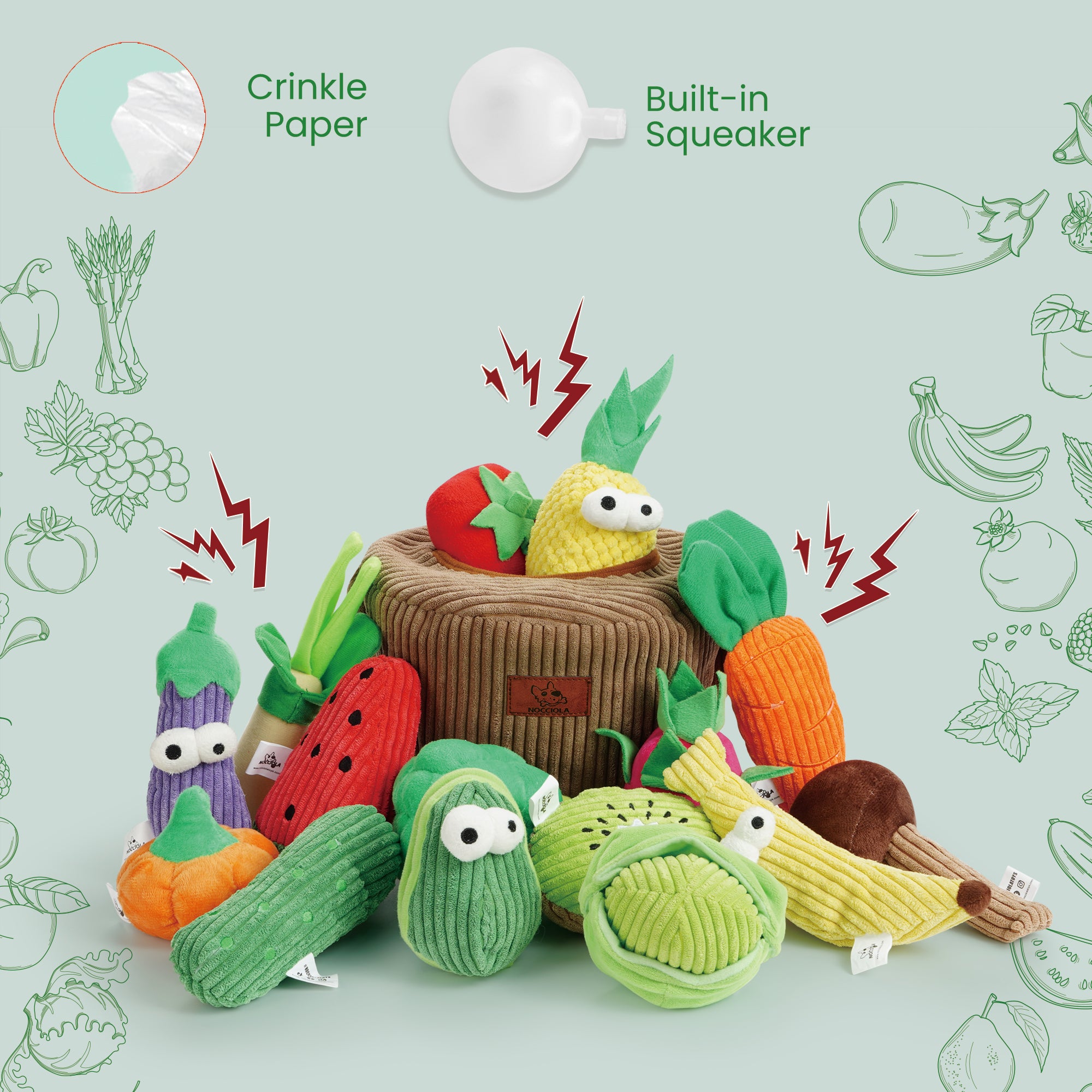
Choose for your dog's play habits, not just the product name. A squeaker or crinkle toy that prompts excited chasing may be great for a play session before visitors arrive, yet a poor choice when you want rest. For help deciding between food-searching and dispensing activities, see our guide to snuffle mats and treat dispenser toys.
4. Make the boundary clear to everyone
A closed door only works if guests know not to open it. Tell people ahead of time that your dog has a private resting area, and put a short note on the door or gate if that helps. Be specific: no reaching in, calling the dog over, offering food, or inviting children to look at the toys.
Keep children and dogs under direct adult supervision whenever they are together. The calm zone is not a visiting station. If children want to meet your dog, make that a separate decision based on the dog's behavior and the ability of an adult to manage the interaction. Your dog should never have to tolerate hugs, pursuit, or a crowd gathering around their bed.
Teach your dog that the zone is a good place before guests come
Practice on ordinary days when the house is quiet. Invite your dog into the space with a piece of their usual food or a familiar toy, and let them investigate. Offer calm praise when they choose to stay. Then allow them to leave. The early goal is simple: the area should feel predictable, not like a place they are suddenly confined whenever the doorbell rings.
Once your dog uses the zone comfortably, practice the parts of a gathering that are likely to be difficult. Have a household member walk past, open and close an interior door, or speak from the next room while your dog rests. Keep it easy enough that the dog can still settle. If they repeatedly leave, bark, or appear uneasy, make the practice quieter and shorter.
Next, rehearse your arrival plan. Put your dog in the retreat with a familiar activity, secure the boundary, and have someone come through the front door. You are teaching the household a routine as much as you are teaching the dog. Someone needs to know who manages the door, who checks on the dog, and what happens if a guest arrives unexpectedly.
What to do on the day holiday guests arrive
Before the doorbell rings
Keep your dog's normal routine as much as possible. Give them a chance to go outside, move around, and sniff before the house gets busy. Choose activity appropriate for their age and health rather than trying to tire them out with an unusually intense walk. Then check that their resting space is ready, water is available, and the boundary is working.
Clear holiday hazards from areas your dog might access. Keep chocolate and other food out of reach, move cooked bones and scraps away from serving areas, secure the trash, and pick up ribbons, ornament hooks, and small decorations. Ask guests not to feed your dog from their plates. These precautions matter even if you plan to keep the dog separate, because doors open and plans change.
If you can, ask visitors to message you when they arrive instead of repeatedly ringing the bell. Before you open the front door, guide your dog into their familiar zone and secure the gate or door. This makes the entrance safer for everyone and prevents each arrival from turning into an unplanned greeting.
While guests settle in
Let the initial burst of coats, voices, and movement pass. Check on your dog without turning each check into an invitation to join the party. Are they resting, sniffing calmly, or engaging with the activity you left? Is the water upright? Is the toy intact? Are people leaving the zone alone?
If your dog is comfortable and generally enjoys visitors, you can decide whether a greeting makes sense. Keep it optional and low pressure. Ask one calm guest to remain still and let the dog approach rather than reaching over the dog's head or following them. If your dog moves away, the greeting is over. A dog does not need to meet every person in the home.
If they are more relaxed staying apart, leave them there and continue your checks. This is not excluding your dog from the holiday. It is giving them a way to experience it without constant social demands.
During the meal and later arrivals
Reassess when the household changes pace. A dog who managed a quiet conversation may find the meal difficult because of dropped food, moving chairs, and guests carrying plates. Another round of arrivals can restart the excitement. Use the zone proactively rather than waiting for barking, jumping, or food stealing.
Offer bathroom breaks in a way that avoids the busiest route through the house. If your dog must pass guests, ask them to give the dog room. Keep exterior doors secure, especially if people are coming and going. When the activity ends, return to your usual routine without insisting your dog play or greet the last visitors on their way out.
Choose the right activity for your dog's play style
At Nocciola Toys, our practical rule is to match the activity to the behavior you want in that moment. A calm play zone can include play, but it should always make room for rest. The right toy is one your dog can use safely and comfortably in that particular setting, not necessarily the one that keeps them busiest.
- For a dog who likes to sniff for food: Try a familiar snuffle mat with a portion of their normal food. Make the first search easy so they can find it without getting frustrated.
- For a dog who likes to work at a feeder: Use a treat-dispensing toy they have already tried. Choose a filling that suits your dog and account for it as part of their food for the day.
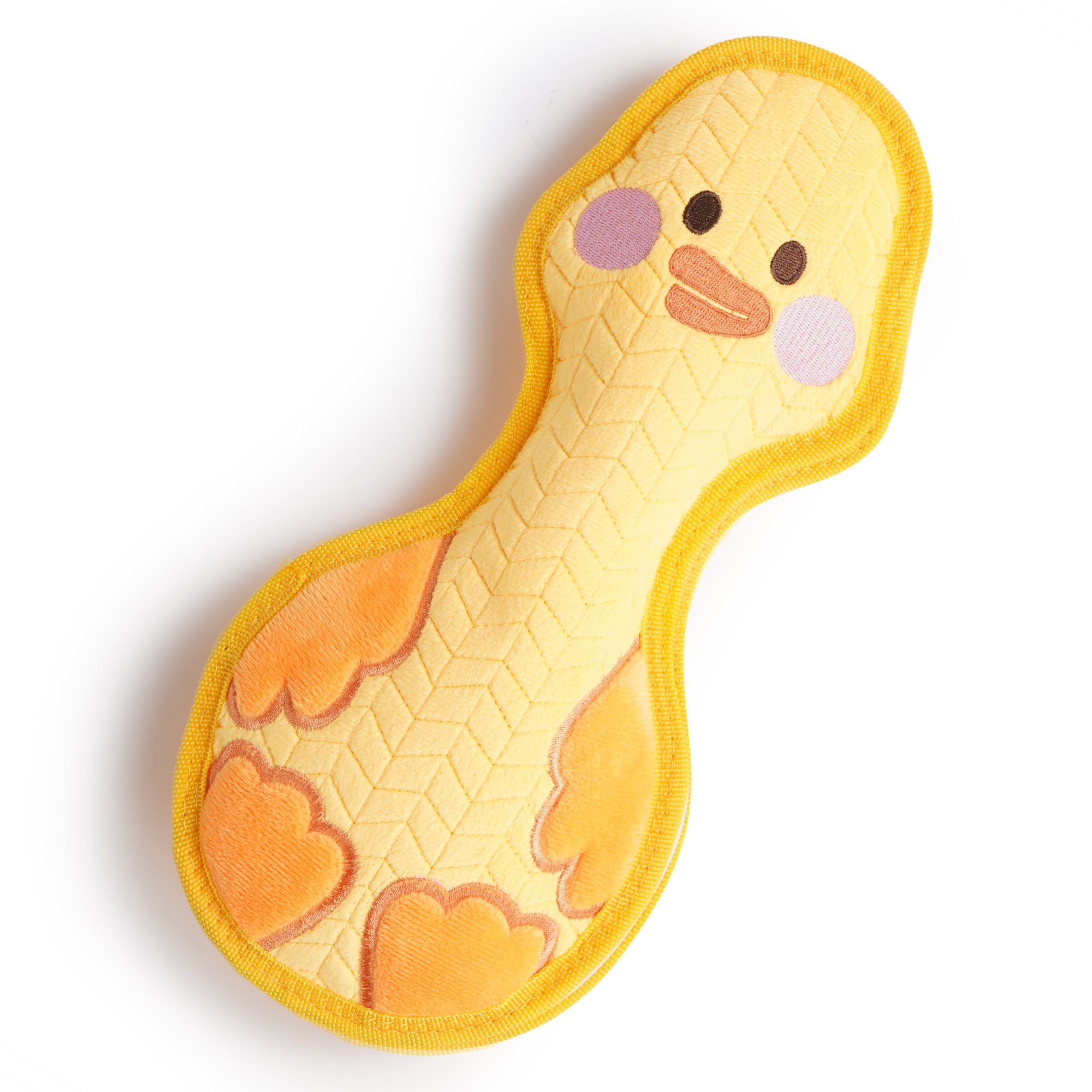
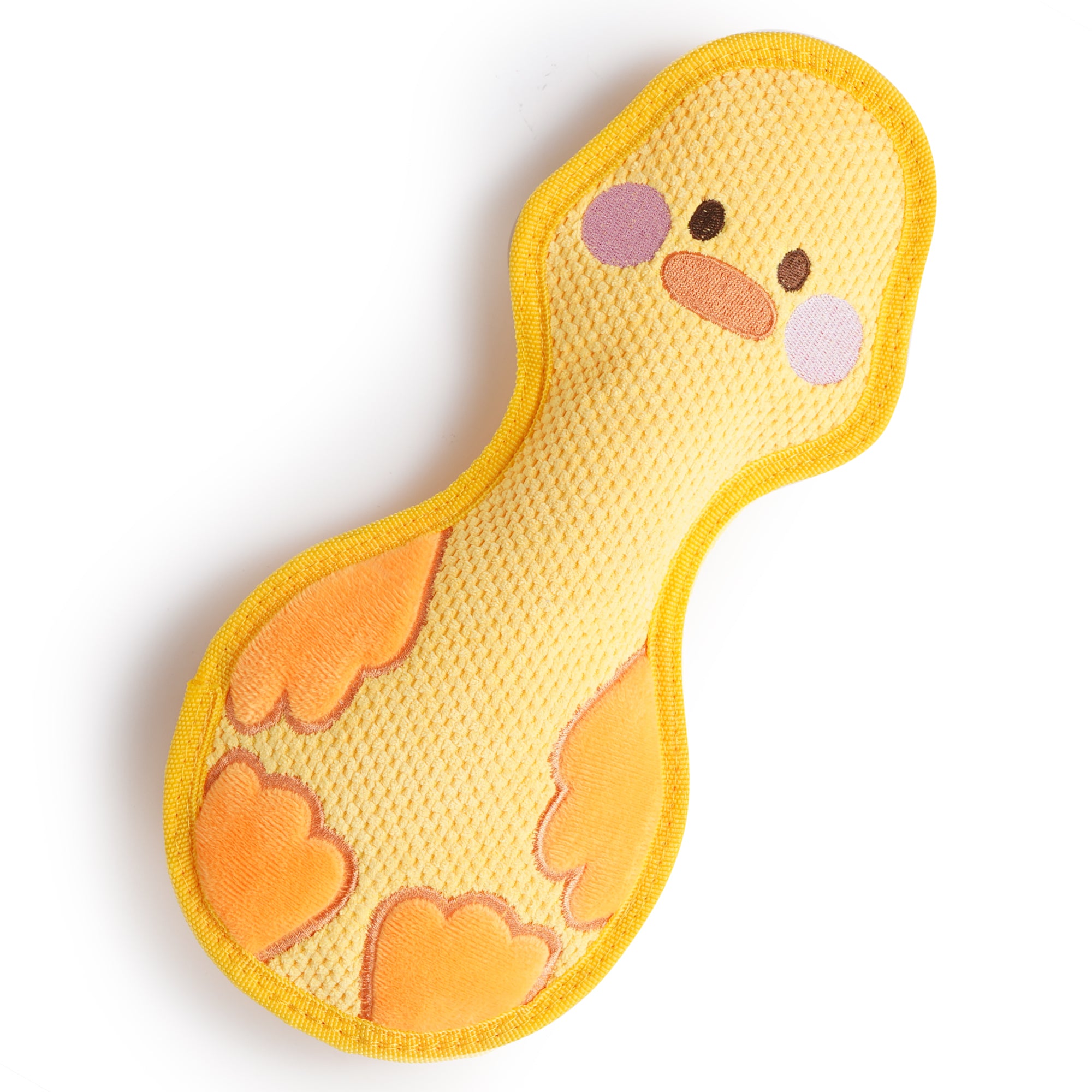
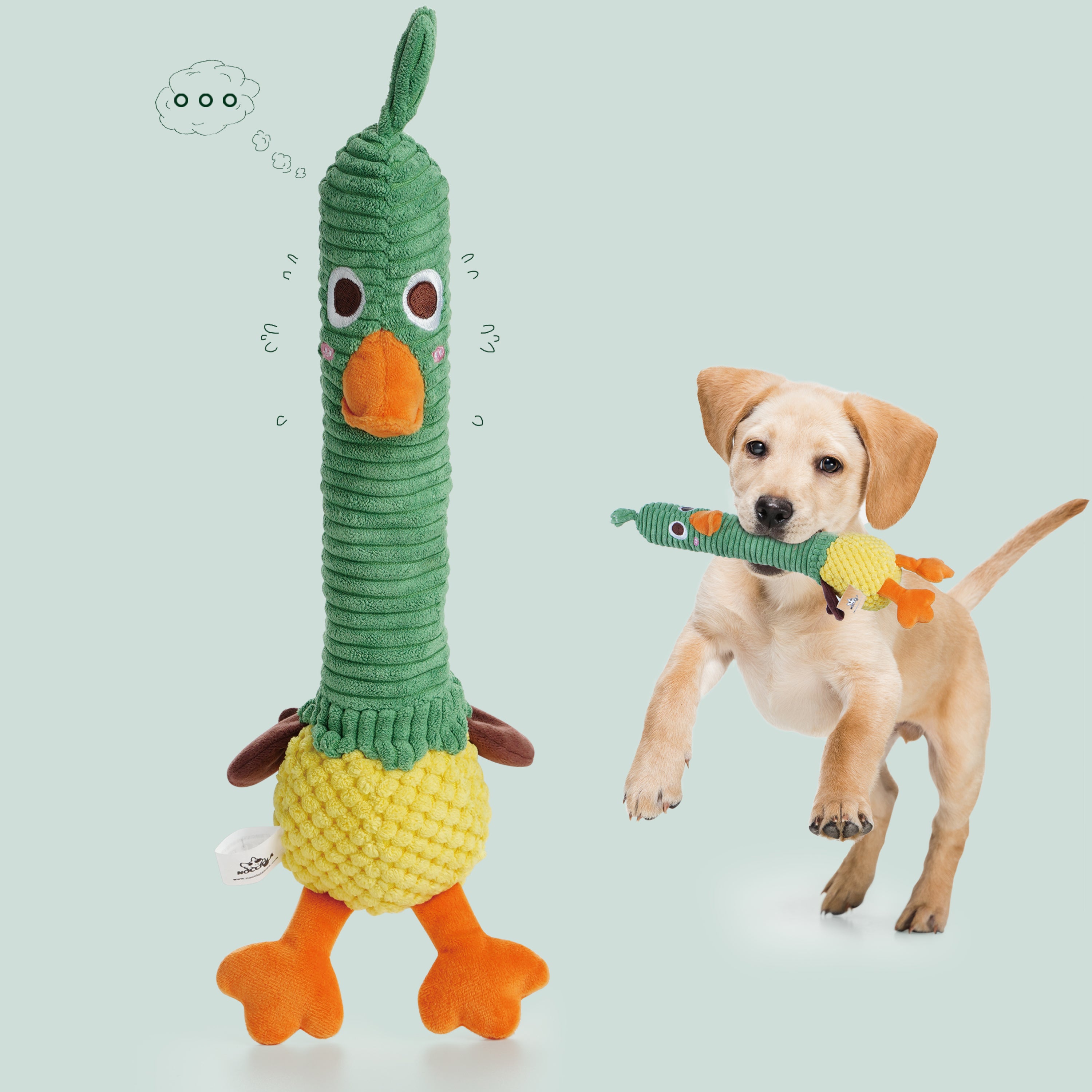
- For a dog who prefers a soft object: Offer a familiar plush if they usually handle plush toys gently. A plush is not an unattended chew option for a dog who routinely tears seams open.
- For a dog who becomes excited by sound: Save squeakers and crinkle play for another time. A quieter room and a known resting item may be more useful.
- For a dog who is not interested in toys: Do not force an activity. A bed, water, privacy, and a familiar routine are enough to make a retreat worthwhile.
Inspect every toy before and after use. Remove it if fabric splits, a squeaker becomes accessible, or your dog begins swallowing pieces. Match the toy to your dog's size and chewing style, and supervise play when a toy is new or your dog tends to destroy toys. If you are comparing plush options for a dog who chews hard, our article on choosing plush toys for chewers explains what to look at before buying.
For households with more than one dog, do not assume they will share a retreat or a food activity peacefully. Give each dog appropriate space and manage food toys separately if either dog guards resources or becomes tense around the other. Visiting dogs add another layer of unpredictability, so plan their access to rooms, toys, and meals separately.
Gate, closed room, or crate: which setup works best?
Start with your dog's response to the space. Each option offers a different balance of visibility and separation.
- A gated room lets a dog see and hear some household activity while remaining out of the crowd. It may suit a dog who settles better when they can observe from a distance. It may not suit one who watches every movement and barks for access.
- A closed room reduces visual traffic and gives guests an unmistakable boundary. It can be especially helpful when children are visiting or when a dog prefers not to watch people move about. Check that the room is comfortable and visit your dog as needed without turning the door into another source of excitement.
- A familiar crate can be a resting place within either setup if your dog already chooses it comfortably. Do not rely on it simply because it is easy for people to manage. A dog who is frightened by a crate needs a different plan.
There is no requirement that your dog stay in one arrangement all evening. If a gated room works until dinner but the meal creates too much excitement, move to a quieter room if your dog is comfortable there. Make changes based on what you observe, not on whether the setup looks festive or convenient for guests.
If your dog cannot settle, change the environment first
When a dog becomes overwhelmed, ask people to stop approaching and give the dog more distance. Lower the noise where possible, reduce the view of busy areas, and let the dog return to a familiar resting spot. Offer water and time to settle. Avoid making repeated attempts to bring them back out to prove they can handle the gathering.
Look for the trigger you can control. Did a child approach the gate? Has the music become louder? Is the dog watching guests carry food past the door? Is a visiting dog near their space? Address that problem before offering another toy. If the activity itself appears to increase excitement, remove it and let your dog rest.
Best practices that make a dog-friendly holiday easier
- Practice the setup early. Familiarity with the room, barrier, and activity matters more than unveiling a perfect new collection of toys when guests arrive.
- Keep the retreat private. Tell guests that a resting dog is not available for petting, photographs, food, or play.
- Give yourself permission to change plans. If your dog enjoys a greeting, fine. If they settle better in a quiet room, let that be the plan.
- Check toys and food activities. Choose a challenge your dog already understands, watch for damage, and do not leave an unsuitable chew item with them.
- Separate dogs around high-value items when needed. A toy that is easy to share during normal play can become contentious when food, visitors, and excitement are involved.
- Keep food and decorations out of reach. A zone works best alongside basic household management, not instead of it.
- Watch the dog, not the clock. Check in when guests arrive, the meal starts, or the noise changes. Your dog's behavior will tell you more than a rigid schedule.
One easy mistake is to offer an unfamiliar puzzle that is too difficult while everyone is busy. A dog may abandon it, paw at it roughly, or become more restless. Start with a task they can succeed at. If you are unsure how to adjust a challenge, read our guide to finding the right puzzle difficulty for your dog.
Frequently asked questions about calm play zones for holiday guests
Should my dog stay in the calm zone for the entire party?
Not necessarily. Some dogs settle best away from visitors for the whole gathering. Others may enjoy a brief, optional greeting once the entrance is quiet. Let your dog's comfort and your ability to supervise determine whether they come out. Do not make participation the goal.
Is a calm play zone the same as shutting my dog away?
It depends on how you introduce and use it. A familiar resting space with water, comfort, and protection from interruptions can give your dog a welcome break. Suddenly confining a dog in an unfamiliar space while they are already distressed is different. Practice ahead of time and watch how your dog responds.
Should guests give my dog treats to help them relax?
Guests should not feed your dog without your permission. Surprise treats can conflict with dietary needs, create crowding around the dog, or encourage people to approach a retreat that should remain private. If you use food enrichment, prepare it yourself with food you know suits your dog.
What if my dog barks behind the gate?
First, check what the dog can see and hear. If people keep passing or reaching over the gate, give your dog more privacy. A quieter room or a closed door may help more than another toy. If separation itself appears to be the problem, practice an easier setup when guests are not present and seek individualized guidance if the barking continues.
Can I leave my dog with a snuffle mat while I host?
Use a snuffle mat only in a way that suits your dog's habits. Watch how they handle it during normal use, inspect it for wear, and remove it when the food is gone if they begin chewing the fabric. A dog who tears or swallows parts of soft toys should not be left alone with a fabric food activity.
What if my dog ignores every toy once people arrive?
Do not keep switching toys in the hope that one will hold their attention. They may need more distance, fewer sounds, or time to rest. If they seem frightened or their behavior is very different from usual, prioritize a quiet space and discuss ongoing concerns with your veterinarian.
Can a puppy or senior dog use the same setup?
The basic principles are the same: a familiar resting place, water, appropriate activity, and a boundary guests respect. Adjust the space and activity to the individual dog. A puppy may need more frequent opportunities to go outside, while a senior dog may benefit from a comfortable, easy-to-reach resting spot and a less demanding food search. For more ideas, see our guide to enrichment toys for senior dogs.
What is the most important thing to prepare if guests are arriving soon?
Choose a secure, low-traffic room your dog knows, add their usual bed and water, remove hazards, and tell guests not to enter. Put your dog there before opening the front door. If there is no time to introduce a new enrichment toy, skip it. Familiarity and a respected boundary are more useful than a last-minute purchase.
A quieter celebration starts with a dependable retreat
A successful calm play zone gives your dog an alternative to managing every visitor at the door. Choose a place away from the busiest routes, make it familiar before the event, respect the boundary, and offer enrichment only when it helps your dog settle. Check in as the gathering changes, and let your dog decide how much social time they want.
We design Nocciola Toys around texture, discovery, and play that feels right for different dogs. If a familiar food-searching or soft toy belongs in your dog's holiday retreat, choose one that suits their habits, then let the quiet space do its job.